TL;DR
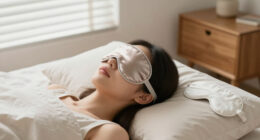
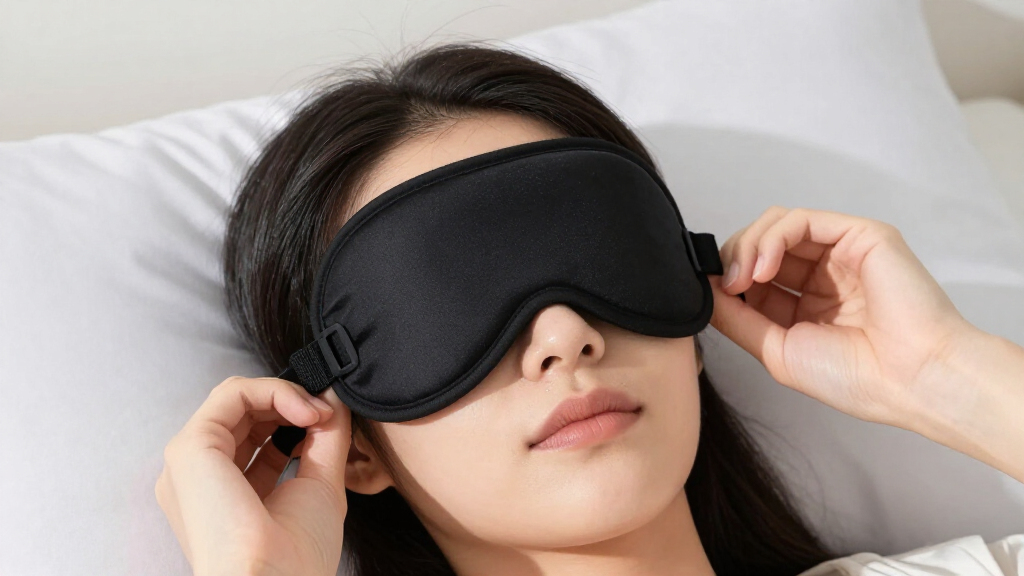
A perfect sleep mask fit blocks out light, feels comfortable, and stays in place. Proper nose sealing, adjustable straps, and gentle pressure are key to a good night’s sleep. Small adjustments make a big difference.
Ever spent a restless night fighting a light leak from your sleep mask? Or woke up with a headache because the straps pressed too tightly? A mask that fits just right isn’t a luxury — it’s the secret to truly restful sleep.
In this guide, you’ll learn how to tackle the common fit issues: nose gaps, strap adjustments, and pressure points. Small tweaks can turn a mediocre mask into your sleep’s best ally, blocking light and easing discomfort so you wake refreshed.
A tiny gap of just 2 millimeters around the nose can let in enough light to disturb sleep — sealing it improves blackout effectiveness.
Adjustable straps are your best tool; they should be snug but not cause headaches or leave marks.
Soft, flexible materials and ergonomic shapes distribute pressure evenly, preventing skin irritation.
Different face shapes and sleep positions need different mask styles — find what conforms best to you.
Small tweaks each night can turn a poorly fitting mask into your sleep’s silent partner.
Nose gaps, straps & pressure
A perfect sleep mask fit blocks light, feels comfortable and stays in place. The difference is rarely dramatic: a better nose seal, one small strap adjustment and gentler pressure can turn a mediocre mask into a reliable sleep ally.
Three variables control the night
Light leaks, slipping and soreness are connected. Tightening the strap may stop movement but worsen pressure. Loosening it may relieve a headache but reopen the nose gap. Adjust one variable at a time.
Close the smallest leak
A gap acts like a crack in blackout curtains. Contoured nose bridges, flexible foam and slight repositioning help the mask follow the face instead of hovering above it.
Best first move: shift the mask a few millimeters lower, then press gently along the nose contour.Secure without squeezing
The strap should resist slipping when you turn over without leaving deep marks. Sliders, buckles and hook-and-loop closures make small tension changes possible.
Best first move: loosen until pressure disappears, then tighten only enough to stop movement.Aim for even contact
Concentrated force at the temples, nose or eye sockets can trigger irritation and headaches. Soft padding and flexible shapes distribute force over a wider area.
Best first move: check for one painful point; reposition or add soft padding instead of tightening.Find the tension sweet spot
The ideal fit feels like uniform contact—not a vice grip. Your mask should remain stable while your facial muscles stay relaxed.
Match the mask to the sleeper
Face shape, light sensitivity and sleeping position influence which design feels natural. A strong match reduces the need for constant readjustment.
| Mask type | Best for | Seal quality | Adjustability | Comfort profile |
|---|---|---|---|---|
| Contoured / Cup | Varied face shapes and light-sensitive sleepers | ✓Excellent; molds around the nose | ✓High; flexible shape and adjustable strap | Soft padding, eye clearance and ergonomic support |
| Flat / Classic | Budget-conscious and occasional use | ~Moderate; nose leakage is more likely | ~Usually one basic strap | Highly dependent on fabric softness and breathability |
| Slim / Minimalist | Side sleepers and active sleepers | ✓Good when the nose edge is flexible | ✓Flexible straps suit movement | Low bulk reduces edge pressure against a pillow |
Fit priority: contour for blackout · slim profile for side sleeping · soft material for sensitive skin
Relative fit priorities by sleeper need
Perfect the fit tonight
Use a five-step test in the position where you actually sleep. Small, sequential adjustments make the cause of each improvement easier to identify.
Place the mask level over the eyes with the nose contour centered.
Adjust until snug, then confirm the strap is not pressing the temples.
Look toward a lamp and gently press around the nose to locate leaks.
Lie in your usual position and check for edge pressure or movement.
Reposition, loosen or add soft padding—one small change at a time.
Comfort is the real measure of fit
A good mask blocks light, stays stable and applies gentle, even pressure. It should feel present but easy to forget. If you wake with marks, pain or a shifted mask, the fit still needs adjustment.
Quick fit questions
How do I know the mask fits properly?
It blocks visible light, feels snug without pressure and remains in place when you turn over.
Can a sleep mask cause headaches?
Yes. Excessive strap tension or concentrated pressure can contribute to discomfort. Loosen it and reassess the shape.
How do I seal a gap around the nose?
Try a contoured design, reposition the mask or add a thin, soft foam strip where the leak occurs.
Are slim masks better for side sleepers?
Often. A low-profile edge is less likely to press into the face when it meets the pillow.
How a tiny nose gap ruins your blackout dreams—and how to fix it
A small gap around your nose can let in enough light to ruin your sleep, especially if you’re sensitive to even faint illumination. Think of it as a tiny crack in a window — enough to let in stray beams.
Why does this matter? Because even minimal light can interfere with your melatonin production, disrupting your sleep cycles. The implications are especially significant for shift workers or those sensitive to light, who may find that a slight leak prevents restorative deep sleep. To fix this, choose masks with contoured noses designed to mold around your face, or add a soft padding strip to enhance the seal. Gently pressing the mask closer or adjusting its position can also help close minor gaps. Remember, a better seal means less light intrusion, leading to more restful, uninterrupted sleep.
adjustable sleep mask for light blocking
As an affiliate, we earn on qualifying purchases.
As an affiliate, we earn on qualifying purchases.
Adjusting straps: the secret to a snug yet comfy fit
Straps are not just about keeping the mask in place—they directly influence how well the mask fits your face, which impacts both comfort and blackout effectiveness. Too tight, and they can cause discomfort, headaches, or even skin irritation. Too loose, and the mask may shift, creating gaps that let light in and disturb your sleep. Striking the right balance is essential because it ensures the mask stays secure without causing discomfort.
Adjustable straps, whether with Velcro, buckles, or sliders, give you the flexibility to customize this tension. For instance, if you notice the mask slipping when you turn over, tightening the straps slightly can improve stability. Conversely, if you wake up with red marks or headaches, loosening the straps is wise. Remember, the goal is a fit that feels secure but not constrictive—this balance prevents discomfort and maintains an effective seal, allowing you to move freely and sleep soundly throughout the night.
ergonomic sleep mask with nose seal
As an affiliate, we earn on qualifying purchases.
As an affiliate, we earn on qualifying purchases.
Pressure points and how to prevent headaches or skin irritation
Pressure points occur when the mask presses unevenly against your face, often leading to discomfort, skin irritation, or headaches. Excessive pressure can constrict blood flow or cause persistent marks, and over time, this can diminish sleep quality by making the mask an irritant rather than a sleep aid. Why does this matter? Because even slight variations in pressure distribution can cause wakefulness or skin damage, especially with prolonged use.
To prevent these issues, choose masks with soft, flexible materials like memory foam or padded fabrics that conform to your face shape. Proper fit is key—if the mask is too tight, it concentrates force on small areas, but if too loose, it shifts and causes friction. Regularly adjusting the straps and ensuring the mask contours naturally around your face helps distribute pressure evenly. The goal is a gentle, uniform contact that feels like a comforting hug rather than a vice grip. Doing so minimizes skin irritation and prevents headaches, promoting healthier, more restful sleep.
light blocking sleep mask with soft straps
As an affiliate, we earn on qualifying purchases.
As an affiliate, we earn on qualifying purchases.
The best masks for different face shapes and sleeping positions
Each face is unique — some are rounder, others more angular. Side sleepers need a different design than back sleepers. The key is choosing a mask that matches your face shape and sleep style.
For example, slim masks with flexible straps work well for side sleepers, who often experience more pressure on the edges of the mask. Contour masks with a snug fit around the nose tend to provide better seal and comfort for those who are light-sensitive or tend to move around during sleep. Recognizing your face shape and sleep position allows you to select a mask that minimizes gaps and pressure points, leading to fewer wake-ups and more effective blackout. The right fit reduces the need for constant adjustments and enhances overall sleep quality, especially when the mask conforms naturally to your face contours.
As an affiliate, we earn on qualifying purchases.
Comparison table: Types of sleep masks and their fit features
| Mask Type | Best For | Seal Quality | Adjustability | Comfort |
|---|---|---|---|---|
| Contoured / Cup | Varied face shapes, light sensitivity | Excellent; molds around nose for a tight seal | High; adjustable straps and flexible shape | Soft padding, ergonomic design enhances comfort |
| Flat / Classic | Budget, casual use | Moderate; may leak at the nose if not fitted properly | Basic; adjustable straps | Depends on material; softer fabrics preferred for comfort |
| Slim / Minimalist | Side sleepers, active sleepers | Good; minimal contact area reduces pressure points | Often adjustable, with flexible straps | Light, breathable materials improve comfort during movement |
Simple tips to perfect your sleep mask fit tonight
Ready to fine-tune your mask? Here’s a quick step-by-step:
- Put on your mask and adjust the straps to feel snug but not tight.
- Gently press around the nose to check for light leaks or gaps.
- If light sneaks in, add a soft foam strip or reposition the mask.
- Sleep in your usual position and see how it feels in the morning.
- Make small tweaks as needed — comfort is key.
Remember, a little trial and error can turn your sleep mask into your best bedtime buddy. Adjustments might seem minor, but they can significantly improve your sleep quality by ensuring the mask stays in place and blocks out light effectively.
Frequently Asked Questions
How do I know if my sleep mask fits properly?
It should block out all light, feel snug without pressure, and stay in place even if you toss and turn. If you feel gaps or slips, it’s time to adjust.Can a sleep mask cause headaches?
Yes, if it’s too tight or causes pressure points. Loosen the straps slightly or try a different shape to find a comfortable fit.What materials make sleep masks more comfortable?
Soft, breathable fabrics like silk, velour, or memory foam padding help distribute pressure evenly and prevent irritation.How do I seal gaps around my nose?
Choose masks with contouring around the nose or add gentle padding. Sometimes, a bit of tape or foam strips can make a big difference.Are slim masks better for side sleepers?
Yes, slim or minimal masks with flexible straps often fit better for side sleepers, reducing pressure and preventing light leaks.Conclusion
Getting your sleep mask to fit just right isn’t about perfection — it’s about comfort. A snug seal around the nose, the right strap tension, and gentle pressure make all the difference between restless nights and peaceful sleep.
Next time you slip on your mask, take a moment to adjust and feel the difference. Your best sleep might just depend on a tiny tweak.