
TL;DR

Get wellness gear delivered free — and shop member deals
- Fast, free delivery on millions of items
- Access to Prime Big Deal Days deals on October 6–7
- Prime Video, Amazon Music and more included
East-facing windows get direct morning sun, making darkening tricky. Combining blackout curtains with external shades or smart films offers effective control. Multiple layers are key for total darkness.
Imagine waking up with the early sun streaming directly into your east-facing window. Bright, warm light floods the room, making it tough to sleep or relax. But what if you could block that light completely, no matter how fierce the morning sun is?
In this guide, you’ll learn why east-facing windows pose unique challenges and how smart, practical solutions can help you darken your space effectively. Whether you’re a shift worker, a parent needing nap time, or someone just craving a dark room for movie nights, these tips will make your mornings and evenings much more manageable.
Combining multiple window treatments—like blackout curtains with external shades—yields the best darkness during morning hours.
External shading devices can prevent sunlight from ever hitting the window, reducing the need for internal blackout solutions.
Motorized blinds and smart glass offer convenient, automated control for different times of the day and seasons.
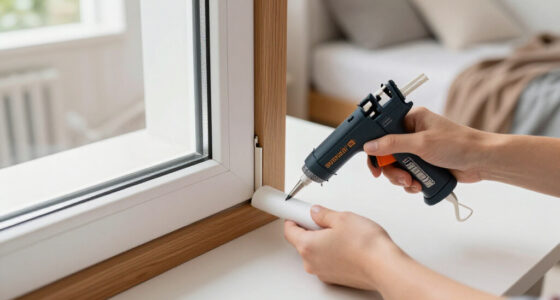
Sealing gaps around the window frame is crucial to prevent light leaks that compromise darkness.
Choosing the right solution depends on your priorities: total darkness, insulation, convenience, or budget.
Why East-Facing Windows Are Hard to Darken and What That Means for You
East-facing windows catch direct sunlight mainly in the first few hours after sunrise. That means bright, golden rays flood your room in the early morning, but after that, the light diminishes. This pattern makes it tricky to block all that intense morning sun using standard curtains.
Imagine trying to cover a window with a thin sheet of paper during a sunrise—some light slips through. That’s why simple blinds or lightweight curtains often fall short for east-facing windows. To truly darken the room, you need solutions designed for that powerful, low-angle morning sun. Understanding this pattern is crucial because it influences your choice of window treatments. For instance, lightweight curtains might work during overcast days or later in the morning, but during those early hours, they won’t prevent the sun’s rays from entering. The tradeoff here is between convenience and effectiveness. Heavier, more insulative solutions might be less convenient to operate but are necessary if you want consistent darkness during those critical morning hours. Recognizing this helps prevent frustration and ensures you select the right combination of treatments, like layered shading, to achieve your desired darkness and comfort.
blackout curtains for east-facing windows
As an affiliate, we earn on qualifying purchases.
As an affiliate, we earn on qualifying purchases.
The Best Window Coverings for Blocking Morning Sunlight
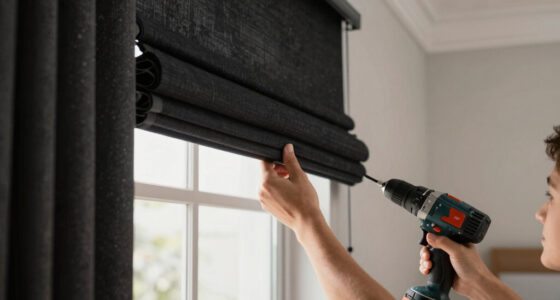
When it comes to darkening east-facing windows, some options stand out. Blackout curtains and drapes made of dense, opaque fabrics can block most light. Motorized blinds give you control at the push of a button, perfect for scheduling or remote operation, especially if you’re not always nearby.
Cellular shades are another excellent choice—they trap air and block light efficiently. For the tech-savvy, smart glass or electrochromic windows can tint or darken electronically, offering a sleek, modern solution.
For example, a bedroom with a large east-facing window installed with blackout curtains and motorized shades can be nearly completely dark in just seconds, even during the brightest mornings.
However, it’s important to understand that each of these options has tradeoffs. Blackout curtains, while effective, may add to the room’s insulation needs if not properly designed, potentially affecting temperature regulation. Motorized blinds offer convenience but come with higher costs and potential maintenance. Cellular shades provide insulation benefits but might require precise installation to avoid light leaks. When choosing, consider how these tradeoffs align with your priorities—whether it’s achieving maximum darkness, energy efficiency, or ease of use. Combining multiple options often yields the best results, such as pairing blackout curtains with external shading devices for comprehensive control over morning light.
external window shades for sunlight blocking
As an affiliate, we earn on qualifying purchases.
As an affiliate, we earn on qualifying purchases.
How to Use External Shading Devices to Block Morning Sun
- Identify the sun’s path during morning hours—usually between 6 and 9 a.m. This knowledge helps you determine the optimal angle and type of external shading needed.
- Install external shading devices like awnings, shutters, or external blinds above your window, angled intentionally to block direct sunlight during these hours. Proper placement and angle are critical because they prevent sunlight from entering before it even reaches your interior space, reducing the load on internal treatments.
- Adjust or close these shades before sunrise for maximum effect. Doing so proactively prevents the sun’s rays from penetrating, which is especially important during summer when the sun’s angle is higher.
- Combine external shades with indoor blackout curtains for even better darkness. This layered approach ensures that if some light manages to slip through one layer, the other will catch it.
- Regularly check and adjust external shades to match seasonal sun angles—summer and winter need different setups. For example, a shade that blocks summer sun might need repositioning in winter to account for the lower sun angle, maintaining consistent darkness year-round.
For instance, a homeowner installed a retractable awning above their east window. Opening it 30 minutes before sunrise effectively prevented sunlight from ever hitting the glass, keeping the room dark and cool all morning. This proactive approach minimizes the need for interior treatments and can significantly reduce energy costs by preventing heat gain early in the day.
As an affiliate, we earn on qualifying purchases.
Frequently Asked Questions
Can I completely block the morning sun from an east-facing window?
Yes. Use heavy blackout curtains combined with external shading devices like awnings or shutters. For maximum control, consider motorized blinds or smart glass that can be scheduled or remotely controlled.Will blackout curtains make my room too hot or cold?
High-quality blackout fabrics often have insulating properties, helping to keep your room warmer in winter and cooler in summer. External shades can also reduce heat transfer from direct sunlight.Are motorized blinds worth the extra cost?
If convenience and automation matter to you—especially for early mornings or irregular schedules—motorized blinds provide effortless control. They also help maintain consistent darkness compared to manual options.What’s the best way to prevent light leaks around the edges?
Seal gaps with weatherstripping or draft stoppers around the window frame. Using blackout curtains with deep hems or magnetic edges can also help block light seepage.Are there eco-friendly options for darkening east windows?
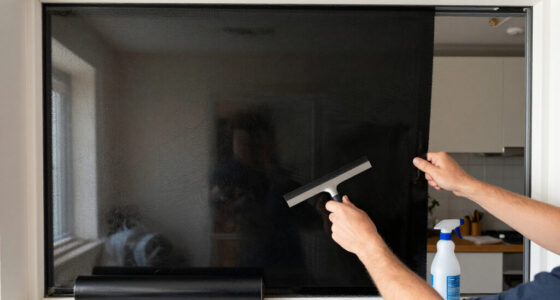
Yes. Cellular shades with eco-friendly fabrics and reflective window films that reduce heat gain are good choices. They help you darken your room while minimizing environmental impact.smart window film for total darkness
As an affiliate, we earn on qualifying purchases.
As an affiliate, we earn on qualifying purchases.
Conclusion
Darkening an east-facing window isn’t just about shutting a curtain. It’s about layering solutions—external shades, blackout fabrics, smart technology—that work together. The more you combine, the better your chances of creating a truly dark, restful space.
Remember, a well-blocked sunrise means better sleep, fewer glare issues, and more control over your environment. Imagine waking up in a room as dark as night, no matter how fierce the morning sun is outside.
Fall Picks
fall essentials
As an affiliate, we earn on qualifying purchases.