TL;DR
Open a free Amazon Business account
Business pricing, bulk buying and tax-exempt orders.
Create a free accountAs an affiliate, we earn on qualifying purchases.
Alarm sounds vary from harsh beeps to soothing nature sounds. The right choice depends on your sleep habits and preferences, with recent tech offering more personalized options for waking up gently or loudly.
Imagine waking up to a blaring beep that jolts you awake—or slipping into a gentle symphony of bird songs that eases you out of sleep. The sound your alarm makes isn’t just noise; it shapes how you start your day. Choosing the right alarm sound can mean the difference between groggy frustration and a fresh, energized morning.
In this guide, you’ll explore four common types of alarm sounds—beeps, music, voice, and nature—and see how they stack up in effectiveness, mood, and sleep quality. Whether you’re a heavy sleeper, a kid needing a gentle nudge, or someone who wants to wake up refreshed, understanding these options can help you pick the perfect wake-up tune.
Loud, abrupt beeps are effective for heavy sleepers but can cause morning stress.
Gentle music and nature sounds promote a calmer transition but may need volume adjustments to wake heavy sleepers.
Personalized voice alarms can boost alertness and mood, especially when tailored with motivational messages.
Smart alarm features that track sleep stages improve waking efficiency and reduce grogginess.
Experiment with different sounds and use technology to customize your wake-up experience for a better morning.
Why Beep Alarms Still Command Attention—And When They Fail
Beep alarms are the classic, high-pitched tones everyone recognizes. They’re loud, sharp, and designed to snap you out of sleep immediately. Think of that relentless, piercing sound that cuts through a fog of sleep—perfect for heavy sleepers or those who struggle to wake up.
For example, a parent setting an alarm for a kid’s early morning sports practice might opt for a beeping alarm to ensure they get up on time. But the downside? Sudden loud noises can cause a jarring wake-up, leading to grogginess or even stress. If your sleep is deep or you’re a heavy sleeper, a beeping alarm often does the job—though it can leave you feeling disoriented.
Yet, these alarms aren’t foolproof. Some people start tuning them out, especially if they’re used to the same sound every morning. The abruptness can also spike your stress levels, making mornings less calm than they could be. Over time, the effectiveness of beeping alarms diminishes because the brain begins to associate the sound with stress or annoyance, reducing their wake-up potency. The tradeoff here is between immediate alertness and potential morning anxiety or habituation, which can lead to oversleeping or delayed waking if the alarm isn’t sufficiently loud or persistent.
As an affiliate, we earn on qualifying purchases.
Why Music and Melodies Make Waking Up More Pleasant
Music alarms turn waking into a more enjoyable experience. Instead of a sudden jolt, you wake gradually to a favorite song, soothing melody, or gentle instrumental. Think of waking up with the soft strum of a guitar or the calming sounds of a piano piece—music that feels like an embrace rather than a slap.
Many people find that music alarms help reduce morning stress. For example, waking up to a tune from a favorite artist can boost your mood and make you more eager to start the day. But there’s a catch: if the music is too soft or slow, it might not rouse heavy sleepers, risking you oversleeping. The effectiveness hinges on the familiarity and tempo of the music—familiar melodies can trigger positive associations and easier waking, while unfamiliar or overly relaxing tunes might cause you to drift back into sleep.
Research suggests that gradual volume increase and familiar melodies can promote a smoother transition from sleep to wakefulness. This approach leverages the brain’s preference for predictability and comfort, making mornings less abrupt. However, the tradeoff is that music alarms might not be suitable for those who need a more vigorous wake-up cue, as the subtlety can sometimes result in sleepy eyes and delayed readiness. The key is balancing melody, volume, and personal preference to optimize both mood and effectiveness.
smart alarm clock with sleep tracking
As an affiliate, we earn on qualifying purchases.
As an affiliate, we earn on qualifying purchases.
Voice Alarms: Personal Touch That Gets You Moving
Voice alarms speak directly to you—sometimes with your name, a motivational message, or a personalized reminder. Imagine hearing, ‘Good morning, it’s time to get up!’—a friendly nudge that feels more human than a machine.
Voice alarms can be highly effective because they engage your brain differently. For example, a teacher setting a voice alarm might record a message saying, ‘Time to wake up, class starts in 30 minutes!’ This personal touch can boost alertness and even lift your mood. The familiarity and human element tap into emotional responses that pure sounds can’t evoke, making waking up feel less like an interruption and more like a gentle invitation.
However, the tone and content matter. An alarm that sounds too harsh or impersonal might cause annoyance or stress, especially first thing in the morning. Conversely, a warm, encouraging voice can make mornings feel more positive, especially for kids or seniors who appreciate a familiar voice. The implication is that personalized voice alarms can be tailored to individual preferences, enhancing wakefulness and mood. The tradeoff is that poorly chosen messages or overly loud recordings can backfire, causing irritation instead of motivation. The growing availability of customizable voice options in smart alarms emphasizes the importance of personal connection in establishing a positive morning routine.
alarm clock with customizable voice alerts
As an affiliate, we earn on qualifying purchases.
As an affiliate, we earn on qualifying purchases.
Nature Sounds: Calm and Gentle—Or Not Quite Enough?
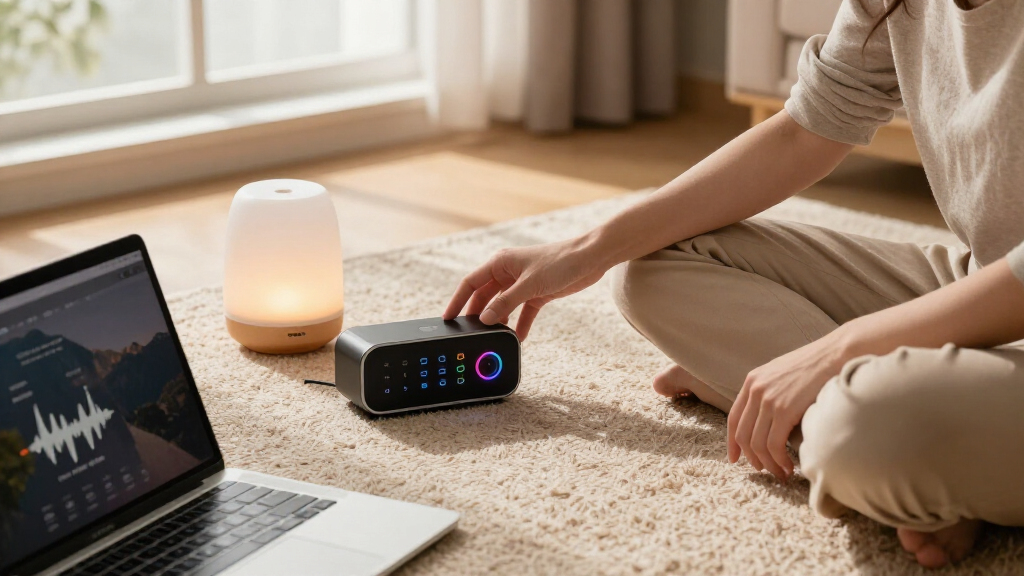
Nature sounds—like birdsong, ocean waves, or rain—are designed to create a peaceful wake-up experience. They mimic the sounds of the outdoors, helping you emerge from sleep more calmly. Imagine opening your eyes to the gentle patter of rain or the distant call of morning birds—sounds that soothe rather than shock.
For example, many smart alarm clocks feature nature soundscapes, promising a serene start to the day. These sounds are especially popular among people who suffer from anxiety or stress, as they promote relaxation and reduce morning tension. The calming effect can help set a positive tone for the day, encouraging a more mindful and stress-free mindset upon waking.
But here’s the catch: for heavy sleepers or those with loud snoring, nature sounds might not be loud enough to wake them reliably. They’re ideal for a gentle awakening but may need to be paired with a volume boost or a gradual increase to be effective. The implication is that while nature sounds foster relaxation and reduce morning stress, they require a balance of volume and timing to serve as a reliable wake-up cue for different sleep types. The tradeoff involves ensuring enough volume and persistence without sacrificing the calming benefits, which is why some users prefer combining natural sounds with other cues for optimal wakefulness.
As an affiliate, we earn on qualifying purchases.
How Do These Alarm Sounds Compare? A Quick Side-by-Side
| Feature | Beep Alarms | Music Alarms | Voice Alarms | Nature Sounds |
|---|---|---|---|---|
| Effectiveness for Heavy Sleepers | High | Moderate | Moderate | Low (unless loud enough) |
| Gentleness | Low | High | High | Very High |
| Mood Impact | Stressful | Positive, uplifting | Personal, motivating | Calming, relaxing |
| Suitability for Kids | Good, but harsh | Good, pleasant | Excellent, personalized | Excellent, soothing |
| Best For Light Sleepers | Not ideal | Yes | Yes | Yes (with volume control) |
What’s New? How Technology Makes Waking Up Easier
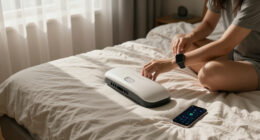
Modern alarm clocks and apps now use smart tech to make mornings less stressful. Some wake you during light sleep stages, reducing grogginess. Others adapt sounds and volume based on your sleep patterns—like a personal coach for mornings.
For example, apps that sync with sleep trackers can gently raise volume or switch to more energizing sounds when they detect you’re in deep sleep. AI-powered alarms analyze your sleep cycle and choose the best moment to wake you, often resulting in a more refreshed start.
Innovations like binaural beats or ambient soundscapes are also gaining popularity, offering a more natural, less abrupt way to wake up. These advances aim to turn mornings from a jarring experience into a gentle, positive transition.
Which Alarm Sound Works Best for You? Find Your Perfect Match
The best alarm sound depends on your sleep style and personal preferences. Heavy sleepers might need loud beeps or vibrating alarms. Light sleepers or those who wake easily may prefer gentle nature sounds or music.
If you want to start your day energized, choose lively music or a motivating voice message. For a relaxed morning, natural sounds or soft melodies are ideal. And if you’re sensitive to abrupt noises, consider alarms that gradually increase volume or use personalized sounds.
Experiment with different options. Maybe try a week with nature sounds, then switch to music, and see what feels best. Use smart alarms with customizable settings to fine-tune your experience.
Frequently Asked Questions
Which alarm sound is best for heavy sleepers?
Loud, high-pitched beeps or alarms with vibrating features tend to wake heavy sleepers effectively. However, pairing loud alarms with smart tech that detects sleep stages can improve wake-up success.Are natural sounds or music better for waking up?
Natural sounds and music are gentler and can promote a peaceful, stress-free wake-up. Effectiveness depends on volume and personal preference—some need a louder cue to get moving.Can personalized voice alarms improve waking experience?
Yes, voice alarms with familiar or motivating messages can make waking up more positive and engaging, especially for kids and seniors who benefit from a personal touch.Do smart alarms that track sleep stages work better?
Many users find that alarms synchronized with light sleep stages reduce grogginess and help them feel more refreshed. These alarms wake you during lighter sleep, making mornings easier.What are the health benefits of choosing certain alarm sounds?
Gentle, gradual sounds can lower morning stress and improve overall sleep quality, contributing to better mood and health over time. Avoiding sudden loud noises helps prevent disorientation and stress.Conclusion
Choosing the right alarm sound isn’t just about loudness; it’s about how you wake up—calmly or abruptly. Whether you prefer the sharp clarity of beeps, the soothing embrace of nature, or the personal touch of a voice message, your morning routine can become a lot more pleasant.
Remember, a gentle start sets the tone for a better day. Try different sounds, leverage new tech, and find what helps you greet each morning with energy and calm. After all, mornings are your first impression—make it a good one.
Flea & tick season Picks
flea and tick prevention
As an affiliate, we earn on qualifying purchases.