
TL;DR
Listen free for 30 days with Audible
Thousands of audiobooks and originals — cancel anytime.
Start your free trialAs an affiliate, we earn on qualifying purchases.
Rotating shift work disrupts your body’s natural rhythm, but you can still anchor sleep by establishing routines, optimizing your environment, and managing light exposure. These strategies help mitigate fatigue and health risks, making your schedule more manageable.
Imagine trying to sleep when the sun’s shining, your body’s telling you to stay awake, and your schedule keeps shifting. It’s a common nightmare for shift workers—those who rotate between day, evening, and night shifts. The good news? You can create anchors for your sleep, no matter how unpredictable your schedule gets.
In this guide, you’ll learn simple yet effective ways to keep your sleep consistent, even when your work hours aren’t. From tweaking your environment to managing light and naps, these tips are designed to fit your busy, irregular life.
Stick to a consistent pre-sleep routine to signal your body it’s time to rest, even when your schedule shifts.
Create a dark, cool, quiet sleep environment—use blackout curtains, white noise, and temperature control.
Manage your light exposure actively: wear sunglasses during morning commutes and block out light during sleep times.
Use short naps strategically—20-30 minutes during natural dips in alertness to recharge.
Leverage technology like sleep trackers and light therapy to support your circadian adaptation.
Field guide / circadian resilience
Rotating Shift Survival: Anchoring Sleep When Your Schedule Won’t
Your roster may keep moving, but your sleep cues do not have to. Build a repeatable sequence around darkness, temperature, light, naps and wind-down habits to give your body a reliable path into rest.
10–20%
Night workers affected by shift work disorder
20–30
Minutes in a strategic power nap
1–2 hr
Target range for a stable sleep window
18–20°C
Sleep-supportive room temperature
01 / Know the conflict
Why rotation hits harder than a late night
Your circadian rhythm expects predictable patterns. Rapid changes between day, evening and night work create a mismatch between the time your job demands alertness and the time your biology expects sleep.
Clock signal
Light says “wake”
Morning sunlight during the commute home can suppress the body’s sleep signal just when a night worker needs to wind down.
Performance
Alertness drops
Circadian lows and accumulated sleep loss can impair vigilance, mood and judgment during demanding hours.
Long-term load
Health strain builds
Chronic disruption is associated with cardiovascular, metabolic and mental-health risks, making recovery a safety practice—not a luxury.
02 / Build the anchor
Keep the sequence stable when the clock changes
An anchor is a chain of repeatable cues. The exact bedtime may move, but the order stays familiar enough to tell the brain that the active period is ending.
Reduce bright and blue-heavy light near the end of the shift.
Repeat one calm cue: shower, music, reading or breathing.
Prepare a room near 18–20°C with stable airflow.
Remove daylight and mute household or street noise.
Reserve the bed for sleep and defend the recovery window.
Aim to keep your core sleep window within a narrow range whenever the roster allows. When timing must change, preserve the same pre-sleep sequence and environment.
03 / Control the room
Make daytime sleep feel biologically plausible
Environmental consistency reduces the work your brain must do to interpret whether it is time to rest. Start with darkness, sound and temperature before adding more technology.
Black out the light
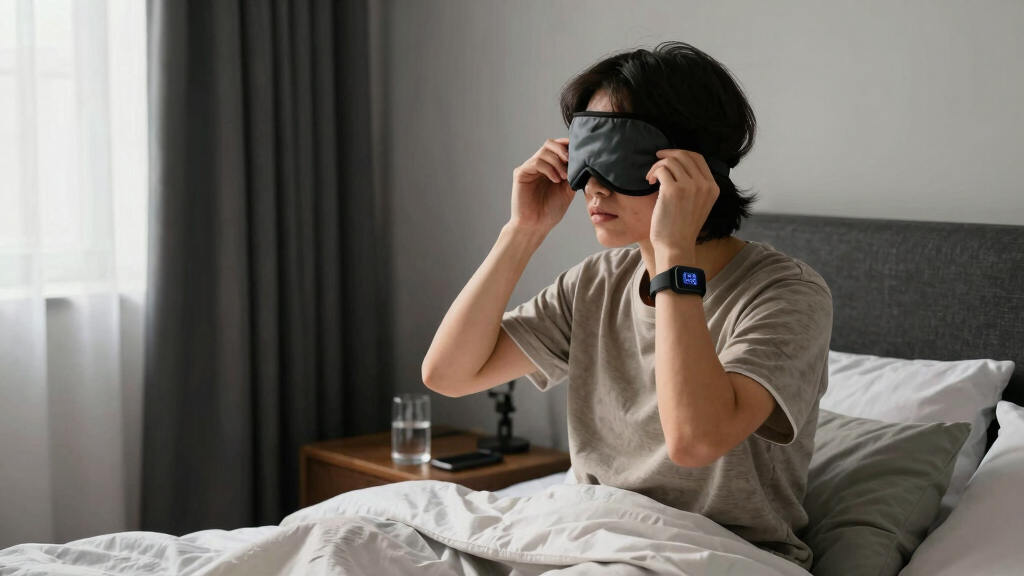
Use blackout curtains, a fitted eye mask and covered device LEDs.
Mask unpredictable noise
Combine earplugs with steady white noise or a quiet fan.
Lower the temperature
Keep the bedroom cool, breathable and consistent across shifts.
Remove wakeful activities
Keep work email, meals and entertainment out of the bed.
Sleep-cue control panel
Relative priority for creating a dependable recovery environment.
04 / Time the interventions
What to use—and when
The same tool can help or hinder depending on timing. Use light to support alertness, darkness to protect sleep and short naps to bridge predictable energy dips.
| Intervention | Best timing | Target effect | Avoid |
|---|---|---|---|
| Bright light | During the alert phase or early night shift | Support wakefulness and circadian adaptation | Strong exposure just before planned sleep |
| Dark glasses | Morning commute after a night shift | Reduce the morning “wake up” signal | Wearing lenses that make driving unsafe |
| Power nap | Natural alertness dip or before a demanding shift | Restore vigilance with minimal grogginess | Naps much longer than 30 minutes near main sleep |
| Caffeine | Early in the active period | Temporary alertness support | Use close to the protected sleep window |
| Wearable data | Review trends across several shifts | Reveal patterns in timing and continuity | Treating one score as a medical diagnosis |
05 / Three-shift protocol
Adapt the same principles to every roster
The clock changes, but the operating logic remains: seek useful light while alert, limit disruptive light before sleep and preserve a recognizable wind-down sequence.
Day shift
Protect the evening
Use morning light to reinforce wakefulness. Keep caffeine early, wind down consistently and avoid sacrificing sleep for late-night tasks.
Evening shift
Create a soft landing
Dim lights after work, choose a light meal and repeat a short calming routine rather than carrying workplace stimulation into bed.
Night shift
Defend the morning
Use bright light strategically at work, reduce morning exposure on the way home and move directly into a dark, cool recovery space.
The survival chain
Anchor the cues, not just the clock.
The practical goal: reduce the mismatch between your internal rhythm and external schedule. A consistent wind-down, controlled bedroom, deliberate light exposure and 20–30 minute naps can make rotating work more manageable. If persistent insomnia or severe sleepiness affects safety, seek guidance from a qualified healthcare professional.
Why Your Body Struggles with Rotating Shifts (And How to Beat It)
Your body relies on a natural clock—your circadian rhythm—that loves predictability. When you rotate shifts, especially quickly, your internal clock gets confused. This confusion isn’t just about feeling tired; it affects your overall health and performance. Disrupted circadian rhythms can lead to decreased alertness during work, impaired judgment, and increased risk for long-term health problems like heart disease or metabolic issues. Recognizing this helps you understand that your body’s resistance isn’t willful but rooted in biology, making strategic habits essential.
For example, a nurse working a rotating schedule might find herself wide awake during the night and dead tired during the day. This constant tug-of-war can lead to sleep deprivation, mood swings, and even health issues like increased blood pressure. These consequences highlight why managing shift work is not just about getting enough sleep but about aligning your routines with your biological needs.
But understanding this struggle is the first step. Once you see how your body reacts to change, you can start to outsmart it with strategic habits and environmental tweaks. The goal is to reduce the mismatch between your internal clock and your external schedule, which can significantly improve your alertness, mood, and long-term health.
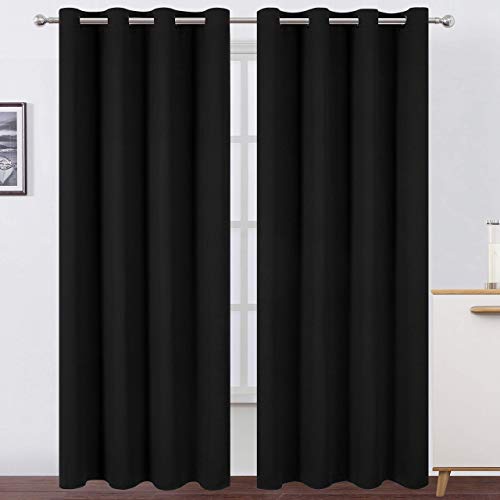
LEMOMO Blackout Curtains 52 x 84 inches Long Black Curtains Set of 2 Panels Thermal Insulated Room Darkening Curtains for Bedroom
- Material: 100% polyester, durable and soft
- Package Includes: Set of 2 panels, 52×84 inches each
- Grommets: 8 silver grommets per panel
As an affiliate, we earn on qualifying purchases.
As an affiliate, we earn on qualifying purchases.
Anchor Your Sleep with a Consistent Routine (Even When Your Schedule Changes)
Consistency is your best friend. Even if your work hours shift, creating a sleep routine that signals your brain it’s time to rest is crucial. This routine acts as a mental cue, helping your body transition from wakefulness to sleep despite irregular schedules. The tradeoff is that rigid routines can be challenging to maintain with unpredictable hours, but even small, repeated cues can reinforce your sleep signals over time.
For example, a factory worker on a rotating schedule might shower, read a chapter of a book, or listen to calming music every night. Doing these activities at the same approximate time—regardless of when they finish work—helps your brain associate these cues with sleep. Over time, this association can make falling asleep easier, even if the exact sleep time varies.
Try to keep your sleep window within a 1-2 hour range, even if the start time varies. This consistency helps stabilize your circadian rhythm, reducing fatigue and improving sleep quality. The tradeoff is that flexibility may still be necessary, but the more you can keep your sleep environment and pre-sleep activities consistent, the more your body can adapt, leading to better rest and recovery.
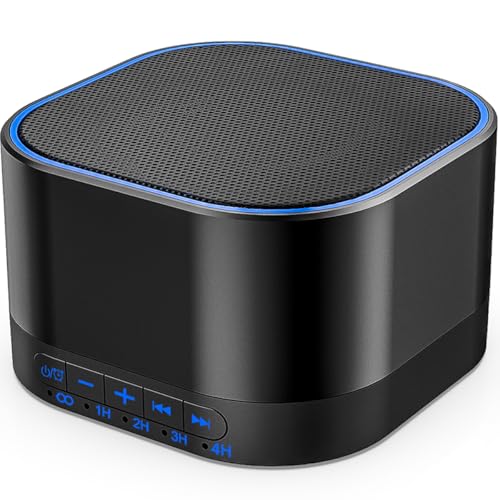
Magicteam Sound White Noise Machine with 20 Non Looping Natural Soothing Sounds and Memory Function 32 Levels of Volume Powered by AC or USB and Sleep Sound Timer Therapy for Baby Kids Adults
- 20 Non-Looping Soothing Sounds: Includes white, brown, pink, blue noise, and nature sounds
- Adjustable Volume and Timer: 32 volume levels and multiple timer options
- Portable and Compact Design: Small size for home, office, or travel
As an affiliate, we earn on qualifying purchases.
As an affiliate, we earn on qualifying purchases.
Create a Sleep-Friendly Environment That Sends a Clear Signal
Your surroundings speak volumes. A dark, cool, and quiet space acts as a magnet for sleep. When your schedule demands daytime sleep, blocking out the sun with blackout curtains or an eye mask is essential. Use earplugs or white noise machines to mute daytime sounds, which can otherwise fragment your sleep and reduce its restorative quality. The environment’s consistency helps your brain recognize sleep cues, even if your schedule varies.
Imagine a night-shift worker returning home at 7 a.m., stepping into a bedroom painted in deep navy, with a fan humming softly in the corner. The cool, dark setting tells the brain it’s night, helping you fall asleep faster and stay asleep longer. The tradeoff is that maintaining an ideal environment may require extra effort or investment, but the payoff is a more reliable sleep pattern that supports your health and alertness.
Every detail counts. Keep the room temperature around 65-68°F (18-20°C), and reserve your bed for sleep only—no work emails or TV shows. This association strengthens sleep cues and reduces the likelihood of your brain getting confused by other activities in your sleep space.

Google Fitbit Inspire 3 – Midnight Zen/Black – Small and Large Bands
- Energy and motivation tracker: Helps you find energy and stay motivated
- Device compatibility: Compatible with iOS 16.4+ and Android 11.0+
- Comprehensive activity tracking: Includes Daily Readiness, Active Zone Minutes, and more
As an affiliate, we earn on qualifying purchases.
As an affiliate, we earn on qualifying purchases.
Smart Napping: How Short Breaks Can Recharge You
Short naps can serve as powerful reset buttons for your alertness. A quick 20-30 minute snooze can significantly boost your mental clarity, mood, and physical energy, especially during long stretches between shifts. The key is timing: napping when your natural energy dips—often mid-afternoon or early evening—aligns with your body’s circadian lows, making the nap more effective.
For example, a security guard catching a power nap during a quiet shift can prevent the typical mid-shift slump, maintaining vigilance and reducing mistakes. The tradeoff is that naps taken too late or too long can interfere with your main sleep, leading to difficulty falling asleep later. Finding the optimal window and duration is crucial for maximizing benefits without disrupting your overall sleep pattern.
To get the most out of your naps, find a cozy, quiet spot, set an alarm, and avoid oversleeping. Over-napping can cause sleep inertia—a groggy feeling—and disrupt your main sleep cycle, especially if you’re already sleep-deprived. Strategic napping, when timed correctly, becomes a valuable tool to maintain performance and well-being in a rotating schedule.
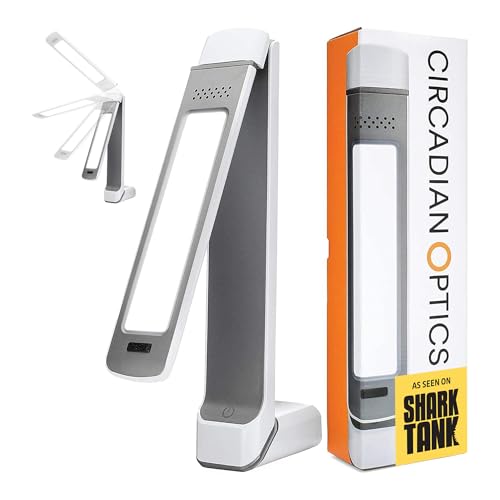
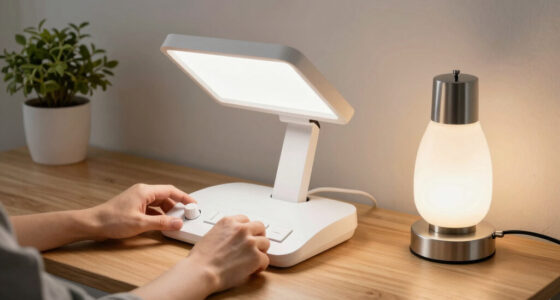
Circadian Optics Lumos 10,000 Lux Light Therapy Lamp | Seen On Shark Tank
- Impressive Brightness: 10,000 LUX light mimics noon sun
- Adjustable Light Panel: 270-degree rotating for customizable angles
- Stable, Flexible Design: Weighted base for easy angling and stability
As an affiliate, we earn on qualifying purchases.
As an affiliate, we earn on qualifying purchases.
Manage Light Exposure to Reset Your Internal Clock
Light is the most potent cue for your circadian rhythm. Bright light in the evening can delay your internal clock, making it harder to fall asleep at your desired time, while darkness signals your body to prepare for sleep. For night-shift workers, managing light exposure is a balancing act—using it to stay alert during work and blocking it out when it’s time to sleep.
For instance, a nurse finishing a night shift might wear dark glasses on the drive home to prevent early morning light from signaling wakefulness. Once home, turning on bright lights or using a light therapy lamp can help reset your internal clock for the upcoming night shift. Conversely, during daytime sleep, blackout curtains and eye masks reinforce darkness, aiding sleep onset and maintenance.
The importance of this practice lies in its ability to accelerate adaptation to shift work and reduce the internal conflict caused by inconsistent light cues. The tradeoff is that improper light management can prolong circadian misalignment, leading to poorer sleep and increased health risks. Mastering light exposure helps your body adjust more smoothly, improving alertness during work and quality of rest during sleep.
Lifestyle Tweaks to Support Better Sleep (Caffeine, Food, Exercise)
Your habits outside work have a profound impact on your sleep quality. Limiting caffeine after 2 p.m. prevents it from interfering with your ability to fall asleep during daytime rest, as caffeine’s stimulating effects can last for hours. Heavy or spicy meals close to bedtime can increase discomfort, digestion issues, or heartburn, all of which fragment sleep and reduce its restorative effects. Choosing lighter, easily digestible foods helps promote smoother sleep transitions.
For example, someone after a night shift might opt for a light salad and herbal tea, avoiding caffeine and heavy foods. Incorporating gentle stretching or yoga before sleep can relax your muscles and calm your mind, easing the transition into sleep. Regular exercise during the day boosts overall sleep quality by regulating your circadian rhythm, but vigorous activity close to bedtime can have the opposite effect—making it harder to wind down.
These small but deliberate adjustments in your daily routine can help you fall asleep faster, stay asleep longer, and wake up feeling more refreshed. The tradeoff involves balancing activity and rest, but the long-term benefits to your health and alertness are well worth it.
Latest Tools and Tips to Make Shift Sleep Easier
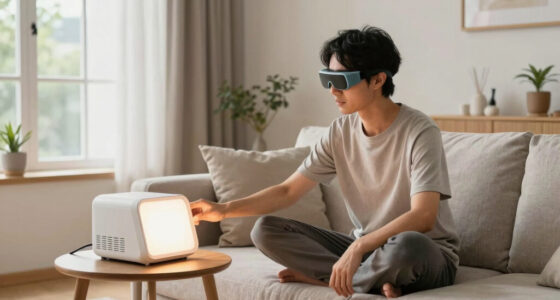
Technology offers powerful tools to support your sleep health. Wearable sleep trackers provide detailed insights into your sleep patterns, helping you identify habits that promote or hinder rest. Blue light-blocking glasses and apps can reduce circadian disruption by filtering out disruptive wavelengths, especially during evening or night shifts. Light therapy lamps can simulate daylight, helping shift your internal clock gradually to match your work schedule.
For example, a warehouse worker uses a sleep app to monitor sleep quality and adjust bedtime routines based on data insights. Using light therapy lamps during the evening shift can help advance or delay your circadian phase, making adaptation smoother. Combining these tools with good sleep practices—like consistent routines and environmental control—can significantly improve your ability to rest effectively despite schedule changes.
The key is understanding that these technologies are aids, not magic bullets. They work best when integrated into a comprehensive approach that includes behavioral strategies, environment optimization, and light management. This integrated method can help you maintain better sleep health and resilience in the face of unpredictable schedules.
Frequently Asked Questions
How can I sleep better during day shifts or irregular hours?
Create a dark, quiet environment with blackout curtains or an eye mask. Keep your sleep schedule as consistent as possible, and manage light exposure by wearing sunglasses during your commute home from night shifts. Small routines and environmental tweaks make a big difference.
What are the best strategies to adjust my circadian rhythm?
Gradually shift your sleep times by 1-2 hours every few days, use bright light therapy during your wake periods, and consider melatonin supplements under medical supervision. These strategies help your internal clock adapt faster to new schedules.
How long does it take to adapt to rotating shifts?
It varies—some people adjust within a few days, others take weeks. Consistency, strategic light exposure, and good sleep habits speed up the process. Patience and persistence are key.
Are there any health risks associated with rotating shift work?
Yes. Chronic sleep disruption has been linked to increased risks of cardiovascular issues, obesity, diabetes, and mental health challenges. Prioritizing good sleep habits can help mitigate some of these risks.
Can technology help improve sleep for shift workers?
Absolutely. Sleep trackers, light therapy devices, and apps that monitor and guide your habits can support your efforts to adapt and improve sleep quality amid irregular schedules.
Conclusion
Rotating shifts challenge your body’s natural clock, but small, deliberate habits can anchor your sleep through the chaos. Set routines, optimize your environment, and manage light—these are your tools for better rest.
Think of your sleep as an anchor in the storm. Keep it steady, and you’ll navigate your unpredictable schedule with more energy and fewer health risks.
Flea & tick season Picks
flea and tick prevention
As an affiliate, we earn on qualifying purchases.