
TL;DR

Get wellness gear delivered free — and shop member deals
- Fast, free delivery on millions of items
- Access to Prime Big Deal Days deals on October 6–7
- Prime Video, Amazon Music and more included
Cooling mattress pads sit on top of your bed, mainly adding moisture-wicking and surface cooling. Toppers are thicker layers that change your mattress feel and often include cooling features. Your choice depends on whether you want a slight temperature boost or a total comfort makeover.
Ever wake up drenched in sweat, clutching your pillow? It’s a common problem. The good news: bedding innovations now offer real relief. But the choices can be confusing—what’s the difference between a cooling mattress pad and a topper? And which one actually helps you sleep cooler? In this guide, you’ll learn exactly that. Whether you sleep hot naturally or just have the occasional night sweat, understanding these tools helps you make smarter, more comfortable decisions for your sleep.
Let’s break down what each does, how they work, and who benefits most from each. You’ll walk away knowing which investment makes the most sense for your sleep style—and how to get the best results without breaking the bank.
Cooling mattress pads are thin, affordable, and easy to wash—best for surface temperature control and protection.
Mattress toppers are thicker, more expensive, and significantly change how your bed feels—ideal for comfort and contouring.
Passive cooling fabrics and phase-change materials help surface temperature, while active systems like water beds lower heat more dramatically.
Layering a pad under a topper can maximize cooling and comfort, especially for hot sleepers or those with a firm mattress.
Choose based on your sleep habits, mattress condition, and budget—there’s no one-size-fits-all solution.
Cooling Mattress Pads vs. Toppers
Wake up drenched in sweat? You’re not alone — and the fix depends on one simple distinction: a pad fine-tunes; a topper transforms. Pads add a thin layer of moisture-wicking, surface-cooling protection. Toppers rebuild how your whole bed feels — often with cooling built in. Here’s exactly how to choose.
Passive Cooling DropBreathable fabrics & phase-change materials trim surface heat by up to 3°F.
Active Cooling DropWater & air-circulation systems deliver a far more dramatic temperature shift.
Topper ThicknessVs. under 2 inches for a pad — the core of the comfort difference.
$30–$150
Cooling Pad Price
$100–$400+
Cooling Topper Price
1–3 yrs
Pad Lifespan
3–5 yrs
Topper Lifespan
One Fine-Tunes. One Transforms.
If you mainly sleep hot and like your mattress, a pad is usually enough. If the mattress itself is uncomfortable and hot, a topper addresses both problems at once.
Cooling Mattress Pad
The Surface Freshener
A thin layer — usually under 2 inches — that sits on your mattress like a fitted sheet, with special fabrics or cooling tech baked in. Its main job: gentle temperature regulation plus protection from spills, allergens, and dust mites.
- Feel change: minimal — your mattress stays your mattress
- Cooling style: breathable covers, moisture-wicking, PCM
- Care: most are fully machine washable
- Setup: light, quick, and fitted-sheet simple
< 2″
Typical Thickness
$$
Budget Friendly
Cooling Mattress Topper
The Comfort Makeover
A substantial 2–4 inch layer engineered to dramatically change how your bed feels — softening a firm mattress or firming a soft one. Cooling versions pair pressure relief with gel-infused foam, ventilated latex, or breathable wool.
- Feel change: significant — a true surface transformation
- Cooling style: gel foam, aerated latex, wool — mitigates heat
- Care: usually spot-clean only; removable covers vary
- Trade-off: heavier, pricier, raises bed height
2–4″
Typical Thickness
$$$
Bigger Investment
The Full Comparison Table
Every differentiator that matters — from protection and pressure relief to washability and price.
| Factor | Cooling Pad | Cooling Topper | Winner |
|---|---|---|---|
| Thickness | Under 2 inches; fitted-skirt or strap attachment | 2–4 inches; sits atop mattress under the sheet | ~ Depends on goal |
| Feel Change | Minimal — preserves mattress character | Significant — softens or firms the whole bed | ✓ Topper |
| Cooling Power | Surface-level; up to ~3°F (passive / PCM) | Moderate; gel & latex mitigate rather than eliminate heat | ~ Situational |
| Protection | Shields against spills, allergens, dust mites | Little to no waterproofing or allergen barrier | ✓ Pad |
| Pressure Relief | Negligible — too thin to contour | Strong — real contouring for joints & pressure points | ✓ Topper |
| Washability | Most fully machine washable | Usually spot-clean only; foam can’t be machine washed | ✓ Pad |
| Durability | ~1–3 years of regular use | ~3–5 years; denser materials last longer | ✓ Topper |
| Price Range | ~$30–$150 | ~$100–$400+ (latex & high-density foam at top) | ✓ Pad |
| Fixes a Sagging Mattress? | ✗ No — never designed to | ✗ No — common misconception; masks it briefly at best | ✗ Neither |
Three Tiers of Cooling Power
Cooling features fall into three categories — and the real-world temperature drop climbs sharply with each tier. Pads lean on the first two; active systems live at the premium pad-style end.
Passive Cooling
Breathable, naturally cool materials — cotton, Tencel, bamboo-derived fabrics, wool, open-cell foam, ventilated latex — wick moisture and promote airflow. Underrated for night sweats, but limited in extreme heat.
Budget · Low MaintenancePhase-Change (PCM)
Materials that absorb and release heat to hold a target surface temperature all night — crucial for sudden hot flashes, preventing rapid temperature spikes before they wake you.
Mid-Range · Steady TempActive Cooling
Water or air actively moves heat away from your body — systems like ChiliPad/OOLER, Eight Sleep Pod, or BedJet. The biggest drops by far, but they need power, upkeep, and a serious budget.
Premium · $500–$2,500+Layer a Pad Under a Topper
For hot sleepers — especially those stuck with a firm mattress — layering maximizes both cooling and comfort without replacing the mattress itself.
Base Layer
Your Mattress
Firm, soft, or aging — the foundation stays exactly as it is.
Layer 1 · Cooling
Breathable Pad
Moisture-wicking, washable surface cooling — plus mattress protection.
Layer 2 · Comfort
Gel / Latex Topper
2–4 inches of contouring pressure relief with cooling materials built in.
Result
Custom Sleep Climate
Surface cooling + plush comfort, fully tuned to your sleep style.
Fit matters as much as materials. Choose deep-pocket skirts for thick mattresses, and straps to prevent shifting — especially when stacking a pad under a topper. Look for CertiPUR-US (foam), OEKO-TEX, or GOLS/GOTS (organic latex/textiles) certifications as quality signals.
Which One Belongs on Your Bed?
Match the choice to your sleep habits, mattress condition, and budget — there’s no one-size-fits-all answer.
Choose a Pad If…
You like your mattress and just want a cooler, cleaner surface.
- You sleep mildly warm or have occasional night sweats
- You want spill / allergen / dust-mite protection
- Easy machine washing is non-negotiable
- Budget is under ~$150
Choose a Topper If…
The mattress itself is the problem — and heat is the second problem.
- Your bed is too firm, too soft, or causing pressure points
- You want contouring for joint pain relief
- You’re extending a decent mattress’s life by a few years
- 2″ for subtle change; 3–4″ for a major feel overhaul
Go Active If…
Heat is severe, persistent, and wrecking your sleep quality.
- You battle extreme heat or nightly drenching sweats
- Passive & PCM options haven’t moved the needle
- You can invest $500–$2,500+ plus maintenance
- Menopause or medication related? Also talk to a doctor
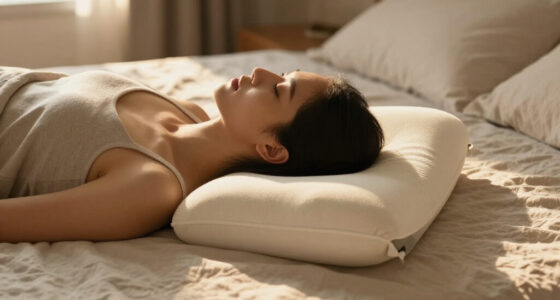
What exactly is a cooling mattress pad? Think of it as your bed’s surface freshener.
A cooling mattress pad is a thin layer, usually less than 2 inches, that sits directly on top of your mattress. It’s like a sheet but with special fabrics or tech baked in. Its main job? Provide a gentle touch of temperature regulation and protect your mattress from spills and allergens. Many are machine washable, making life easy. For example, a breathable bamboo cover or gel-infused fiber can make your night less sticky without changing your mattress feel much.
If you mainly want a surface-level fix—something that adds a cooling touch without altering your sleep experience—a pad is your best bet. It’s quick to set up, affordable, and versatile.
Practical Tip: To maximize cooling, choose a pad with breathable, moisture-wicking fabric and look for one with phase-change technology if you experience sudden hot flashes.
cooling mattress pad with phase-change material
As an affiliate, we earn on qualifying purchases.
As an affiliate, we earn on qualifying purchases.
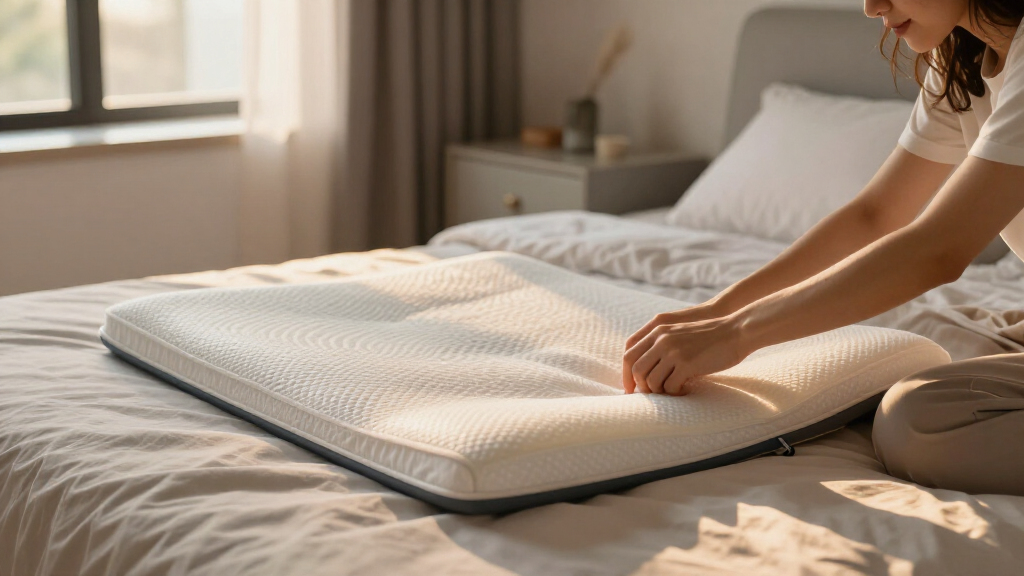
What’s a mattress topper? More than just a fancy pillow for your bed.
A mattress topper is a thick layer—often 2 to 4 inches—that sits on top of your mattress. It’s designed to dramatically change how your bed feels, softening a firm mattress or firming up a soft one. When made with cooling features—like gel-infused foam, ventilated latex, or breathable wool—it can also help manage heat while adding plush comfort. Think of it as a way to transform your sleeping surface into a more luxurious or supportive space. The thicker material provides additional pressure relief, which can be especially beneficial for those with joint pain or pressure points. However, because toppers are heavier and more substantial, they may alter the overall height of your bed and require adjustments to your bedding. They also tend to be more durable, lasting several years, but are less portable and more costly to replace than pads.
For example, a 3-inch gel memory foam topper can turn a too-hard bed into a cozy haven. But toppers are heavier, more expensive, and usually spot-clean only.
Practical Tip: When choosing a topper, consider your main sleep issues: if you need contouring and pressure relief, opt for a thicker, softer topper; for temperature control, look for one with integrated cooling materials.
moisture-wicking cooling mattress topper
As an affiliate, we earn on qualifying purchases.
As an affiliate, we earn on qualifying purchases.
How do cooling tech and materials differ between pads and toppers?
Cooling features fall into three categories: passive, phase-change, and active. Passive cooling uses breathable fabrics like cotton, Tencel, wool, or latex to wick moisture and promote airflow, which helps keep surface temperatures steady but may offer limited relief during extreme heat. Phase-change materials (PCM) absorb and release heat as needed, helping to maintain a more consistent surface temperature over the course of the night—this can be crucial for sleepers who experience sudden hot flashes or night sweats, as it prevents rapid temperature spikes. Active cooling involves water or air circulation—think water beds or systems like ChiliPad or BedJet—that actively move heat away from your body, providing significant temperature drops but requiring power sources and maintenance. While both pads and toppers can incorporate these features, pads often rely on passive and phase-change tech, making them more affordable and easier to maintain. Toppers, on the other hand, sometimes include gel-infused foams or ventilated latex to add contouring and cooling—though their effectiveness varies depending on the product quality and design.
Practical Takeaway: For mild to moderate heat issues, choose passive or phase-change materials for a budget-friendly, low-maintenance solution. If you experience extreme heat or night sweats regularly, consider investing in an active cooling system for immediate and more dramatic relief. Always match your choice to your specific needs and willingness to invest.
active cooling mattress pad for hot sleepers
As an affiliate, we earn on qualifying purchases.
As an affiliate, we earn on qualifying purchases.
Frequently Asked Questions
Do cooling mattress pads or toppers really work?
Yes, but their effectiveness varies. Pads with breathable fabrics or phase-change materials can lower surface temperature by up to 3°F. Toppers with gel-infused foam or ventilated latex can add more comfort and a slight cooling effect. Active systems like water beds or air circulation units deliver the biggest temperature drops but come at a higher cost.
Practical Action: Test different options to see what provides noticeable relief for your sleep. Start with a breathable pad or gel-infused topper, and consider active systems only if your hot flashes are severe and persistent.
Can a cooling topper fix a hot mattress?
A cooling topper can help reduce heat buildup and improve comfort temporarily, but it won’t address underlying mattress issues like sagging or worn-out materials. For long-term comfort, evaluate whether your mattress needs replacing or upgrading. Use a topper as a short-term fix while planning a more permanent solution.
Is it better to layer a pad and a topper?
Yes, layering can give you both surface cooling and a plush feel. Start with a breathable, moisture-wicking pad underneath, and add a gel-infused or ventilated topper on top for enhanced cooling and comfort. This combination allows you to customize your sleep environment without making drastic changes to your mattress. Consider your sleep needs and preferences to decide if layering is the right approach for you.
How do I pick the right thickness for a topper?
For subtle comfort enhancement, 2 inches is sufficient. If you want significant pressure relief or a major feel change, opt for 3 to 4 inches. Assess your current mattress’s firmness and your comfort priorities—thicker toppers provide more cushioning but alter bed height more noticeably. Use this as a practical decision framework: lighter, softer sleepers may prefer thinner toppers, while those needing more support or contouring should consider thicker options.
Are active cooling systems safe and worth it?
Active cooling systems are generally safe when used properly. They offer superior cooling, especially for extremely hot sleepers or those with night sweats. However, they require a larger upfront investment and ongoing maintenance, including electricity costs and potential technical issues. Evaluate your budget, sleep challenges, and willingness to manage the system before choosing this option. For many, a combination of passive cooling layers may suffice, reserving active systems for severe cases.
gel-infused cooling mattress topper
As an affiliate, we earn on qualifying purchases.
As an affiliate, we earn on qualifying purchases.
Conclusion
Understanding the difference between a cooling mattress pad and a topper helps you make smarter choices. If your goal is surface cooling and protection, a pad is quick and budget-friendly. But if you need a major feel change and real temperature relief, a topper—especially one with cooling features—may be the better pick.
Imagine slipping into a bed that feels perfectly cool and plush—your ideal sleep environment is within reach. Just pick your layer wisely, and enjoy nights of truly restful sleep.
Fall Picks
fall essentials
As an affiliate, we earn on qualifying purchases.