
TL;DR

Get wellness gear delivered free with Prime
- Fast, free delivery on millions of items
- Prime Video, Amazon Music and more included
- Member-only deals all year
A minimalist bedside setup with a wake-up light focuses on simplicity, essential items, and natural design. It helps create a calming environment that improves sleep quality and makes waking up easier and more gentle.
Imagine waking up to the soft glow of a sunrise, not a blaring alarm. Your bedroom’s simplicity becomes your secret weapon for better sleep and mornings that feel less jarring.
This guide is about crafting a minimalist bedside setup centered around a wake-up light. It’s about creating a space that’s calming, clutter-free, and tailored to help you wake naturally, effortlessly, and with dignity, whether you’re a deep sleeper or a light one.
Choose a compact, sleek wake-up light with customizable sunrise features.
Keep only essential items on your bedside table—avoid clutter and distractions.
Position your wake-up light where it’s easy to reach and program it to mimic natural dawn.
Use natural textures and neutral tones to create a calming, minimalist environment.
Regularly declutter and stick to a routine to maximize the benefits of your setup.
A Minimalist Bedside Setup Around a Wake-Up Light
A calm nightstand turns the wake-up light into the anchor: fewer objects, softer dawn, clearer routines. The aim is simple: reduce visual noise before bed and make mornings feel gradual instead of jarring.
Wake with light, not alarm shock.
Gradual sunrise simulation supports circadian timing, improves morning alertness, and helps the bedroom feel like a place for rest instead of digital clutter.
What earns a place beside the bed
Every item should either help you fall asleep, wake gently, or keep the morning routine frictionless. If it does none of those, it belongs somewhere else.
Compact sunrise device
Choose a sleek wake-up light with adjustable brightness, warm-to-cool color temperature, simple controls, and a small footprint.
Clear nightstand
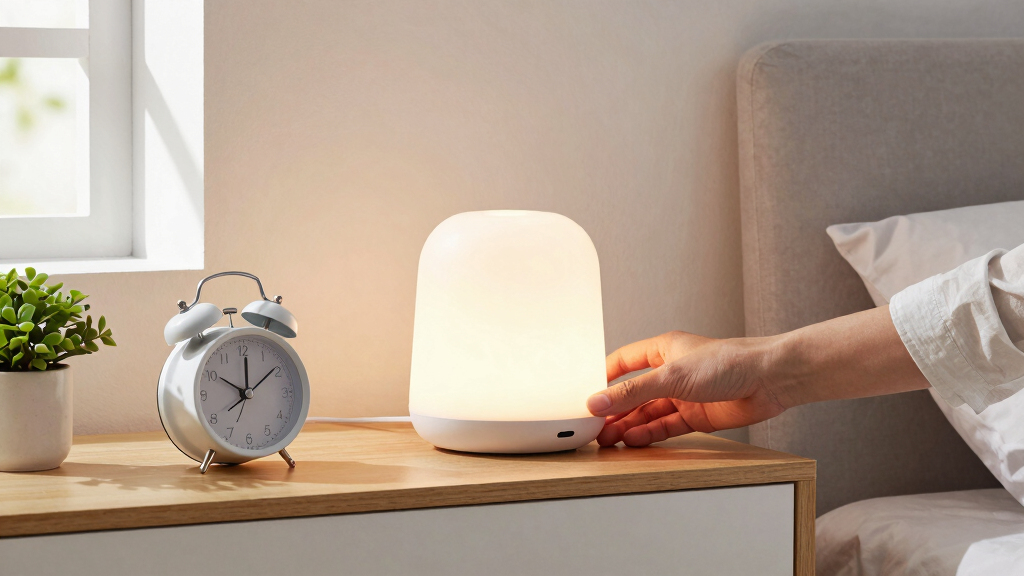
Limit the table to the light, a small clock or timer, and one natural element. The empty space is part of the design.
Natural calm
Use wood, linen, cotton, matte white, soft gray, or muted beige to warm the setup without adding visual noise.
Program the dawn, then leave it alone
Consistency is the invisible feature. When the light brightens at the same time and angle each day, your brain gets a repeated cue that waking is coming.
The ideal placement
Put the light within easy reach, roughly at eye level or slightly above. Keep cords managed and make sure no objects block the glow.
Place
Near your face line, not hidden behind books.
Program
Start brightening 30 minutes before wake time.
Tune
Warm sunset tones, cooler sunrise tones.
Repeat
Use the same schedule for a steadier rhythm.
Feature value index
Prioritize features that make the wake-up experience gentler without adding unnecessary controls or extra devices.
The bedside edit
The table is not storage. It is a small command center for sleep hygiene, gentle light, and calm access in the dark.
| Item | Minimalist bedside | Cluttered bedside | Sleep impact |
|---|---|---|---|
| Wake-up light | ✓ Centerpiece with sunrise schedule | ~ Buried behind objects | Improves gentle waking and routine consistency |
| Electronic devices | ~ One purposeful device only | ✗ Phone, tablet, chargers, remotes | Lower distraction and less visual stimulation |
| Natural element | ✓ Tiny plant or simple vase | ~ Excess decor and trinkets | Adds warmth without crowding the surface |
| Reading material | ~ One current book nearby | ✗ Stacks of books and magazines | Reduces decision fatigue before sleep |
| Cords | ✓ Hidden or clipped cleanly | ✗ Tangled and visible | Creates a calmer visual field |
Dial down the room before sleep
Minimalism works because it removes competing cues. Fewer objects, softer materials, and predictable light help your nervous system treat the bedroom as a place to reset.
Visual noise
Keep surfaces open and avoid decorative items that do not support sleep or waking.
Light intensity
Use warm dim light at night and a gradual brighter ramp before morning.
Material warmth
Balance matte technology with wood, linen, cotton, or one small plant.
Routine consistency
Keep wake time, ramp length, and brightness settings stable across the week.
How the setup changes the morning
The system is small, but the signal is clear: less clutter at night, more natural light in the morning, and fewer abrupt decisions at the edge of sleep.
Clear surface
Less visual loadNatural texture
Warmer rest cueSunrise ramp
Circadian cueStable timing
Routine lockSmoother wake
Less grogginessThe minimalist bedside checklist
Keep the setup useful, beautiful, and easy to maintain. The best bedside system is the one you do not have to think about every night.
Choose
- A compact wake-up light with sunrise simulation and adjustable brightness.
- Simple controls, energy-efficient LEDs, and optional smart integration.
- Neutral tones and matte finishes that blend quietly into the room.
Remove
- Multiple electronics, tangled cords, and stacks of unread material.
- Decor that fills space without supporting rest or routine.
- Harsh light, inconsistent schedules, and alarm-first mornings.
Why a simple setup makes mornings smoother
A minimalist bedside setup isn’t just about looks. It helps your brain associate your space with peace and rest. When you keep only what you need—like your wake-up light—you reduce distractions and create a calming environment.
Picture a small, tidy nightstand with a sleek wake-up light, a simple clock, and perhaps a tiny plant. No clutter, no chaos—just a serene space that signals it’s time to rest or rise.
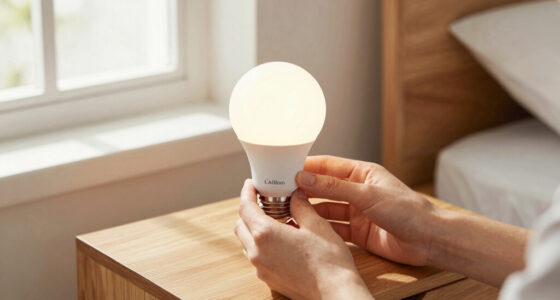
minimalist wake-up light with sunrise simulation
As an affiliate, we earn on qualifying purchases.
As an affiliate, we earn on qualifying purchases.
How to choose the perfect wake-up light for your minimalist setup
- Pick a compact design that blends with your decor—think matte white or soft gray.
- Look for adjustable brightness and sunrise simulation features. These features are crucial because they allow you to customize your wake-up experience, making it more natural and less abrupt. The ability to adjust brightness means you can avoid overly harsh lights that can cause discomfort or disturbance, especially if you’re sensitive to light.
- Check compatibility with smart home devices if smart features appeal to you. Integration can streamline your morning routine, allowing you to control your wake-up light via voice or app, which adds convenience and consistency.
- Opt for energy-efficient LEDs to align with eco-friendly values. This choice reduces your environmental impact and ensures your device consumes less power over time, making it sustainable without sacrificing performance.
- Ensure it’s easy to operate—simple controls matter. A straightforward interface minimizes frustration and encourages regular use, which is essential for the light to have a positive impact on your sleep cycle.
For example, a sleek Philips Wake-Up Light with a gentle sunrise simulation can fit seamlessly on a small bedside table, adding calm without clutter. Its customizable features mean you can tailor your wake-up to your preferences, ensuring a gentle start to your day.
compact bedside lamp for sleep and wake-up
As an affiliate, we earn on qualifying purchases.
As an affiliate, we earn on qualifying purchases.
What to keep on your bedside table (and what to leave out)
| Keep | Leave Out |
|---|---|
| Wake-up light | Multiple electronic devices |
| Small clock or timer | Clutter or decorative items that distract |
| Natural element (like a tiny plant) | Books or magazines that add noise |
| Comfortable, simple lamp (optional) | Excessive cords or gadgets |
Imagine a tiny succulent adding a touch of green, sitting beside your softly glowing wake-up light. The key is simplicity—every item should serve a purpose, not just fill space. This intentional minimalism reduces visual noise and mental clutter, which can interfere with your ability to relax and fall asleep. Each item’s purpose matters because it either supports restful sleep or helps you wake gently, making your routine more effective and less stressful.
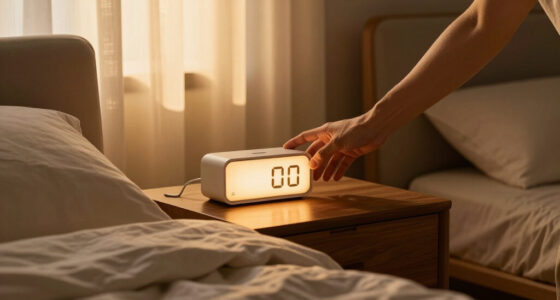
natural tone minimalist alarm clock
As an affiliate, we earn on qualifying purchases.
As an affiliate, we earn on qualifying purchases.
How to set up your wake-up light for the best morning
- Place it within easy reach, ideally at eye level or slightly above. This positioning ensures you can easily activate or adjust the light without disrupting your sleep routine.
- Program the sunrise feature to gradually brighten over 30 minutes before your usual wake time. This slow increase in light mimics natural dawn, which helps regulate your circadian rhythm, making waking less abrupt and more aligned with your body’s natural clock.
- Adjust the color temperature to mimic natural daylight—warm tones for sunset, cool for sunrise. Proper color tuning can influence your mood and alertness, helping you wake more naturally and feel more energized during the day.
- Test the sound options, if available, for gentle chimes or nature sounds. These sounds can enhance the waking experience, creating a multisensory approach that eases you into the day.
- Keep the setup consistent—your brain craves routine for better sleep and waking habits. Regular use of your wake-up light reinforces your body’s internal clock, leading to more restful sleep and smoother mornings.
For example, setting your light to start brightening at 6:30 am, with a soft pinkish hue, can make waking up feel like a natural dawn rather than an abrupt shock. Consistency in timing and settings helps your body anticipate and prepare for waking, improving overall sleep quality and morning alertness.
dimmable wake-up light for bedroom
As an affiliate, we earn on qualifying purchases.
As an affiliate, we earn on qualifying purchases.
Design tips for a serene, clutter-free bedside space
Keep your bedside clean and visually calm. Use neutral colors like beige, gray, or soft pastels. Choose a smooth, matte finish for your wake-up light to avoid visual noise. These choices promote a sense of tranquility and help your mind relax as you prepare for sleep.
Position your items thoughtfully—nothing should block your light or create clutter. Consider a small tray or minimal shelf that keeps everything neat and within easy reach. Proper placement ensures your space remains functional and visually soothing, reducing the mental load and making your routine more peaceful.
Natural textures—wood, linen, cotton—bring warmth without visual chaos. Think of a sleek, minimalist lamp or a tiny vase with fresh flowers that adds life without clutter. These elements subtly enhance the environment’s calming effect, supporting better sleep and wakefulness.
Why less is more: the science behind minimalism and sleep quality
Research shows that a cluttered environment can increase stress and make sleep harder. When your space is filled with excess objects and visual noise, your brain struggles to relax, leading to increased cortisol levels and disrupted sleep cycles. Conversely, a calm, organized environment signals to your nervous system that it’s time to rest, promoting the release of sleep-inducing hormones.
According to sleep science, reducing visual clutter before bed not only lowers stress but also enhances melatonin production, the hormone responsible for sleep regulation. Minimizing distractions and choosing natural textures and soft lighting can help your body and mind transition smoothly into sleep. This approach is a tradeoff—while minimalism may require some initial effort and discipline, the long-term benefits include deeper sleep, less anxiety, and more restorative rest. Creating a peaceful oasis isn’t just aesthetic; it’s a scientifically supported method to improve overall sleep quality and daily functioning.
Imagine your bedroom as a sanctuary—fewer objects, softer lighting, natural textures. This environment supports your body’s natural relaxation response, allowing you to reset each night and wake refreshed, ready to face the day.
Final tips to keep your bedside simple and effective
- Declutter regularly—less stuff equals less stress. Removing unnecessary items prevents accumulation of visual noise and makes your space easier to maintain, which encourages consistent use and reinforces your sleep routine.
- Stick to a consistent wake-up routine with your light. Routine helps regulate your internal clock, making waking easier and your sleep more restorative. The predictability of your setup signals to your body that it’s time to relax or rise, reducing stress and improving sleep quality.
- Choose multi-functional items—like a plant that also purifies the air. These add value without clutter, supporting both your health and your aesthetic goals.
- Use natural textures and neutral tones for a calming vibe. This color palette and material choice promote tranquility and help your mind associate your space with relaxation.
- Avoid screens and electronics that emit blue light close to bedtime. Exposure to blue light suppresses melatonin production, disrupting your sleep cycle. Keeping your environment free of screens supports natural melatonin release and a more restful night.
Picture a quiet, tidy space where the only thing you see is your gentle glow, inviting peaceful mornings every day. This mindful approach ensures your environment remains a sanctuary that nurtures restful sleep and gentle waking.
Frequently Asked Questions
How does a wake-up light improve my sleep and mornings?
A wake-up light gradually brightens to simulate sunrise, helping reset your circadian rhythm. This makes waking up feel natural, reduces grogginess, and promotes better sleep quality over time.Can I use a wake-up light if I sleep with a partner who prefers darkness?
Yes, many models allow adjustable brightness and color settings, so you can set your light to a gentle glow that doesn’t disturb your partner. Positioning the light away from the bed can also help.What’s the best way to keep my bedside setup minimalist and functional?
Limit items to essentials like your wake-up light, a simple clock, and maybe a small plant. Regularly clear clutter, choose neutral tones, and avoid unnecessary gadgets that add noise or visual chaos.Are there eco-friendly wake-up lights available?
Yes, many models now use energy-efficient LED technology and sustainable materials, helping you maintain a minimalist, eco-conscious environment without sacrificing quality.Conclusion
Creating a minimalist bedside space around your wake-up light transforms your mornings from abrupt awakenings to gentle rises. It’s about more than looks — it’s about feeling calm, in control, and ready to start the day.
Imagine slipping into bed, knowing your environment supports restful sleep and peaceful mornings. Small changes, big difference—your serene wake-up begins with a simple, thoughtful setup.
Halloween Picks
halloween
As an affiliate, we earn on qualifying purchases.