TL;DR

Get wellness gear delivered free with Prime
- Fast, free delivery on millions of items
- Prime Video, Amazon Music and more included
- Member-only deals all year
Most LED wake-up light bulbs last between 25,000 and 50,000 hours, offering years of reliable service. Their longevity depends on quality, usage, and environmental factors, making it a smart investment for a natural wake-up every day.
Wake-up light bulbs are changing the way we greet mornings, mimicking sunrise to wake us gently and naturally. But don’t forget—like any device, they wear out over time. Knowing how long these bulbs last and what influences their lifespan can help you pick a reliable model that brightens your mornings without surprise replacements.
Imagine waking up to a soft glow that gradually intensifies, filling your room with warm, natural light. Choosing the right bulb means your sunrise simulation stays vibrant year after year, making mornings less jarring and more inviting. Let’s explore what makes LED bulbs last and how to get the most out of your wake-up light.
LED bulbs in wake-up lights typically last between 25,000 and 50,000 hours, meaning several years of daily use.
Environmental factors, usage habits, and quality determine how long your wake-up light stays bright.
Opt for models with replaceable LED modules for easier and more cost-effective maintenance.
Place your device in a cool, dry spot and use moderate brightness to extend lifespan.
Investing in higher-quality LEDs and good build quality ensures your mornings stay gentle and bright for years.
What Makes LED Wake-Up Light Bulbs Last So Long?
LED technology is known for its durability and efficiency. Unlike traditional incandescent bulbs that burn out quickly, LEDs are built to last tens of thousands of hours—often between 25,000 and 50,000 hours. This extended lifespan means fewer replacements, which is particularly advantageous for devices like wake-up lights that are used daily. The longevity of LEDs also means that they maintain consistent brightness over many years, preserving the quality of your sunrise simulation without fading or flickering. This durability is essential because replacement can be inconvenient and costly, especially if the device is hard to access or if multiple units are used in a household. Additionally, the solid-state design of LEDs means they are more resistant to shocks and vibrations, making them suitable for various settings. Understanding why LEDs last longer helps consumers appreciate the value of investing in high-quality wake-up lights, as it translates into a more reliable and maintenance-free experience over the long term.
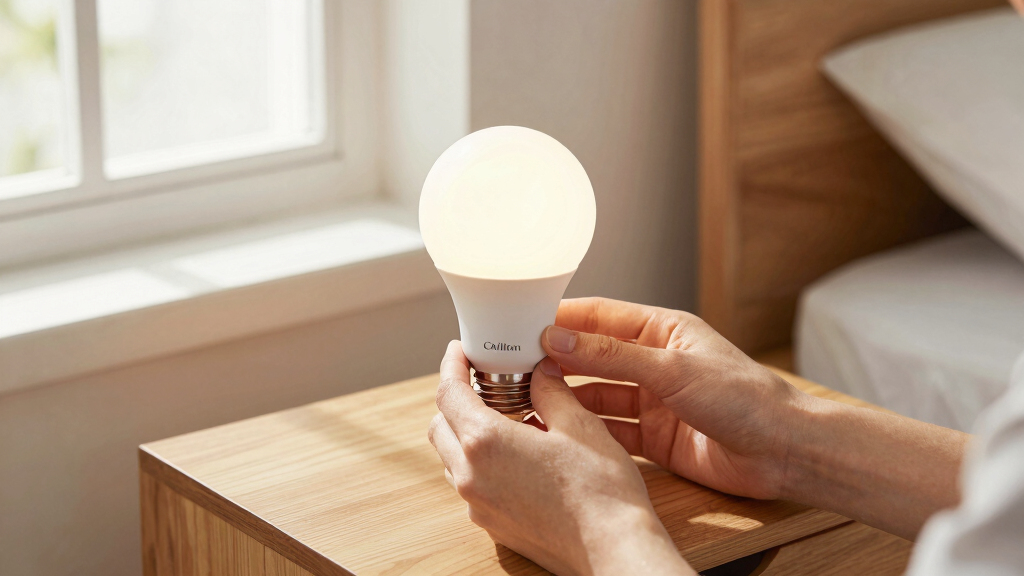
LED wake-up light bulb replacement
As an affiliate, we earn on qualifying purchases.
As an affiliate, we earn on qualifying purchases.
Factors That Can Shorten Your Wake-Up Light’s Lifespan
While LEDs are inherently durable, several external factors can influence their effective lifespan. Usage habits are critical; turning the light on for extended periods each morning adds to the total operational hours, which can accelerate wear if the device isn’t designed for prolonged use. Brightness levels matter too—running the light at maximum brightness can generate more heat and stress the diode, potentially reducing its lifespan over time. Environmental conditions such as excessive heat, high humidity, or exposure to dust can also hasten degradation, as these factors can cause overheating or corrosion of internal components. Power stability is another key element; voltage fluctuations or power surges can cause electrical stress on the LEDs, leading to early failure. Recognizing these factors allows consumers to optimize their usage and environment, thereby extending the life of their wake-up lights. For example, using the device at moderate brightness, placing it in a cool, dry spot, and avoiding frequent power surges can significantly prolong operational lifespan, ensuring your investment remains reliable for years.
As an affiliate, we earn on qualifying purchases.
How to Extend Your Wake-Up Light’s Lifespan
- Use the light at moderate brightness levels—saving energy and reducing stress on the diode, which helps maintain consistent brightness and prevents overheating that can damage internal components.
- Avoid leaving the light on longer than necessary—frequent unnecessary use can add to total operational hours and accelerate aging. Turning it off when not needed minimizes wear.
- Place the device in a cool, dry spot—heat accelerates degradation of electronic components and LEDs. Maintaining a stable, cool environment helps preserve brightness and prevents premature failure.
- Opt for models with high-quality LEDs and good build reviews—investing in reputable brands ensures the components are designed for longevity and resistance to environmental stressors.
- Invest in a surge protector—voltage spikes can cause immediate or cumulative damage to LEDs. Protecting your device from power fluctuations helps maintain consistent operation and extends lifespan.
For instance, a user in a colder climate reports that keeping their wake-up lamp in a well-ventilated, cooler corner helped it stay bright for over 5 years. Simple steps, but they add up to longer-lasting light that maintains its effectiveness, making your mornings consistently pleasant without frequent replacements.
As an affiliate, we earn on qualifying purchases.
Are Replaceable LED Modules Worth It?
Some wake-up lights feature replaceable LED modules, making maintenance more straightforward and cost-effective in the long run. When the LED begins to dim or fail, you can simply swap out the small, dedicated module rather than replacing the entire device. This approach not only saves money but also reduces electronic waste, aligning with eco-friendly practices. However, not all models offer this feature, and the availability of replacement modules varies across brands. When considering a model with replaceable LEDs, it’s important to evaluate the ease of access, cost of replacement modules, and overall build quality. A well-designed system ensures that replacing the LED is a simple task, often requiring just a few minutes and minimal tools. This flexibility allows you to extend the lifespan of your wake-up light significantly, potentially lasting a decade or more with regular maintenance, making it a valuable feature for those seeking durability and sustainability in their morning routine.
replaceable LED modules for wake-up lights
As an affiliate, we earn on qualifying purchases.
As an affiliate, we earn on qualifying purchases.
Comparison Table: LED Lifespan and Features in Wake-Up Lights
| Feature | Standard Fixed LED Light | Replaceable LED Module |
|---|---|---|
| Lifespan | 25,000–50,000 hours | Up to 50,000 hours, with easy swap, allowing for maintenance and prolonging device usability |
| Cost | Lower initial cost, but higher long-term replacement expenses | Higher upfront cost but potentially lower overall maintenance cost due to replaceability |
| Convenience | Replace entire device when LED dims or fails | Swap just the LED module, which can be quicker and more economical over time |
| Environmental Impact | Higher waste due to full-unit replacement | Less waste, more sustainable, as only the LED module is disposed of or recycled |
Choosing between these options depends on your budget, environmental values, and preference for maintenance. A model with replaceable LEDs might require a higher initial investment but can offer significant savings and sustainability benefits over its lifespan, making it a wise choice for eco-conscious consumers and those seeking longevity.
What Buyers Should Look for in a Wake-Up Light’s LED System
When shopping for a wake-up light, prioritize models with high-quality LEDs rated for at least 25,000 hours. But more importantly, understand what this rating means: a higher LED lifespan indicates a more durable component that will maintain brightness and reliability over the years. Check if the manufacturer provides detailed specifications about the LED’s expected lifespan—transparency here often correlates with overall product quality. Additionally, features like replaceable modules or upgrade options can extend the device’s usability, allowing you to adapt as technology improves. Investing in a model with a longer-rated LED ensures your mornings remain consistent and bright for many years, reducing the need for frequent replacements and repairs. For example, a sunrise alarm boasting a 50,000-hour LED is likely to serve you well over five years, even with daily use, making it a cost-effective and dependable choice. Ultimately, choosing a durable LED system is about securing a long-term, hassle-free wake-up experience that enhances your daily routine.
The Bottom Line: Investing in Your Mornings
LED wake-up lights are built to last and give you years of gentle sunrises. Paying attention to quality, environmental care, and features like replaceable modules can extend their life even further. Think of your wake-up light as a small investment in a brighter, calmer start to every day.
Choosing wisely now saves hassle and money later, making mornings more peaceful and your sleep routine more reliable. Bright, natural mornings are within reach—just pick the right bulb.
Frequently Asked Questions
How long do wake-up light bulbs typically last?
Most LED wake-up light bulbs last between 25,000 and 50,000 hours. Depending on daily use, that can be over 3 to 6 years, making them a reliable choice for long-term brightness.Can I replace the LED bulb in my wake-up light?
It depends on the model. Some have replaceable LED modules, making maintenance easier and cheaper. Others require replacing the entire device once the LED dims or stops working.What factors affect the lifespan of a wake-up light’s LED?
Usage frequency, brightness level, environmental conditions like heat and humidity, and the quality of the LED all influence how long it lasts.Are LED wake-up lights energy-efficient?
Yes, LEDs consume significantly less power than traditional bulbs, helping you save on electricity bills while providing consistent, gentle illumination.When should I replace my wake-up light?
Replace it when the light dims noticeably, flickers, or the device no longer functions properly. Regular maintenance can help extend its effective lifespan.Conclusion
Choosing a wake-up light with a durable, high-quality LED isn’t just about brightness—it’s about lasting comfort and consistent mornings. Think of it as planting a small seed for a calmer, more natural start every day. When you pick wisely, your sunrise can shine brightly for years to come.
Remember: a good investment today turns into peaceful mornings for many years. Your perfect wake-up isn’t far—just choose the right light.
Columbus Day / Indigenous Peoples' Day Picks
long weekend sales
As an affiliate, we earn on qualifying purchases.