
TL;DR

Get wellness gear delivered free with Prime
- Fast, free delivery on millions of items
- Prime Video, Amazon Music and more included
- Member-only deals all year
Wake-up lights can simulate natural sunlight in windowless rooms and basements, helping you wake up more naturally and boost alertness. They work best when used consistently and combined with good sleep habits.
Imagine waking up in a windowless basement or a room without any natural light. It feels like waking up in a cave — no sunrise, no daylight. Yet, you still want that gentle, natural start to your day. That’s where wake-up lights come in, especially designed to fill the void of natural sunlight. They can help reset your internal clock, boost your mood, and make mornings feel less brutal.
In this guide, you’ll discover how to make wake-up lights work in spaces with no windows. We’ll explore the latest tech, practical tips, and real-life scenarios. Because, even in dark rooms, a little light can go a long way.
Use a wake-up light with at least 2,500 lux and full-spectrum or blue-enriched light for best results in dark environments.
Place the device at eye level and set it to gradually brighten 30-60 minutes before your desired wake-up time.
Consistency is key — use your wake-up light daily and pair it with good sleep habits for the best impact.
High-lux, advanced models with smart features can make a noticeable difference in windowless spaces.
While helpful, wake-up lights supplement but do not replace natural sunlight or outdoor light exposure when possible.
Artificial dawn for rooms where the sun never shows up.
TL;DR: Wake-up lights can simulate natural sunlight in windowless bedrooms and basements, helping your brain read the morning as morning. They work best when the light is bright enough, placed correctly, timed 30-60 minutes before waking, and used every day.
Enough intensity to influence circadian signals in rooms with no natural daylight.
A gradual brightening window mimics sunrise and reduces abrupt alarm shock.
Use light as a reliable cue: same time, same place, same morning signal.
Lux is the practical entry point for meaningful morning light exposure.
High-lux models offer stronger cues for windowless and basement settings.
Peak outdoor sunlight can be far brighter than indoor devices.
Consistency helps the internal clock anticipate the morning cue.
Your body clock needs a morning signal.
Without windows, your brain loses one of its strongest timing cues. A wake-up light supplies a controlled artificial sunrise that can support alertness, mood, hormone timing, and a steadier sleep-wake rhythm.
Light tells the brain it is daytime
Morning brightness reaches the eyes and helps suppress sleepiness signals while nudging the body toward wakefulness.
No sunrise means no reset
Windowless rooms can leave sleep cycles drifting, especially for shift workers, late sleepers, and anyone waking before outdoor daylight.
Controlled brightness beats guesswork
Adjustable lux, spectrum, and timing make the device a repeatable cue instead of a random lamp beside the bed.
Brightness matters more in dark rooms.
In a space with no windows, weak ambient light is rarely enough. The practical goal is a wake-up routine that moves from dim room to biologically noticeable brightness without glare.
The useful threshold
A device rated around 2,500 lux can provide a meaningful morning signal. Advanced 10,000 lux models offer a stronger substitute for natural daylight, especially when combined with full-spectrum or blue-enriched light.
How to set up a wake-up light in a basement.
The best setup is simple: correct placement, gradual timing, sufficient brightness, consistent use, and sleep habits that do not fight the light signal.
Place at eye level
Keep it in your visual field without aiming harsh glare directly into your eyes.
Start before alarm
Set the sunrise ramp for 30-60 minutes before your desired wake time.
Choose enough lux
Aim for at least 2,500 lux, with 10,000 lux useful for tougher dark-room routines.
Use the right spectrum
Full-spectrum or blue-enriched light more closely resembles morning daylight.
Repeat daily
Consistent timing teaches your internal clock to expect the artificial dawn.
Basic vs. advanced wake-up lights.
Basic models can help occasional users, but high-lux, full-spectrum, adjustable devices are better suited for windowless bedrooms, basement apartments, and shift-work sleep schedules.
| Feature | Basic models | Advanced models | Dark-room value |
|---|---|---|---|
| Brightness | Up to 2,500 lux | Up to 10,000 lux | ✓ Stronger cue in windowless rooms |
| Spectrum | Single-color warm light | Full-spectrum or blue-enriched | ✓ Better circadian stimulation |
| Gradual sunrise | Some models | Most models | ✓ Smoother wake transition |
| Smart features | Limited or none | App control, sensors, sleep tracking | ~ Useful for personalization |
| Natural sunlight replacement | Partial supplement | Stronger supplement | ✗ Still not a full outdoor-light replacement |
Where your morning light routine should land.
Think of brightness as a scale. A windowless room starts near the low end. A good wake-up light should move the morning signal into the effective zone without becoming uncomfortable.
Lux target spectrum
Best-use checklist
Use it early: keep bright light in the morning, not late at night. Protect sleep: limit screens before bed and keep bedtime consistent. Know the limits: wake-up lights support circadian rhythm, but they do not provide vitamin D or every benefit of outdoor sunlight.
From artificial sunrise to better mornings.
A wake-up light is most effective when the entire routine points in the same direction: steady timing, visible placement, useful intensity, and a room that stays dark at night.
Gradual light begins before the alarm.
Light reaches the visual system.
The brain reads morning timing.
Sleep inertia can feel softer.
Daily use strengthens the pattern.
Sleep hygiene supports the light cue.
A windowless room needs a deliberate morning.
Choose a wake-up light with at least 2,500 lux, consider full-spectrum or blue-enriched options, place it where your eyes can receive the cue, and run it 30-60 minutes before waking. The device is a supplement, not a full replacement for outdoor light, but in a basement or windowless room it can make mornings feel far less brutal.
Brightness is not decorative
Look past shape and alarm sounds. In dark spaces, useful intensity is the feature that changes the morning.
Timing beats randomness
The same wake window each day gives your internal clock a clearer pattern to follow.
Light cannot do it all
Cool room, dark nights, fewer late screens, and regular sleep schedules multiply the benefit.
Why a Wake-Up Light Is Your Best Friend in a Windowless Space
In environments without windows, your body’s internal clock gets starved of natural cues that tell it when to wake up and wind down. A wake-up light acts as a surrogate sunrise, providing a consistent light signal that helps regulate your circadian rhythm. This is critical because our internal clocks are highly sensitive to light cues, which influence hormone production, alertness, and sleep cycles. Without natural sunlight, your body can become desynchronized, leading to fatigue, mood swings, and irregular sleep patterns. Using a wake-up light fills this gap, encouraging your internal clock to follow a more natural, healthy rhythm. It’s like providing your body with a reliable, artificial dawn that can help you maintain regular sleep-wake cycles, even in the darkest environments.
wake-up light for windowless rooms
As an affiliate, we earn on qualifying purchases.
As an affiliate, we earn on qualifying purchases.
How to Use Wake-Up Lights Effectively in Basements and Windowless Rooms
- Place the light at eye level — positioning the light properly ensures your eyes receive enough illumination to send signals to your brain, helping to regulate your circadian rhythm. Avoiding glare is important to prevent discomfort, but the light should be directly accessible to your visual field, as the brain interprets light exposure from the eyes as a cue for wakefulness.
- Set it to turn on 30-60 minutes before your alarm — this gradual increase in light mimics natural sunrise, gently signaling your body to wake up. The timing matters because it allows your body to start the wakefulness process naturally, reducing grogginess and helping you wake more refreshed. The longer the exposure, up to a point, the more effective it is at resetting your internal clock, especially in the absence of outdoor cues.
- Adjust brightness and spectrum — aim for at least 2,500 lux; full-spectrum or blue-enriched light closely resembles natural sunlight, which is most effective at influencing your circadian rhythms. Blue light, in particular, stimulates alertness and suppresses melatonin, the sleep hormone. However, too much blue light late in the day can interfere with sleep, so timing and spectrum adjustment are crucial to maximize benefits without disrupting your sleep schedule.
- Use consistently — regular use helps your internal clock adapt to a new routine, reinforcing the wake-up signals your body relies on. Consistency is key because irregular use can cause your circadian rhythm to become further desynchronized, leading to sleep problems and daytime fatigue. Making it a daily habit helps your body anticipate the light cue, making mornings smoother and more natural.
- Combine with good sleep habits — like avoiding screens an hour before bed, maintaining a consistent sleep schedule, and creating a cool, dark sleeping environment. These habits enhance the effectiveness of your wake-up light by solidifying your circadian rhythm and improving overall sleep quality. Without good sleep hygiene, even the best light therapy can be less effective, as your body’s internal clock relies on multiple cues to stay synchronized.
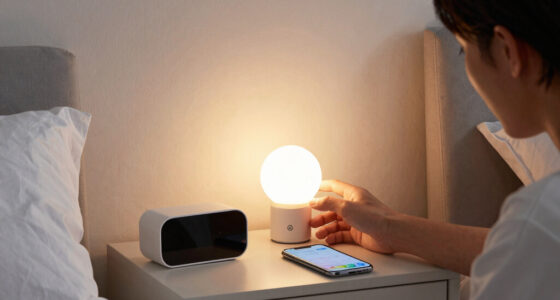
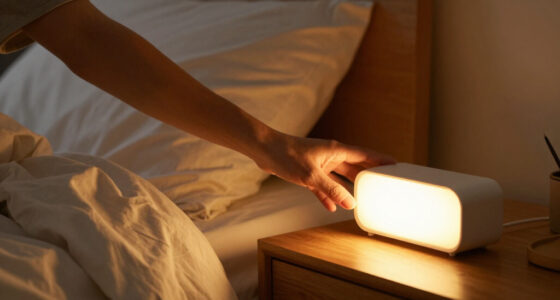
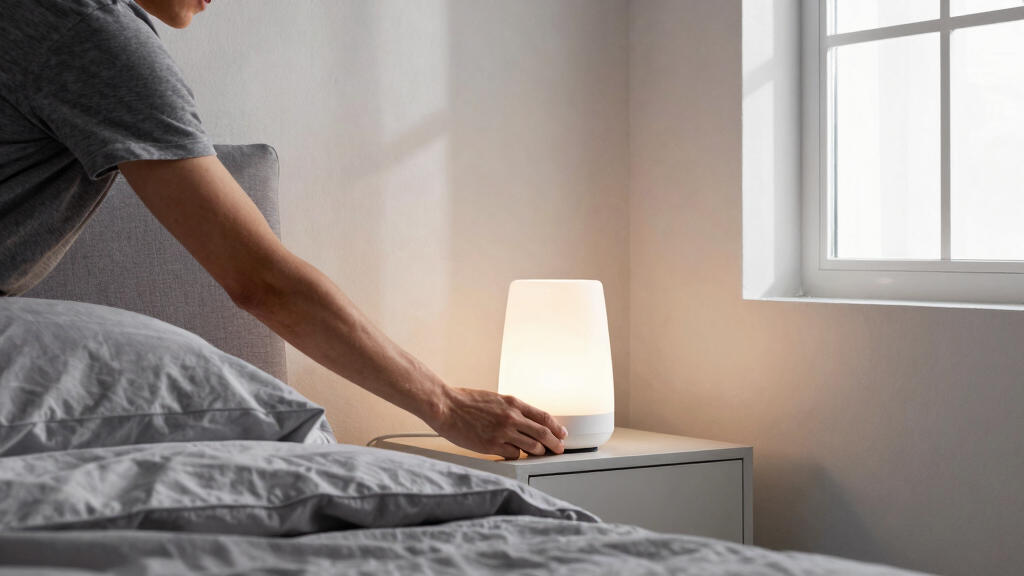
Picture someone in a dark basement, using a wake-up light set to gradually brighten over 30 minutes. As the light fills the room with a warm, amber glow, they wake up feeling more refreshed and less groggy. This combination of proper placement, timing, and consistency creates a natural, gentle awakening that can significantly improve morning alertness and overall well-being.
As an affiliate, we earn on qualifying purchases.
Compare Types of Wake-Up Lights: Which One Works Best in Dark Spaces?
| Feature | Basic Models | Advanced Models |
|---|---|---|
| Brightness | Up to 2,500 lux | Up to 10,000 lux |
| Spectrum | Single-color, warm light | Full-spectrum, blue-enriched |
| Gradual Sunrise | Yes, some models | Yes, most models |
| Smart Features | Limited or none | App control, sleep tracking |
| Design | Simple, functional | Elegant, customizable |
In a windowless space, choosing a high-lux, full-spectrum wake-up light with a reliable gradual sunrise feature is essential because it provides a more natural and effective light cue. The difference in performance can significantly impact your ability to simulate the sunrise and regulate your internal clock, especially in environments lacking external light. While basic models may suffice for occasional use, investing in a high-quality, smart device with adjustable spectrum and brightness offers a tailored experience that aligns more closely with your body’s needs, supporting better sleep and morning alertness over time.
lux light therapy lamp for basement
As an affiliate, we earn on qualifying purchases.
As an affiliate, we earn on qualifying purchases.
What Makes Bright Light in a Dark Room Actually Work?
Bright light triggers your body’s internal clock by signaling to the brain that it’s daytime, which influences hormone production, alertness, and sleep timing. The key is intensity: a light emitting at least 2,500 lux provides a sufficient signal, even in environments devoid of natural sunlight. This intensity is necessary because the human eye and brain are accustomed to processing sunlight, which can reach up to 100,000 lux at its peak. Lower levels of light may not produce a strong enough signal to entrain your circadian rhythm effectively, leading to less noticeable benefits.
Using a full-spectrum or blue-enriched light enhances this effect because these wavelengths are most effective at stimulating the retinal cells that communicate with the brain’s circadian clock. Think of it as replacing a cloudy day with a bright, clear one; the brain responds similarly to a well-designed wake-up light, adjusting hormone levels and alertness accordingly. The tradeoff, however, is that overly intense or poorly timed light exposure can disrupt sleep patterns if used improperly, so understanding the optimal intensity and timing is crucial.
sunrise alarm clock with adjustable brightness
As an affiliate, we earn on qualifying purchases.
As an affiliate, we earn on qualifying purchases.
Real-Life Success Stories: How People Use Wake-Up Lights in Dark Spaces
Take Sarah, who works nights and sleeps in her basement. She set her wake-up light to turn on 30 minutes before her alarm, choosing a model with 10,000 lux and full-spectrum light. Over time, she noticed a marked improvement in her alertness during her shifts and her ability to wake up feeling more natural. The consistent use of high-lux, full-spectrum light helped her entrain her circadian rhythm despite the absence of natural sunlight, reducing her feelings of fatigue and improving her mood.
Another example is Mike, who used a wake-up light in his windowless office during the long winter months. The warm, bright glow simulated a sunrise, which not only improved his mood but also helped maintain his focus and productivity. These stories highlight how targeted light exposure in dark environments can profoundly influence daily functioning and well-being, especially when natural light is unavailable or inconsistent.
Practical Tips for Making the Most of Your Wake-Up Light
- Place the light at eye level, about an arm’s length away, ensuring your eyes receive direct stimulation without glare.
- Use a timer to start 30-60 minutes before your alarm, allowing your body to acclimate gradually to the increasing light.
- Keep the room dark during the wake-up process — avoid flashing screens or other bright lights that can interfere with the light’s effectiveness.
- Choose a device with adjustable brightness and spectrum, tailoring the light to your comfort and circadian needs.
- Pair with a consistent sleep schedule, going to bed and waking up at the same times each day to reinforce your internal clock.
Imagine waking up in a dark basement, the soft glow gradually filling the space, easing you into the day without jarring alarms. This steady, controlled exposure can help reset your internal clock, making mornings more natural and less stressful.
Key Things to Remember When Using Wake-Up Lights in Dark Spaces
The most important factor is consistency. Regular daily use reinforces your circadian rhythm, making the wake-up process more natural over time. It typically takes about one to two weeks of consistent exposure for your internal clock to entrain effectively, especially in environments lacking external cues.
Additionally, integrating good sleep hygiene—such as maintaining consistent bedtimes, avoiding screens before sleep, and keeping your room cool and dark—amplifies the benefits of your light therapy. These habits support your body’s natural rhythms, ensuring that the light’s effects are not undermined by other lifestyle factors. The combination of reliable light cues and healthy habits helps you achieve more restorative sleep and more energized mornings, even in the darkest corners of your home.
Frequently Asked Questions
Can a wake-up light really replace natural sunlight in a basement?
While a wake-up light can mimic some effects of natural sunlight, it doesn’t provide vitamin D or all the benefits of genuine sunlight. It primarily acts as a tool to help regulate your internal clock and improve alertness. In environments like basements where natural light is absent, this artificial light becomes especially important. It helps signal to your brain that it’s daytime, promoting wakefulness and alertness. However, it’s not a complete substitute for outdoor sunlight, which provides essential vitamin D and broader environmental cues. Relying solely on a wake-up light without occasional outdoor light exposure can limit some health benefits and might not fully support circadian health in the long term. Ideally, use it as part of a broader strategy that includes outdoor light exposure when possible.
How bright should my wake-up light be for a windowless room?
For environments without natural sunlight, the brightness of your wake-up light is crucial. Aim for a device emitting at least 2,500 lux, which is generally sufficient to influence your circadian rhythm effectively. Higher lux levels, up to 10,000 lux, can provide a more robust signal, especially if your environment is particularly dark or if you’re trying to entrain your internal clock quickly. The key is to match the light intensity to your specific needs—more lux can mean a more effective and natural waking experience, but it also requires careful placement and timing to avoid overstimulation or sleep disruption. Remember, the spectrum matters too; full-spectrum or blue-enriched lights are more effective because they closely mimic natural sunlight, which is most potent at regulating circadian responses.
What if I have sensitive eyes or a sleep disorder?
If you experience eye sensitivity or have a diagnosed sleep disorder, consult a healthcare professional before starting light therapy. They can help determine the appropriate brightness and timing to avoid adverse effects. Starting with lower intensity settings and gradually increasing exposure allows your body to adapt without discomfort. For those with sleep issues, timing is especially important—using the light at the correct time of day can help reinforce your circadian rhythm, but improper use might worsen sleep problems. Personalized advice ensures that the benefits of wake-up light therapy are maximized without causing strain or disruption to your sleep cycle.
How long should I keep the light on in the morning?
Most individuals find that 20-30 minutes of exposure to a wake-up light is sufficient to influence their circadian rhythm positively. Starting this exposure 30-60 minutes before your usual wake-up time allows the light to gradually stimulate your brain, mimicking natural sunrise cues. Adjust the duration based on your personal response—some may need longer exposure to feel fully alert, while others may find 20 minutes enough. Consistency in the duration and timing helps your internal clock entrain more effectively, leading to more natural mornings and improved sleep quality over time. Remember, the goal is to replicate the gradual increase of natural sunlight as closely as possible.
Can I use a wake-up light if I work night shifts?
Yes, a wake-up light can be a valuable tool for night shift workers to help simulate a daytime environment and regulate their sleep-wake cycle. Using the light at strategic times—such as during the shift or when preparing to sleep after a night shift—can help reinforce your internal clock, making it easier to fall asleep and wake up at desired times. Proper timing is essential; exposure to bright light during your wake period can increase alertness, while avoiding light exposure when you want to sleep helps promote melatonin production. Combining light therapy with other sleep hygiene practices can improve your overall circadian alignment, making it easier to adapt to irregular schedules and reduce fatigue.
Conclusion
Even in the darkest corners of your home, a well-chosen wake-up light can bring the sunrise to you. It’s a gentle, effective way to reset your internal clock and start mornings with more energy and clarity. Remember: consistency and placement are everything — light your way to better mornings.
Imagine waking up feeling more alert, no matter how deep your basement or how overcast the sky outside. Brighten your space, brighten your day.
Cold & flu season Picks
humidifiers
As an affiliate, we earn on qualifying purchases.