
TL;DR

Get wellness gear delivered free with Prime
- Fast, free delivery on millions of items
- Prime Video, Amazon Music and more included
- Member-only deals all year
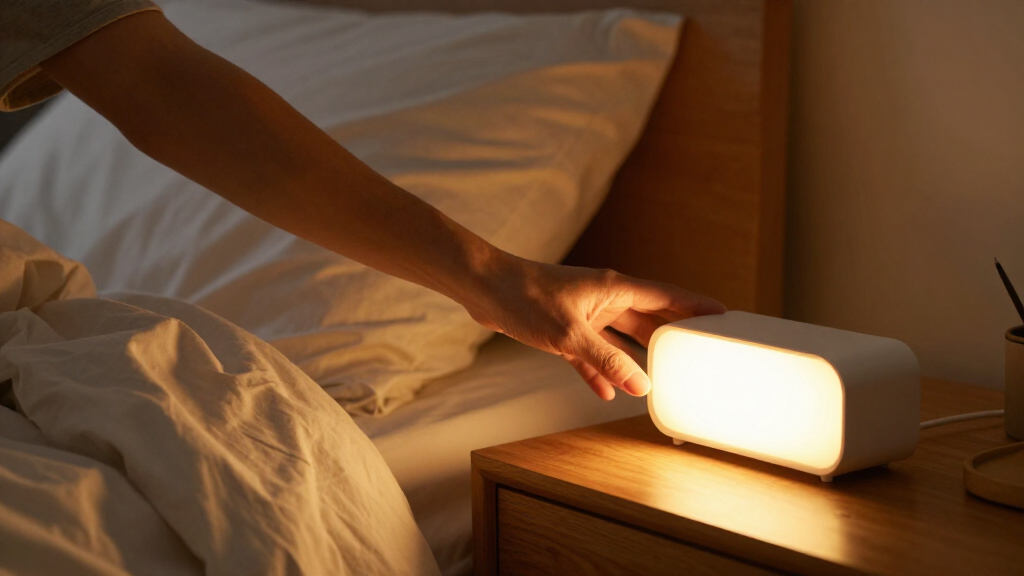
A wake-up light alarm clock gradually brightens before your alarm, aiming to imitate sunrise and make waking feel less abrupt. It may suit people who dislike sudden alarms or wake in dark rooms, but results vary, and it does not replace enough sleep, outdoor daylight, or clinically specified light therapy.
A sudden alarm can make a quiet bedroom feel like a fire station. A wake-up light alarm clock takes a different approach: it brightens gradually before your set time, aiming to imitate a sunrise rather than jolting you awake with sound alone.
This kind of clock may appeal if you get up before sunrise, dislike loud alarms, or want a gentle cue to start your day. In this blog article, you’ll learn what they are, how to compare their settings, and what the evidence can—and can’t—say about them.
The practical question isn’t whether a glowing clock works for everyone. It’s whether light, sound, and a reliable routine make your own morning feel more manageable. Think of it like opening the curtains before turning on the kitchen lights: a softer start, not a magic switch.
A wake-up light gradually brightens before your alarm and may make a dark morning feel less abrupt.
Many models offer ramp settings of roughly 15 to 60 minutes; room darkness, distance, and sensitivity shape how bright the light feels.
Compare adjustable brightness, alarm backup, display dimming, easy controls, and power-loss behavior before prioritizing smart features.
Consumer dawn-simulation clocks have limited and mixed evidence, so treat one as a possible routine aid rather than a guaranteed sleep or mood solution.
Keep an audible alarm while testing the light, and seek professional guidance for persistent sleep concerns, light sensitivity, or seasonal mood symptoms.
What a Wake-Up Light Does Before Your Alarm Rings
A wake-up light alarm clock gradually brightens before your chosen wake time, using light as a gentler morning cue. Many models add birdsong, radio, or a regular alarm sound, and some slowly dim at bedtime. The idea is to make waking feel less abrupt—not to promise that you’ll spring out of bed feeling transformed.
Light matters to your body’s daily timing, including signals connected with alertness and melatonin timing. But a bedside device is not automatically the same as a medical bright-light therapy lamp. Consumer models differ in brightness, timing, and design, and people respond in different ways.
For example, imagine your alarm is set for 6:30 a.m. You choose a 30-minute ramp, so the room begins to glow around 6:00, moving from warm, dim light toward a brighter tone. If you’re a light sleeper, that gradual change may be more pleasant than a loud buzzer; if you sleep through daylight, the sound still matters.
Many clocks let you select a ramp of roughly 15 to 60 minutes. A longer ramp changes the room more slowly, while a shorter one gets brighter closer to your wake time. The right setting depends on your room, clock placement, and preference—not a universal rule. [1]
A sunrise-style alarm changes how your morning begins; it does not guarantee how you’ll feel afterward.
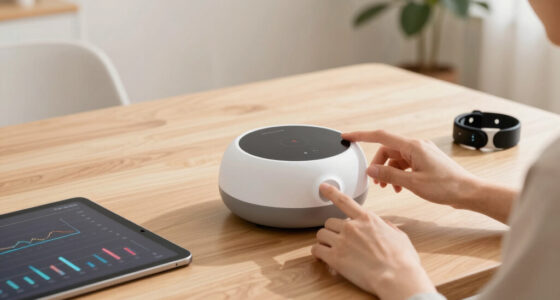
wake-up light alarm clock with sunrise simulation
As an affiliate, we earn on qualifying purchases.
As an affiliate, we earn on qualifying purchases.
Why a Gradual Light Cue Can Feel Better Than a Sudden Buzzer
A wake-up light can make a dark-room morning feel less abrupt by adding a gradual visual cue before the alarm sounds. People often try one because they dislike a loud alarm, wake before sunrise, or want a sound-and-light combination. Whether that feels better is personal, and the clock can’t guarantee improved sleep or morning energy.
Think of the difference like easing into a cold swimming pool instead of jumping in: the destination is the same, but the first moment feels different. A dark winter bedroom can be especially stark at 6 a.m.; a slowly brightening corner may make the alarm feel less like an interruption. The light also gives you a cue that morning is approaching, while a soft bird call or low-volume tone can provide backup.
Still, the clock is only one part of the setup. If you go to bed late, wake at wildly different times, or sleep in a room where the light barely reaches you, the device may not change much. A consistent schedule, enough time for sleep, and daylight after getting up remain useful parts of a morning routine.
Research on light and the body’s daily timing supports the importance of light as a cue, but findings on consumer dawn-simulation clocks are limited and mixed. Studies vary in devices, brightness, timing, and outcomes. That means it’s sensible to treat the clock as a comfort aid to test, not a proven answer for every difficult morning. [1]
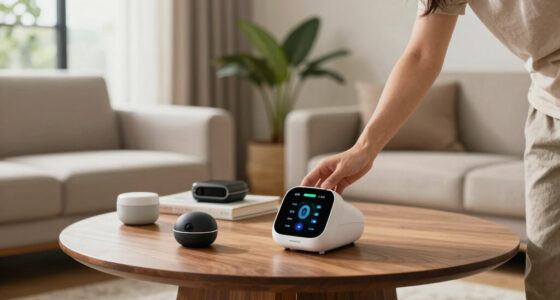
As an affiliate, we earn on qualifying purchases. As an affiliate, we earn on qualifying purchases.gradual wake-up alarm clock with dimmable display
Compare These Features Before You Choose a Clock
The best wake-up light for you is the one with settings you can adjust, an alarm you trust, and controls you can use half-asleep. Start with ramp duration, brightness, backup sound, display dimming, and what happens after a power cut. Smart-home extras can be handy, but they matter less if the basic alarm is hard to set.
Imagine you share a room with someone who prefers darkness. A clock with a display that dims or turns off may suit both of you better than a bright screen that glows all night. Or, if you work early and keep your phone outside the bedroom, on-device controls and a dependable audible alarm could matter more than app routines.
| Feature | What to check | Why it matters |
|---|---|---|
| Brightness and ramp | Maximum brightness and adjustable duration | A long ramp may feel gentler; a brighter room may need a more noticeable light. |
| Alarm backup | Sound choices, volume, and alarm reliability | Light alone may not wake every sleeper. |
| Display and controls | Display dimming and easy on-device settings | A glowing screen or app-only controls can be frustrating at night. |
| Power behavior | Whether settings survive an outage and alarms work offline | You don’t want a Wi-Fi problem to cancel your morning alarm. |
Some clocks shift from warm tones toward brighter white light; the actual appearance varies by model. A sunset feature may dim the lamp at bedtime, but it does not cancel late caffeine or an irregular schedule. Check current specifications and warranty details directly, since product features and availability change. [1]
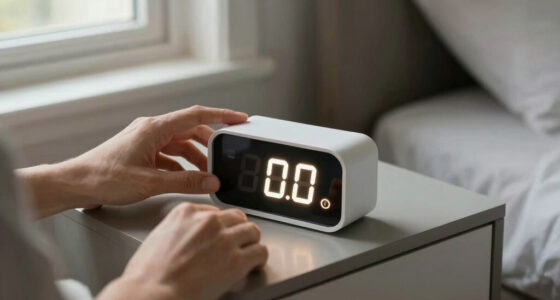
As an affiliate, we earn on qualifying purchases. As an affiliate, we earn on qualifying purchases.alarm clock with backup sound and dimming feature
Set Up Your Light So It Fits Your Real Morning
To test a wake-up light, place it where its glow reaches you, set a gradual ramp, keep a sound backup at first, and adjust after several mornings. A clock hidden behind a stack of books or pointed at the wall may not create the cue you expect. Treat the first week as a small experiment rather than a pass-or-fail test.
- Choose your wake time. Set the alarm for the time you actually need to get up, not an aspirational time you rarely keep.
- Pick a starting ramp. Try a middle setting, such as 30 minutes, then make it shorter or longer based on how noticeable it feels.
- Place the clock thoughtfully. Keep it within the maker’s recommended distance and angle, with the light directed toward the bed rather than blocked by furniture.
- Keep an audible backup. Use a familiar alarm sound while you learn whether the light alone wakes you reliably.
- Review after several mornings. Notice whether the brightness feels pleasant, too faint, or disruptive to someone sharing the room.
For instance, a parent who gets up before the children might begin with a 20-minute ramp and a quiet sound, then move the clock farther from the bed if the display bothers a partner. A heavy sleeper may need a louder backup and a brighter setting, while a light-sensitive sleeper may prefer a longer ramp and lower brightness.
Change one setting at a time so you can tell what helps. Keep your wake time reasonably steady where your life allows, and open the curtains or step outside after getting up when possible. A lamp can make the bedroom feel brighter; it doesn’t replace outdoor daylight or sufficient sleep. [1]
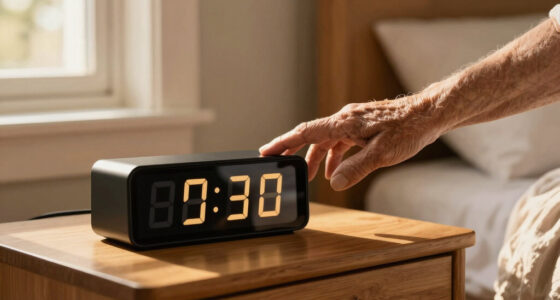
As an affiliate, we earn on qualifying purchases. As an affiliate, we earn on qualifying purchases.sunrise alarm clock for dark rooms
Know What a Wake-Up Light Can’t Promise
A wake-up light can offer a gradual cue, but it cannot guarantee better sleep, improved mood, or an easier morning for everyone. Evidence for consumer dawn-simulation clocks is mixed, and the devices vary. Claims that a newer app, sunset mode, or collection of sounds will produce a health outcome deserve caution.
That distinction matters if you’re looking for help with seasonal mood symptoms, persistent insomnia, or severe trouble waking. A consumer wake-up light is not necessarily equivalent to a clinically specified light-therapy device. If you’re seeking care for seasonal affective disorder or another ongoing concern, ask a healthcare professional about suitable options rather than relying on a bedside product.
Light sensitivity also deserves care. If you have an eye condition or take medication that increases sensitivity to light, get appropriate professional advice before using intense light. If you’re a shift worker whose sleep and wake times move around, light timing may not fit a fixed sunrise routine; persistent sleep difficulties are a good reason to seek individual guidance.
For a practical example, a person working rotating night shifts may find a fixed 6:30 a.m. sunrise routine unhelpful on days when they need to sleep later. A regular alarm, blackout curtains, and a schedule suited to their shift may be a better starting point. The device should support your circumstances, not force your life into a standard morning. [1]
Decide Whether It’s Worth Trying in Your Bedroom
A wake-up light is worth considering if you want a softer alarm cue, wake in a dark room, and can keep a steady enough schedule to test it. It may be a poor fit if your mornings change constantly, you need a highly reliable loud alarm, or any light disrupts your sleep. The decision comes down to how your room and routine work in practice.
Ask yourself what you want the clock to change. If you mainly hate the sudden noise of a phone alarm, try a gradual light with a gentle sound. If your problem is that you regularly sleep too little, a brighter lamp won’t add the missing hours. If you want bedtime support, a dimming routine may feel calming, though it can’t resolve every reason you stay awake.
Consumer models increasingly combine app control, smart-home features, sleep sounds, sunset dimming, USB charging, radio, or voice assistants. These features describe product trends, not proof that newer clocks improve health outcomes. A simple model with reliable buttons may suit you better than a feature-packed one you rarely configure. [1]
- Try a gradual light if abrupt alarms bother you and your room gets little morning sun.
- Keep a sound backup if you’re a heavy sleeper, sharing a room, or testing a new device.
- Check the basics: brightness range, ramp length, display dimming, controls, and power-loss behavior.
- Skip the health promises and choose based on comfort and reliable everyday use.
Current specifications and prices change, so check the manufacturer’s details and return policy before buying. You’re choosing a morning tool, not a guarantee. A good fit should make your bedroom routine feel easier without asking you to depend on features you don’t need.
Frequently Asked Questions
Do wake-up light alarm clocks actually work?
Some people find gradual light more pleasant than a sudden alarm, but the experience varies. Research on consumer dawn-simulation clocks is limited and mixed, so no model can promise better sleep or easier waking for everyone.
How long should a wake-up light take to brighten?
Many clocks let you choose a ramp of roughly 15 to 60 minutes. Start around the middle of that range, then adjust depending on whether the glow feels too sudden, too faint, or comfortable in your room.
Can a wake-up light replace my regular alarm?
It can if you reliably wake to the light, but keep an audible backup while testing it. Sound is especially useful for heavy sleepers or when the room is already bright.
Can a wake-up light treat seasonal affective disorder?
A consumer wake-up light is not necessarily the same as a clinically specified light-therapy device. If you’re seeking help for seasonal affective disorder, ask a healthcare professional about evidence-based options and suitable light intensity and timing.
Will the sunset setting help me fall asleep?
A gradual dimming feature may support a calming bedtime routine, but its effect isn’t assured. It can’t make up for factors such as late caffeine, stress, or a frequently changing sleep schedule.
What should a heavy sleeper look for?
Check the alarm’s sound options, volume, and reliability, and keep an audible alarm as backup. Place the light where it reaches you; a clock far away or blocked by furniture may be easy to miss.
Conclusion
Choose a wake-up light for the morning experience you want, not for promises it cannot make. Start with a sensible ramp, place it where the glow reaches you, and keep a sound backup until you know how you respond.
If the first light of morning makes your room feel a little less like midnight, that’s a useful change. Let the clock be a gentle nudge—not the whole plan.
Columbus Day / Indigenous Peoples' Day Picks
long weekend sales
As an affiliate, we earn on qualifying purchases.