
TL;DR

Get wellness gear delivered free with Prime
- Fast, free delivery on millions of items
- Prime Video, Amazon Music and more included
- Member-only deals all year
Wake-up light alarm clocks gradually brighten a room before a set wake time, often over about 20 to 40 minutes, and may make waking feel gentler for some people. Their effect depends on brightness, placement, room conditions, and the sleeper, so choose adjustable controls and keep an audible alarm as backup while you learn how you respond.
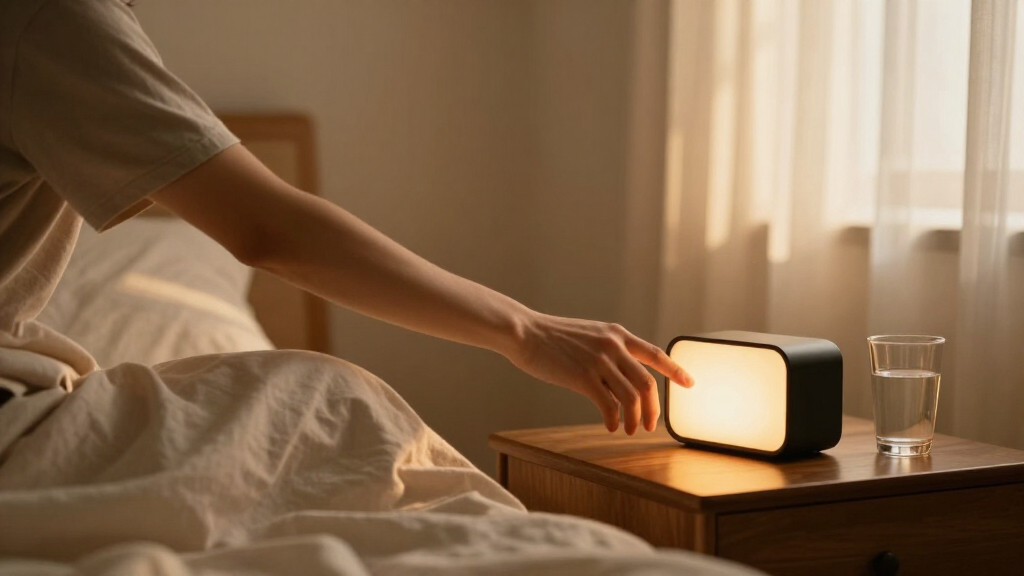
Your alarm can start the day with a blaring noise—or with a soft wash of light that slowly spreads across the wall. Wake-up light alarm clocks use that second approach, brightening before your set alarm time to make waking feel gentler by changing what you experience as morning approaches.
This guide explains how the light ramp works, what it can and cannot do, and which practical details matter more than a crowded feature list. You’ll also get a simple setup plan, advice for heavy sleepers and dark rooms, and a realistic way to decide whether an up light alarm fits your routine.
Think of one as a sunrise cue, not a magic switch: it can support a calmer wake-up, but its effect varies from person to person. A reliable sound alarm still earns its place while you test the light.
A wake-up light typically brightens across a 20–40 minute ramp, but brightness and timing vary by model.
Keep an audible alarm as backup until you know whether the light wakes you reliably.
Place the clock where its light can reach your sleeping area without obstruction, and follow the maker’s distance guidance.
Prioritize simple controls, adjustable light, display dimming, and sound backup over features you will rarely use.
A consumer wake-up clock is not the same as a clinical light-therapy device; seek professional guidance for relevant health concerns.
What a Wake-Up Light Does Before Your Alarm Rings
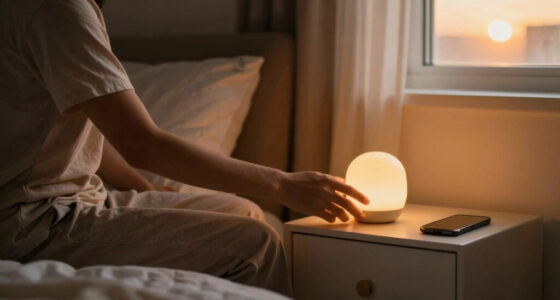
A wake-up light alarm clock gradually raises its brightness before your chosen wake time, often across a ramp of about 20 to 40 minutes. Instead of switching from dark to bright all at once, it makes the room grow lighter as the alarm time gets closer. Many models pair the light with an audible alarm, and some add sunset lighting or nature sounds.
The idea is simple: the light acts like a gentle opening curtain for your morning. For instance, if your alarm is set for 7:00 a.m. and you choose a 30-minute ramp, the clock begins brightening around 6:30. The gradual change may feel less abrupt than a loud alarm in a dark room, although it does not guarantee that you will wake before the sound.
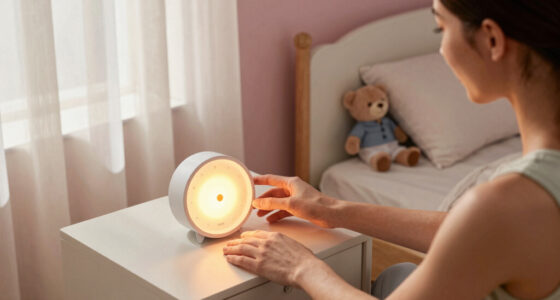
What matters is the light reaching your sleeping area. A clock on a dresser across a large bedroom, or tucked behind a stack of books, may not have the same effect as one placed where its light can spread toward you. Closed eyelids do not block every trace of light, but the amount that reaches your eyes varies. An eye mask or blackout curtains can also change what you notice.
So, when you read that clocks are designed to make waking feel gentler by gradually brightening before the alarm, treat that as a description of the feature—not a promise of a particular result. One person may notice a soft orange glow and wake calmly; another may sleep through it and need the sound alarm.
wake-up light alarm clock with sunrise simulation
As an affiliate, we earn on qualifying purchases.
As an affiliate, we earn on qualifying purchases.
What the Light Can Help With—and What It Cannot Promise
Wake-up light alarm clocks can make the start of the day feel more gradual for some sleepers, but they are not guaranteed to wake everyone. The experience depends on the clock’s brightness, its distance and direction, the room, and your own response to light. Morning light can also play a part in the body’s daily timing, but a bedside clock is not automatically a treatment device.
That distinction matters. A consumer sunrise clock and a clinical bright-light therapy device can differ in intensity, distance, timing, and intended use. If you’re looking at an up light alarm because of a health concern, don’t assume the bedside model fills the same role as professional guidance. People with eye conditions, bipolar disorder, or medications that increase light sensitivity should check with a health professional before using bright-light therapy.
Consider a winter weekday: Maya wakes in a bedroom with heavy curtains and says the warm glow makes the alarm feel less jarring. Her partner, who faces away from the clock and sleeps deeply, barely notices it. Both experiences make sense; the clock’s effect depends on the person and the setup, not just the product description.
Use light as a cue and sound as a safety net until you know your pattern. Keep your regular alarm for a week or two and notice whether you wake before it, feel more comfortable, or simply appreciate the softer light. That’s useful feedback, even if the clock doesn’t replace your alarm.
alarm clock with adjustable brightness and sound backup
As an affiliate, we earn on qualifying purchases.
As an affiliate, we earn on qualifying purchases.
Which Features Make a Wake-Up Light Easier to Live With?
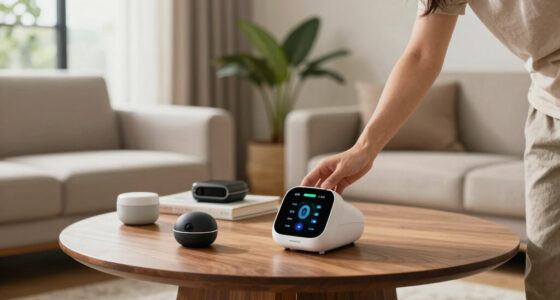
The most useful wake-up light features are adjustable brightness, a flexible ramp, an easy sound backup, and controls you can use without reaching for your phone. Extras such as speakers, app scheduling, colored light, or smart-home links can be convenient, but they do not matter much if changing tomorrow’s alarm takes a frustrating trip through menus.
Picture a tired parent setting an earlier alarm for a school trip. A clear button on the clock is simpler than opening an app, finding the right schedule, and checking whether the clock is connected to Wi-Fi. A shift worker may value multiple schedules more than sunrise colors. Your best feature list depends on what you actually do at bedtime.
| Feature | Why it helps | What to check |
|---|---|---|
| Adjustable ramp | Lets you try a slower or quicker brightening period. | Look for a range near the commonly offered 20–40 minutes. |
| Sound alarm | Provides backup if the light alone does not wake you. | Check volume and whether you can choose a tone. |
| Display dimming | Keeps the clock face from glowing brightly at night. | See whether it can go very dim or turn off. |
| On-device controls | Make basic changes without an app or internet connection. | Try to confirm that alarm settings remain accessible offline. |
| Power backup | May preserve alarm settings or operation during an outage. | Check what the backup actually supports; models vary. |
Think about the tradeoff behind each choice. A longer ramp offers more time for a gradual change, but it also means the light begins earlier and may disturb someone sharing the room. A brighter setting can make the cue more noticeable, yet the glow may be uncomfortable at close range or make the clock harder to use as a bedside lamp. Start with adjustable settings so you can find a useful middle ground rather than assuming maximum brightness or the longest ramp is best.
Recent models may add phone control, smart-home support, audio, or sunrise-and-sunset routines. Those can add convenience, but they can also mean more setup, app dependence, or privacy questions. Before buying, check current app requirements, compatibility, warranty terms, and what the clock can do if your internet goes down. A feature is valuable when it solves a real routine problem; otherwise, its cost and setup can outweigh the convenience.
sunrise alarm clock for dark rooms
As an affiliate, we earn on qualifying purchases.
As an affiliate, we earn on qualifying purchases.
How to Set Up Your Clock for a More Noticeable Sunrise
To get a clearer sunrise cue, give the light an unobstructed path toward your sleeping area and test the ramp alongside your usual alarm. Placement and a few simple settings can matter more than adding another smart feature. Follow the maker’s guidance on distance, and don’t aim an intensely bright light directly into your eyes.
- Choose a clear spot. Put the clock on a bedside table or another stable surface where blankets, furniture, or your pillow won’t block it.
- Set a realistic ramp. Try 20 to 30 minutes first; extend it toward 40 minutes if you prefer a slower change and have the time.
- Keep an audible backup. Set the sound alarm for your required wake time while you learn whether the light gets your attention.
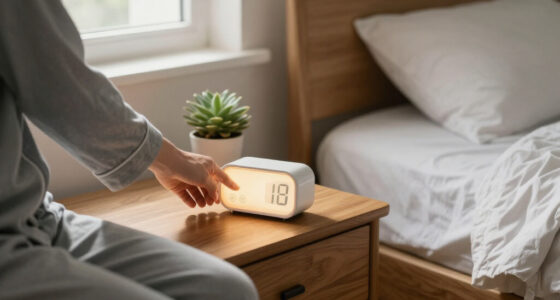
- Make nighttime comfortable. Dim or switch off the display if it casts a bright patch across your pillow.
- Review after several mornings. Notice whether you woke before the sound, slept through the glow, or found the transition less abrupt.
For instance, if you use blackout curtains, the room may start very dark, making the clock’s glow more noticeable. Yet a clock behind your head can still send much of its light the wrong way. Move it where the light can reach your field of view, then give the setup a few mornings before changing several settings at once.
That gradual testing is useful because a wake-up light has competing goals: it should be noticeable enough to serve as a cue, but not so intrusive that it keeps you or a bed partner from sleeping comfortably. Changing one setting at a time—first placement, then ramp length or brightness—helps you identify what actually improves the experience. If you adjust everything at once, it is harder to tell whether the result came from a better position or simply a brighter setting.
Think of setup like tuning a small lamp rather than programming a sunrise in the sky. The clock has limits, and your room shapes the result. If you wear an eye mask, share a room with someone who needs darkness, or sleep far from the clock, the light cue may be less useful; keep the sound plan that works for you.
As an affiliate, we earn on qualifying purchases.
Choose a Clock That Fits Your Sleeper and Your Room
The right wake-up light is the one that matches your waking habits, room layout, and comfort with technology—not the one with the longest feature list. A light-sensitive sleeper may prefer adjustable brightness and a long ramp, while a heavy sleeper should give more weight to a dependable sound alarm. Someone who shares a bedroom may care most about a dim display and quiet controls.
These priorities can conflict, so start with the constraint that matters most. A heavy sleeper may want a stronger light and loud sound, while a partner needs a dark, quiet room. In that case, a highly featured clock cannot remove the basic tradeoff; consider whether placement can direct light toward one sleeper, whether the display can be dimmed, and whether a separate alarm is more practical than making the shared room brighter. Likewise, app controls may suit someone who manages changing schedules but add friction for someone who wants a reliable, simple bedside device.
For example, a night-shift worker who sleeps during daylight may keep blackout curtains closed and use a timed light as one part of a routine. That can provide a consistent artificial cue, but it does not automatically solve the challenges of a changing work schedule. If your schedule or sleep concerns need individual guidance, a consumer clock is not a substitute for tailored professional advice.
Before choosing, ask yourself:
- Will the light reach me? Check the clock’s placement, room size, and anything that could block its glow.
- Do I need sound backup? If you sleep heavily or cannot risk missing an alarm, choose an adjustable audible alarm.
- Can I use it easily when tired? Look for readable, tactile controls and a simple way to change schedules.
- Do I want an app? Confirm whether the clock works without a phone, account, or internet connection.
- Will the display bother me at night? Check for dimming or an option to turn it off.
Use your answers to rank features rather than treating every checkbox as equally important. For example, reliable sound and simple controls may matter more than a broad color range if missing work is the main concern. If the room is shared, dimming and directional placement may outrank maximum brightness. This keeps the purchase focused on the problem you need to solve, not on features that sound impressive but add little to your routine.
Price and ongoing costs vary with the feature set, so compare what you will use rather than paying extra for an unused speaker or smart-home link. A basic clock with clear controls and a sound backup may suit you better than a more connected model that adds bedtime setup chores. Look at current product details rather than relying on old lists, since models and software support change.
Frequently Asked Questions
Do wake-up light alarms actually work?
They can help some people wake more gradually, but results depend on brightness, placement, room conditions, and the sleeper. Try the light alongside your regular sound alarm before relying on it alone.
Can a wake-up light replace my regular alarm?
Not reliably for everyone. Keep an audible backup, especially if you sleep heavily, have a fixed start time, or are still learning how you respond to the light.
How long should the sunrise simulation last?
Many clocks offer ramps around 20 to 40 minutes. Try a shorter setting if your morning schedule is tight, or a longer one if you prefer a slower brightening period.
Will a wake-up light work through closed eyelids?
Some light can reach the eyes through closed eyelids, but the amount varies. An eye mask, a clock facing away from you, or a very large room can make the cue less noticeable.
Is a wake-up light the same as a SAD lamp?
No. Wake-up clocks and clinical light-therapy devices can differ in brightness, distance, timing, and intended use. If you are considering bright-light therapy for a health concern, ask a health professional for guidance.
Where should I put my wake-up light?
Place it on a stable surface where its light can reach your sleeping area without being blocked, and follow the manufacturer’s distance guidance. Avoid aiming an intensely bright light directly into your eyes.
Conclusion
Start with a simple test: place the clock where the light can reach you, choose a comfortable ramp, and keep your sound alarm until you know how you respond. A wake-up light may turn a sharp morning interruption into a softer cue, but your room and routine still shape the result.
Let the clock brighten the room; let your backup alarm protect the schedule. A gentler morning should feel like dawn arriving at the window, not a promise that every alarm will wake every sleeper.
Fall Picks
fall essentials
As an affiliate, we earn on qualifying purchases.