
TL;DR

Get wellness gear delivered free with Prime
- Fast, free delivery on millions of items
- Prime Video, Amazon Music and more included
- Member-only deals all year
Wake-up light alarm clocks gradually brighten your room before your wake time, easing the transition from sleep to alertness. They can improve mood, reduce sleep inertia, and make mornings more comfortable—if used correctly. Choosing the right model and placement is key for best results.
Ever wake up feeling groggy, even after a full night’s sleep? Imagine easing into your mornings with a gentle glow instead of a jarring buzzer. Wake-up light alarm clocks are designed to do just that—mimicking sunrise to help you wake more naturally.
These devices aren’t magic, but they can support your sleep routine, especially during dark winter mornings or for anyone sensitive to abrupt alarms. In this article, you’ll learn how they work, what benefits they offer, and how to pick the right one for your lifestyle.
Choose a wake-up light with adjustable brightness, duration, and color temperature for best comfort and effectiveness.
Place the device roughly one meter from your face, at eye level, for optimal light exposure without glare.
Pair your light with a backup sound alarm if you’re a deep sleeper or unsure about its waking power.
Consistency in timing and routine enhances the benefits of dawn simulation—use it every day, even weekends.
Consult a healthcare professional before using if you have eye conditions, mood disorders, or sleep problems.
How Wake-Up Light Alarm Clocks Brighten Your Mornings
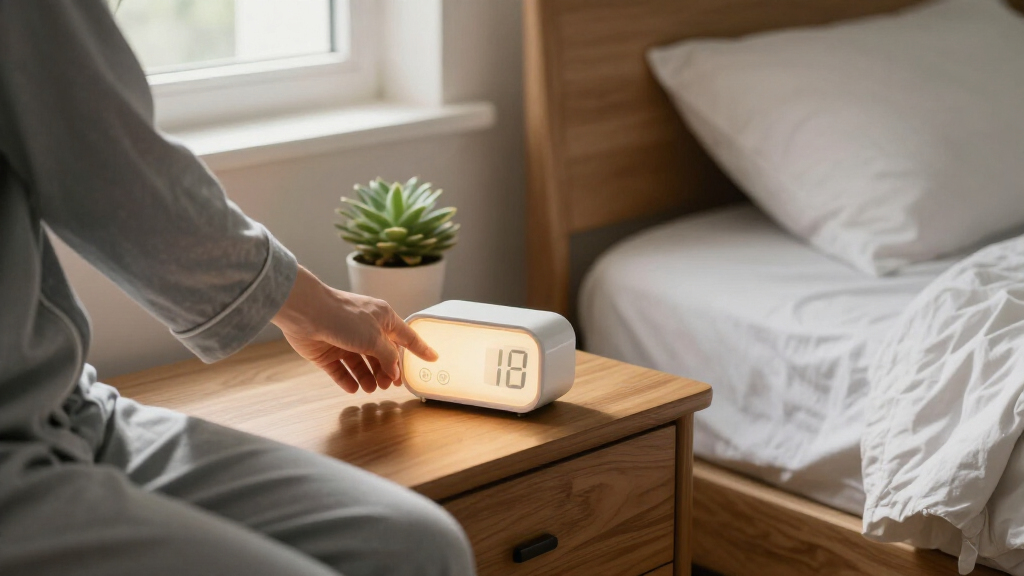
Wake-up light alarm clocks start their magic **20 to 60 minutes before your set wake time**. They gradually increase brightness, mimicking the sunrise, so your eyes perceive the room getting lighter.
The light’s spectrum, brightness, and timing influence how your body responds. It’s not the same as actual sunlight, but enough to signal your brain that dawn is breaking. Many models combine this with gentle sounds or nature noises to amplify the effect.
For example, a typical sunrise clock might begin with a soft amber glow, slowly brightening into a bright white over half an hour. You wake up feeling less startled and more ready to face the day.
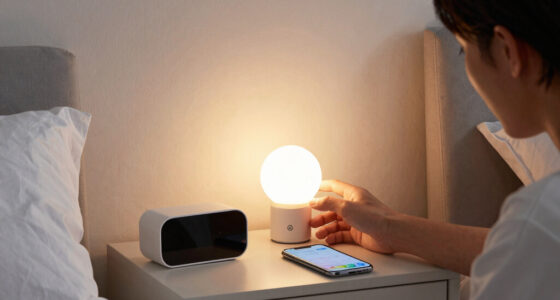
wake-up light alarm clock with sunrise simulation
As an affiliate, we earn on qualifying purchases.
As an affiliate, we earn on qualifying purchases.
Why Using a Wake-Up Light Can Make Your Mornings Less Stressful
Research suggests dawn simulation can **reduce sleep inertia**—that groggy feeling right after waking. Instead of being jolted awake by a loud alarm, you ease out of sleep gradually.
This gentle transition can improve your mood and alertness. It’s like waking up with the sunrise, rather than a sudden explosion of sound.
For instance, someone who struggles to wake during dark winter mornings might set their light to start 30 minutes early. Over time, mornings become less stressful, and waking up feels more natural.
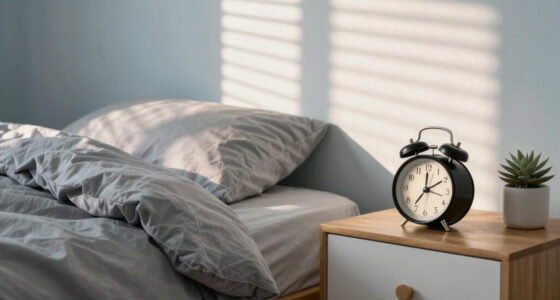
sunrise alarm clock with adjustable brightness
As an affiliate, we earn on qualifying purchases.
As an affiliate, we earn on qualifying purchases.
How Bright Should Your Wake-Up Light Be and Where to Place It
Brightness is measured in **lux**, which tells you how much light reaches your eyes. Most wake-up clocks max out between **100 and 300 lux**, enough to simulate sunrise without discomfort.
Placement matters. Keep the clock **near your face, at eye level**, but avoid staring directly into the light. Position it so the light hits your eyes indirectly, perhaps from a side table or across the room.
A good example: placing the clock about **one meter away**, angled toward your face, allows enough light without glare. Experiment with brightness and distance to find what feels natural.
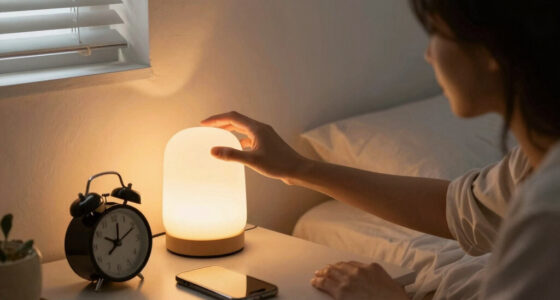
light therapy alarm clock for winter mornings
As an affiliate, we earn on qualifying purchases.
As an affiliate, we earn on qualifying purchases.
Timing and Routine: Making Your Wake-Up Light Work for You
Set your sunrise simulation to last **20 to 30 minutes**. If you’re a deep sleeper or wake with difficulty, extend it to **up to 60 minutes**.
Consistency is key. Use the same wake time daily, even on weekends, to help your circadian rhythm stay regular. Pair your light with bright daytime exposure and dimmer lights at night for best results.
For example, if you go to bed at 10 p.m., set your clock to start brightening at 6:30 a.m. for a 7 a.m. wake. Over a week, your mornings will feel more natural and less rushed.
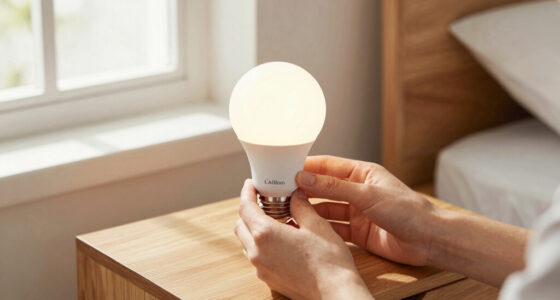
alarm clock with natural sounds and sunrise feature
As an affiliate, we earn on qualifying purchases.
As an affiliate, we earn on qualifying purchases.
The Spectrum of Light: What Colors and Brightness Do Best
Many wake-up lights shift from warm red and amber tones to brighter white as they simulate sunrise. The **color and spectrum** influence how your body perceives the wake-up cue.
Blue-enriched light is more effective at signaling alertness because it mimics the natural daylight that suppresses melatonin and promotes wakefulness. However, it can feel harsh or overstimulating if too bright or used improperly, potentially disrupting sleep if used too late in the morning. Warm tones are gentler and more comfortable, especially early in the morning, helping you wake up without startling your senses.
Adjustable color temperature allows you to customize your experience. For example, start with a warm amber glow that gradually transitions to bright white, aligning with natural sunrise patterns. This gradual shift helps your body adapt smoothly, making waking up less abrupt and more in tune with your circadian rhythm.
Sound or No Sound? When to Use Backup Alarms
While a wake-up light can help many, some sleepers—especially heavy sleepers—may need a backup sound alarm. Brightness alone might not rouse them if they’re deeply in sleep.
Look for models with **gradually increasing volume**, nature sounds, radio, or gentle tones. It’s wise to keep a secondary alarm until you’re confident the light alone can wake you.
For instance, set a backup sound with a gentle tone at a moderate volume, just in case the light isn’t enough during your deepest sleep phases.
Wake-Up Light vs. Other Devices: What’s the Difference?
| Device | Main Purpose | Key Feature |
|---|---|---|
| Wake-up light | Gentler waking | Gradually brightens before alarm |
| Standard alarm clock | Reliable wake-up | Sound or vibration at set time |
| SAD lamp | Therapeutic light for mood | High lux, structured daily use |
| Smart bedside lamp | Lighting & automation | Adjustable sunrise, app control |
New Features Making Wake-Up Lights Smarter Than Ever
Modern wake-up lights increasingly include **app control, sunset simulations, and smart home integration**. Some offer **multiple alarms, color temperature adjustment**, and even **sleep tracking**.
For example, a recent model might let you set different routines for weekdays and weekends, or sync with your smart speaker. These innovations aim to make waking up more personalized and seamless.
However, beware of over-promising features like sleep stage detection—most are not clinically validated and should be viewed as convenience tools.
What to Look for When Buying Your Perfect Wake-Up Light
Focus on key features:
- Maximum brightness at your typical distance
- Adjustable sunrise duration and brightness
- Comfortable color options
- Reliable backup sound
- Physical controls that work in the dark
- Dimmer or turn-off display
Also check for **battery backup**, **multiple alarms**, and **local operation** without mandatory app dependence. A good warranty and safety certificates are important too.
Remember: marketing terms like “full spectrum” don’t guarantee effectiveness. Test the device in your home first if possible.
Safety Tips and When to Seek Professional Advice
Wake-up lights are generally safe, but if you have eye conditions, take medication that increases light sensitivity, or have mood disorders, consult a healthcare professional first. Bright light can influence mood and circadian timing.
If you experience discomfort like headaches, eye strain, or agitation, stop use and seek advice. People with sleep disorders or severe insomnia should view these devices as supportive tools, not cures.
For example, if a bright light causes migraines, switch to a dimmer setting or try a different placement.
Your Questions About Wake-Up Light Alarms Answered
- Do sunrise alarm clocks really work? Yes, they can help some people wake more gently and feel more alert, especially in dark mornings. Results depend on individual sleep patterns.
- Can it wake a heavy sleeper? Possibly, but a strong sound backup is recommended until you see how well it works.
- Does it work through closed eyelids? Some light passes through, but most waking comes from the room brightening, so placement matters.
- How long should the sunrise be? 20-30 minutes is typical, but extend to 60 minutes if needed.
- Is a wake-up light safe for children? Yes, but choose age-appropriate controls, moderate brightness, and sturdy construction.
Conclusion
A wake-up light alarm clock won’t turn your mornings into a spa day, but it can help you wake more naturally and start your day with less stress. Think of it as a gentle nudge rather than a sonic shock—that’s the secret to making mornings more humane.
Pick a model that suits your sleep schedule and room setup. With a little experimentation, you’ll find a routine that makes waking up less of a chore and more a moment to enjoy—a soft glow, a fresh start, and a brighter day ahead.
Fall Picks
fall essentials
As an affiliate, we earn on qualifying purchases.