
TL;DR
Listen free for 30 days with Audible
Thousands of audiobooks and originals — cancel anytime.
Start your free trialAs an affiliate, we earn on qualifying purchases.
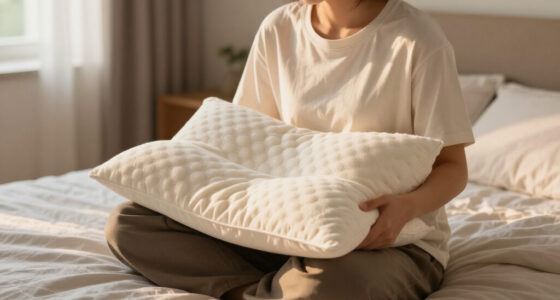
Cooling pillows don’t actively chill but improve sleep comfort by absorbing heat, promoting airflow, or managing moisture. Gel, ventilated foam, and breathable fills each offer unique benefits, suited to different sleep needs.
Ever wake up feeling like your pillow’s a little too warm, sticky, or just plain uncomfortable? You’re not imagining it. Our heads are like heat engines, and some pillow materials trap that warmth like a sweater in summer. Luckily, passive cooling options are evolving fast, offering real relief without the noise or energy of active systems.
In this guide, you’ll learn how gel, ventilated foam, and breathable fills work to keep your head cooler overnight. Plus, I’ll walk you through what makes each type different, so you can find your perfect match for a more restful, temperature-neutral sleep.
Passive cooling pillows manage heat through materials, airflow, or moisture wicking, not active refrigeration.
Gel layers offer quick initial coolness but may warm up fast; ventilated foam and breathable fills support ongoing airflow.
The cover fabric plays a crucial role; breathable, lightweight materials enhance cooling effects.
Support and sleep position influence which pillow type and loft work best—adjustability helps tailor comfort.
Always check for safety certifications and consider trial periods to find the best fit without surprises.
Cooling Pillows: Gel, Ventilated Foam & Breathable Fills
Cooling pillows do not refrigerate your head. They improve comfort by absorbing heat temporarily, creating escape routes for warm air, moving moisture away from skin—or combining all three.
Cool is not one single sensation
Initial coolness, airflow and moisture management solve different parts of the heat problem. The right pillow depends on when—and why—you become uncomfortable.
Gel
Draws warmth from skin on contact, creating the strongest immediate cool-to-the-touch sensation. The effect fades as the gel approaches body temperature.
- Surface layers feel cooler than deeply dispersed particles
- Dense foam may still hold heat beneath the gel
- Best for sleepers who feel hot at bedtime
Ventilated foam
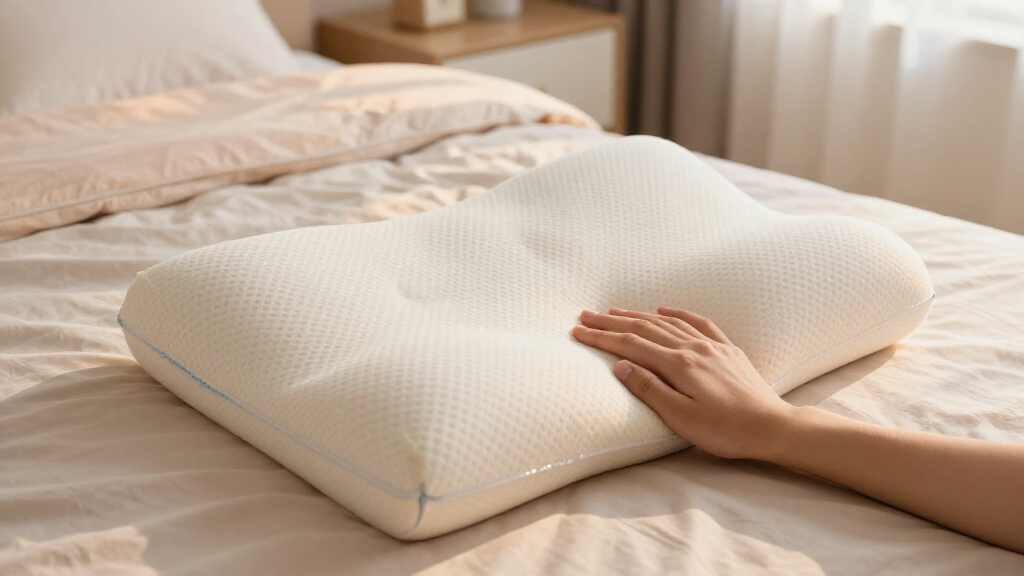
Perforations, channels, open cells or shredded pieces create pathways that let warm air escape throughout the night.
- Shredded foam adds airflow and adjustability
- Latex is springier and typically more breathable
- Tight protectors can block ventilation holes
Breathable fills
Loose natural or synthetic materials allow air movement while helping perspiration move away from the skin.
- Includes wool, kapok, down and buckwheat
- Less enveloping than dense memory foam
- Maintenance, weight and noise vary by fill
The first minute is not the whole night
These directional scores visualize relative strengths rather than laboratory ratings. Material density, compression, room climate and cover construction can shift real-world performance.
Relative cooling strengths
A pillow may feel neutral—not icy—yet perform better over several hours because it continually releases heat and moisture.
Which technology fits your sleep?
Choose around your priority: an instant cool sensation, dependable foam support, or a looser structure that moves both air and moisture.
| Performance factor | Gel layer / infusion | Ventilated foam | Breathable fill |
|---|---|---|---|
| Immediate cool touch | ✓ Strong | ~ Moderate | ✗ Usually neutral |
| Sustained airflow | ✗ Limited in dense foam | ✓ Strong | ✓ Strong |
| Moisture management | ~ Cover-dependent | ~ Moderate | ✓ Often strong |
| Contouring support | ✓ Strong | ✓ Strong | ~ Material-dependent |
| Adjustable loft | ✗ Rare in solid cores | ✓ With shredded fill | ✓ Common in loose fills |
| Typical trade-off | Cooling effect may fade | Ventilation can affect durability | More fluffing, weight or noise |
Breathable by structure
Loose fills create small air spaces that release warmth. Their feel ranges from cloud-soft to firm and highly responsive.
Down & feather
Allows airflow but flattens with use. Regular fluffing restores loft and breathing space.
Wool
Manages humidity naturally and stays temperature-neutral, with a firmer, heavier feel.
Kapok
Airy plant fiber with a soft feel. It can compress over time and may need redistribution.
Buckwheat
Hulls form generous air gaps and adjustable support, but add noticeable weight and sound.
Shredded latex
Combines bounce, ventilation and adjustable loft. A temporary rubber-like odor is possible.
Down alternative
Loose, moisture-managing fibers cool better than densely packed microfiber clusters.
Shredded foam
More breathable than a solid block and easy to adjust, though still warmer than open fills.
The cover
Lightweight, breathable fabric preserves airflow; thick protectors can neutralize it.
Cooling is a connected system
Performance depends on the entire path from your skin to the surrounding room—not the marketing label on one material.
Body creates heat
Head position, metabolism, hair and sleepwear affect the starting load.
Cover receives it
Fabric first absorbs warmth and manages perspiration near the skin.
Fill redistributes it
Gel absorbs, channels ventilate and loose fills create air spaces.
Air carries it away
Compression and dense protectors can interrupt this escape route.
Room sets the limit
A hot, humid bedroom reduces what any passive pillow can achieve.
Match cooling with support
A cooler pillow still needs to hold your neck comfortably. Loft, firmness and adjustability matter as much as the cooling technology.
Before you buy
- Check whether “cooling” means first-touch gel, airflow or moisture control.
- Favor a lightweight, breathable and removable cover.
- Look for recognized material and emissions safety certifications.
- Review care instructions; not every foam or natural fill is washable.
- Use a trial period to assess support and overnight temperature.
Start with sleep position
Why Gel Infused Pillows Feel Cooler at First Touch
Gel-infused pillows give an immediate cool sensation because the gel draws heat away from your skin the moment you touch it. Think of it like placing a cold pack on your forehead—initially, it feels refreshing.
However, that cool feeling often diminishes as the gel warms up to your body temperature. Dense foam with gel layers can still trap heat deep inside, so the initial chill isn’t always a reliable overnight solution. For example, a gel-layer pillow might feel icy when you first lay your head down but warm up within an hour.
This initial coolness can be appealing, especially if you tend to feel hot when you first go to bed, but it’s important to understand that the cooling effect is temporary. The actual impact on your sleep temperature over the course of the night depends on the pillow’s overall design and materials. If the gel is only on the surface, it can deliver that instant sensation without significantly affecting heat retention deep within the pillow. Conversely, if gel is dispersed throughout dense foam, the heat may be trapped, negating the initial benefit. This means that while gel can provide a quick cool touch, it may not be the best solution for those who need sustained cooling or are prone to overheating during sleep.
Choosing a pillow with surface gel layers or gel-infused breathable covers can help maximize that initial cool feeling while minimizing heat buildup, but it’s crucial to balance this with other cooling features for all-night comfort.
As an affiliate, we earn on qualifying purchases.
Ventilated Foam: How Perforations Keep Things Cooler
Ventilated foam pillows actively promote airflow through perforations, channels, or shredded foam. Think of it like a breeze flowing through a tree canopy—air moves freely, carrying heat away from your head. This design addresses one of the main issues with traditional memory foam: heat retention. By creating pathways for air, these pillows allow heat that would otherwise be trapped inside to escape, helping to regulate temperature throughout the night.
Shredded foam, with its loose pieces, offers more breathing space than a solid block, making it a favorite for hot sleepers. The increased surface area and gaps between pieces mean more air can circulate, reducing heat buildup and moisture accumulation. Latex pillows with open-cell structures also breathe better than traditional memory foam because their design inherently encourages airflow, which helps dissipate heat and moisture more effectively.
For instance, a pillow with perforated memory foam can reduce heat buildup by up to 50% compared to dense foam, according to An Alarm Clock. But the effectiveness depends heavily on the environment—if your pillowcase or protector blocks airflow, the cooling benefits diminish significantly. Additionally, while perforations improve breathability, they can sometimes compromise the pillow’s support or durability if not designed properly.
This style suits sleepers who want the support of foam but dislike the feeling of baking underneath a dense, unventilated block. By enhancing airflow, perforated and shredded options help balance support with temperature regulation, making them a smart choice for those who tend to overheat at night.
As an affiliate, we earn on qualifying purchases.
Breathable Fills That Keep Air Moving All Night
Breathable fills include down, feathers, wool, kapok, buckwheat hulls, shredded latex, and synthetic fibers designed for airflow. They work by moving air and moisture away from your skin, helping regulate temperature naturally. This continuous movement of air reduces the buildup of heat and moisture that can make sleep uncomfortable, especially in warmer environments.
Imagine a buckwheat pillow: the hulls are like tiny air pockets that allow heat and moisture to escape easily, preventing heat from accumulating and creating a cooler sleeping surface. Down and feather pillows, while fluffy and soft, also encourage airflow because their structure allows air to circulate freely through the fill. However, they can flatten over time, which reduces their cooling efficiency unless regularly fluffed. Wool and kapok are lighter options that manage moisture well and stay cooler longer because their natural fibers wick moisture and promote airflow. Shredded latex offers resilience, airflow, and customizable support, although it may emit a natural odor initially that dissipates with airing out.
Each of these materials supports airflow in a different way, but they all share the common benefit of helping your pillow stay cooler by design. For example, a loose-fill wool pillow not only feels cool and soft but also allows heat and moisture to escape, making it ideal for hot sleepers or humid environments. The tradeoff with these materials is often maintenance—down and feathers may require fluffing and cleaning, while buckwheat hulls can be noisy and heavier—but their natural breathability can significantly enhance sleep comfort in warm conditions.
This type is perfect if you prefer a pillow that stays cooler by design and doesn’t trap heat like dense foam or gel layers.
As an affiliate, we earn on qualifying purchases.
Which Material Really Keeps You Cool? The Truth About Performance
Choosing the coolest pillow depends on what you value most—initial sensation, lasting airflow, or moisture control. Gel may feel icy at first but can warm quickly, especially if embedded deep within dense foam. Buckwheat hulls and ventilated latex excel at ongoing airflow because their structure naturally promotes continuous movement of air around and through the fill, providing a more stable and neutral temperature throughout the night. This ongoing airflow helps prevent heat from accumulating, which is often the root cause of night sweats and discomfort.
According to An Alarm Clock, the best long-term performers often combine multiple features—like a shredded latex core with a moisture-wicking cover—rather than relying solely on gel or fancy fabrics. This layered approach addresses multiple aspects of cooling, such as initial coolness, moisture management, and sustained airflow, which collectively contribute to a more comfortable sleep environment.
Remember, your room temperature, sleep position, and bedding all influence how well your pillow stays cool. No pillow can compensate for an excessively warm environment, but a combination of materials can make a noticeable difference. For example, a back sleeper with a ventilated latex pillow may stay cooler than someone on their stomach using a dense memory foam pillow, even if both are gel-infused. The key is understanding which features address your specific sleep challenges—be it heat retention, moisture buildup, or initial coolness—and selecting a pillow that balances these based on your preferences and environment.
As an affiliate, we earn on qualifying purchases.
The Cover Matters: Material Choices That Support Cooling
Your pillowcase is the front line of cooling. Breathable fabrics like cotton, linen, and Lyocell let heat and moisture escape easily, maintaining the pillow’s cooling benefits. The fabric acts as a conduit, enhancing the pillow’s natural ability to dissipate heat and moisture, which is especially crucial if the pillow core is designed for passive cooling. Conversely, thick, waterproof, or tightly woven covers can trap heat, creating a barrier that diminishes the pillow’s cooling potential. These materials restrict airflow and moisture escape, making even the coolest core feel warm or damp.
Choosing lightweight, breathable covers like linen or phase-change fabrics can significantly boost the cooling performance. These fabrics facilitate moisture evaporation and heat dissipation, ensuring that the pillow’s passive cooling features are fully effective. For instance, swapping a standard cotton pillowcase for a linen or moisture-wicking cover can help maintain a cooler surface temperature throughout the night, especially in humid conditions. The right cover not only enhances comfort but also prolongs the effectiveness of the pillow’s cooling design.
In short, the cover fabric plays a critical role in the overall cooling performance. It acts as the interface between your skin and the pillow, amplifying or diminishing the passive cooling effects of the core materials. Selecting the appropriate fabric is a simple yet impactful way to optimize your sleep environment for temperature regulation and moisture management.
Market Trends: What’s New in Cooling Pillow Tech
Recent trends focus on combining cooling techniques—like phase-change materials, open-cell foams, and hybrid designs—rather than relying on gel alone. These innovations aim to balance immediate coolness with sustained comfort, addressing the limitations of single-material solutions. For example, phase-change fabrics absorb excess heat during the initial hours of sleep and then release it slowly, offering a more stable temperature throughout the night. Hybrid designs often incorporate multiple layers or materials to optimize heat dissipation, moisture wicking, and support. These advancements reflect an industry moving toward smarter, more integrated cooling solutions that adapt to different sleep environments and preferences.
Look for pillows with removable shredded fills, reversible surfaces, or moisture-wicking covers. Some incorporate smart fabrics or even micro-circulating systems, though these are more complex and pricier than passive options. These features are designed to improve user control over temperature regulation, making the pillow more adaptable to individual needs. As technology progresses, expect to see more sophisticated options that actively respond to body heat and environmental conditions, providing a more personalized sleep experience.
Phase-change materials, in particular, are gaining popularity because they don’t actively cool but buffer temperature spikes, helping you feel cooler during hot flashes or warm nights. They effectively extend the period of comfort and reduce the need for external cooling devices, making passive cooling solutions more effective and appealing.
Support and Sleep Position: Keep Comfort Aligned
No matter how cool your pillow is, proper support and alignment matter. Your sleep position influences the ideal loft and firmness. A pillow that supports your neck and keeps your spine aligned prevents muscle strain and discomfort, which can negate the benefits of cooling. For example, a side sleeper needs a higher, firmer pillow to fill the space between the head and shoulder, reducing pressure points that can cause discomfort and heat buildup. Back sleepers typically prefer medium lofts that support the neck without elevating the head excessively, maintaining spinal alignment. Stomach sleepers, on the other hand, often require very soft, thin pillows—or none at all—to avoid neck strain and excessive heat from compression.
Adjustable-fill pillows are especially useful, as they allow you to fine-tune support and loft as your preferences or sleep positions change. For instance, a shredded latex pillow can be customized by adding or removing fill, ensuring optimal support and support-related cooling benefits. Proper support not only enhances comfort but also prevents misalignment that can cause discomfort and increase heat production due to muscle tension. When your support is correct, your body can relax more fully, reducing sweating and discomfort, and allowing passive cooling features to work more effectively.
Watch Out for Downsides and Hidden Drawbacks
Cooling pillows aren’t perfect. Some only offer temporary relief, and dense foam—even with gel—can still trap heat, especially if poorly ventilated. Shredded fills may clump or require regular fluffing, which can be inconvenient and reduce their cooling efficiency over time. Additionally, some materials emit initial odors or off-gassing that can be bothersome or trigger sensitivities, especially in sensitive individuals. Heavy buckwheat hulls produce noise when you move, which can disturb light sleepers. Down and feather pillows might trigger allergies, and some specialty designs aren’t washable, making maintenance tricky. These drawbacks highlight the importance of understanding the limitations of each material and design.
Higher-end options often come with a higher price tag, but that doesn’t always guarantee better cooling. It’s wise to test pillows with a trial period and check return policies before making a purchase. Also, be cautious of marketing buzzwords like “ice” or “chill,” which can be misleading. Instead, look for clear performance features—such as airflow, moisture-wicking, or phase-change capabilities—that demonstrate actual cooling benefits rather than relying solely on marketing claims.
Safety and Material Tips for Peace of Mind
Choosing a safe, healthy pillow is about more than cooling. Look for independent certifications that verify low chemical emissions, organic sourcing, or responsible animal welfare standards. These certifications ensure the materials used are less likely to cause irritation or off-gassing, which can compromise sleep quality or health. If you have allergies or sensitivities, consider hypoallergenic options and allow new foam products to air out before use. Some chemical treatments or synthetic fibers can cause irritation or off-gassing, especially in enclosed environments. For example, a pillow with CertiPUR-US certification has been tested for safe levels of emissions and chemicals, providing peace of mind.
Always read the care labels—some materials require spot cleaning or specific washing instructions—to maintain the integrity and safety of your pillow over time. Remember, a cooling pillow can improve comfort but isn’t a health treatment. If you experience persistent night sweats or discomfort, consult a healthcare professional to rule out underlying issues.
How to Choose Your Perfect Cooling Pillow
- Decide if you want an immediate cool touch or long-lasting airflow.
- Pick the right loft and firmness based on your sleep position.
- Look for adjustable fills if support varies with your position.
- Prioritize breathable covers that help moisture escape.
- Check foam density and ventilation features.
- Consider odor sensitivity and whether the pillow is washable.
- Evaluate weight, noise, and care requirements.
- Test if possible with a trial period or return policy.
Taking these steps ensures you find a pillow that matches your comfort needs and sleep environment, giving you a cooler, more restful night.
Frequently Asked Questions
Do cooling pillows really work?
They can reduce initial warmth and improve how your pillow feels over the night, but they don’t actively lower your core temperature. Their effectiveness varies based on materials and your environment.
Which pillow material sleeps coolest?
Materials like buckwheat hulls, ventilated latex, and moisture-wicking fibers generally stay cooler throughout the night. The best choice depends on your preferred feel and support needs.
Is gel-infused memory foam cooler than regular memory foam?
Often initially, but the difference can fade as the gel warms up. Factors like foam density and cover material often influence overall cooling more than gel alone.
Can I put my cooling pillow in the fridge?
Usually not recommended. Cold storage can cause condensation and damage materials. Only do so if the manufacturer explicitly says it’s safe.
How long does the cooling effect last?
It depends on the material. Gel and phase-change surfaces feel coolest at first and after movement, but lasting comfort relies on airflow, room conditions, and individual heat production.
Conclusion
Staying comfortably cool through the night is about choosing the right passive tools—gel, ventilated foam, or breathable fills—that suit your sleep style. Remember, a well-ventilated, supportive pillow can turn a restless, overheated night into a refreshing wake-up.
Next time you shop, think about what your body needs most—instant coolness, ongoing airflow, or moisture control—and pick accordingly. A better night’s sleep starts with better choices.
College move-in / dorm season Picks
dorm essentials
As an affiliate, we earn on qualifying purchases.