TL;DR
Listen free for 30 days with Audible
Thousands of audiobooks and originals — cancel anytime.
Start your free trialAs an affiliate, we earn on qualifying purchases.
10,000 lux indicates the light intensity at a specific distance, not the total brightness. Proper use depends on distance, duration, and timing for effective light therapy. Knowing these details helps maximize benefits and stay safe.
Ever wonder what that ‘10,000 lux’ on a SAD lamp really means? It’s not just a marketing number — it’s a precise measurement of how much visible light reaches your eyes at a certain distance. Knowing this can make your light therapy sessions safer and more effective.
Many people jump into using these lamps without understanding the importance of distance, timing, and duration. This guide breaks down what 10,000 lux really is and how you can use it to beat winter blues or improve your sleep schedule.
Always measure lux at the distance you plan to sit for therapy to ensure effective dosing.
Distance from the lamp drastically affects the actual lux your eyes receive, so follow manufacturer instructions.
A 10,000-lux lamp provides this intensity only when sitting within a specific range, often 20–40 centimeters.
More light isn’t better—overexposure can cause side effects like headaches or sleep disruption.
Timing your light therapy in the morning supports better mood and sleep regulation, especially in winter.
10,000 Lux Explained: What the Number on SAD Lamps Means
10,000 lux is not a marketing number — it’s a precise measurement of how much visible light reaches your eyes at a specific distance. Proper light therapy depends on distance, duration, and timing. This guide breaks down what the number really means and how to use it safely.
Lux Is About Where the Light Hits — Not How Bright the Bulb Is
Lumens describe the total light a source emits. Lux describes how concentrated that light is at your face. A bright living-room bulb of 800 lumens may deliver only a few lux at your eyes, while a well-designed SAD lamp focuses 10,000 lux exactly where it counts.
Total Light Emitted
Lumens measure everything the bulb produces in all directions. A high lumen count does not guarantee therapeutic lux at your eyes.
Light at Your Eyes
Lux measures illuminance reaching a surface — your face. 10,000 lux equals 10,000 lumens concentrated on one square metre.
Delivery Beats Raw Power
Reflector quality and focus determine how much light actually reaches you. A lower-lumen, well-focused lamp can outperform a brighter, poorly-directed one.
Why Distance Matters So Much
Illuminance falls sharply as you move away — like a garden hose: hold the nozzle close and your plants get soaked; step back and the flow diminishes. Sitting too far drops your dose below therapeutic levels; sitting too close risks eyestrain.
Illustrative values — actual lux varies by lamp model. Always check the manufacturer’s stated 10,000-lux distance and sit accordingly.
Measure at Your Sitting Distance
If you plan to sit 30 cm away, verify the lux at that distance. Otherwise you may believe you’re getting a 10,000-lux session while your true exposure is far lower. Larger lamps offer a wider effective treatment area and more freedom to move at the same rating.
Color Temperature, UV & Session Design
Kelvins describe how warm or cool light looks — not how strong the treatment is. UV is unnecessary and should be filtered out. Effective therapy comes from the right combination of factors, not one number alone.
| Factor | What It Means | Matters for Therapy? | Guidance |
|---|---|---|---|
| 10,000 lux | Light intensity reaching the eyes at a set distance | ✓ Yes — core dose | Verify the rated sitting distance before buying |
| Color temperature | Warm vs cool appearance in kelvins | ~ Indirectly | Most lamps use broad-spectrum white, 4,000–6,500 K |
| UV output | Ultraviolet radiation | ✗ Not needed | Choose UV-filtered lamps; a light box is not a tanning lamp |
| Duration | Minutes per session | ✓ Yes — key variable | 20–30 min at 10,000 lx; lower lux needs longer sessions |
| Timing | When you use the lamp | ✓ Yes — circadian anchor | Morning, shortly after waking; evening use disrupts sleep |
| Consistency | Daily use through symptomatic months | ✓ Yes — determines results | Regular daily routine beats occasional maximum brightness |
Where 10,000 Lux Sits on the Brightness Spectrum
A SAD lamp is far brighter than ordinary indoor lighting — yet nowhere near full sunlight. It delivers a therapeutic dose without attempting to reproduce the sun.
Your Optimal Session, Step by Step
More light isn’t better — overexposure can backfire. Follow this sequence for a safe, effective routine, and adjust based on how your body responds.
Check the Distance
Find the manufacturer’s stated 10,000-lux range — often 20–40 cm — and position your chair there.
Morning, After Waking
Sit within the range shortly after waking to reset your circadian rhythm for the day ahead.
20–30 Minutes
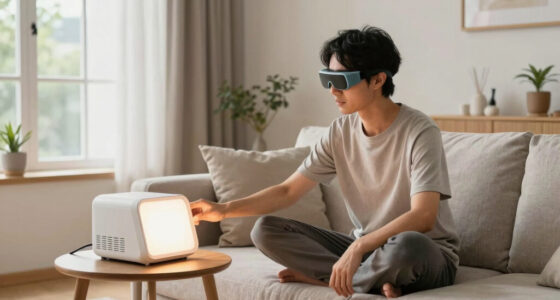
Eyes open, lamp slightly to one side — read or eat breakfast. Never stare directly into the light.
Listen & Adjust
Jittery or overly alert? Increase distance or shorten the session. Consistency beats brightness.
How Bright Is Too Bright? Risks of Overdoing It
Extended exposure or sitting too close can cause discomfort — and may even desensitize your circadian system over time, reducing therapy effectiveness. Recognize your personal limits.
New Frontiers in Light Therapy
Researchers now separate visual brightness from biological effect — and technology is making therapy smaller, smarter, and more personal.
Biological Brightness
Melanopic illuminance measures how light affects your circadian system — not just how bright it looks to your eyes.
Smaller, Cooler, Portable
LEDs enable compact, energy-efficient lamps. Light visors are emerging, though their dose and effectiveness still vary widely.
Timing Matched to You
Personalized schedules — therapy aligned to your own sleep-wake cycle — may soon become standard, improving results and cutting side effects.
What Does 10,000 Lux Actually Mean for Your Light Therapy?
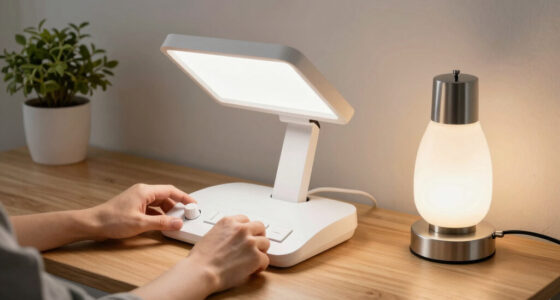
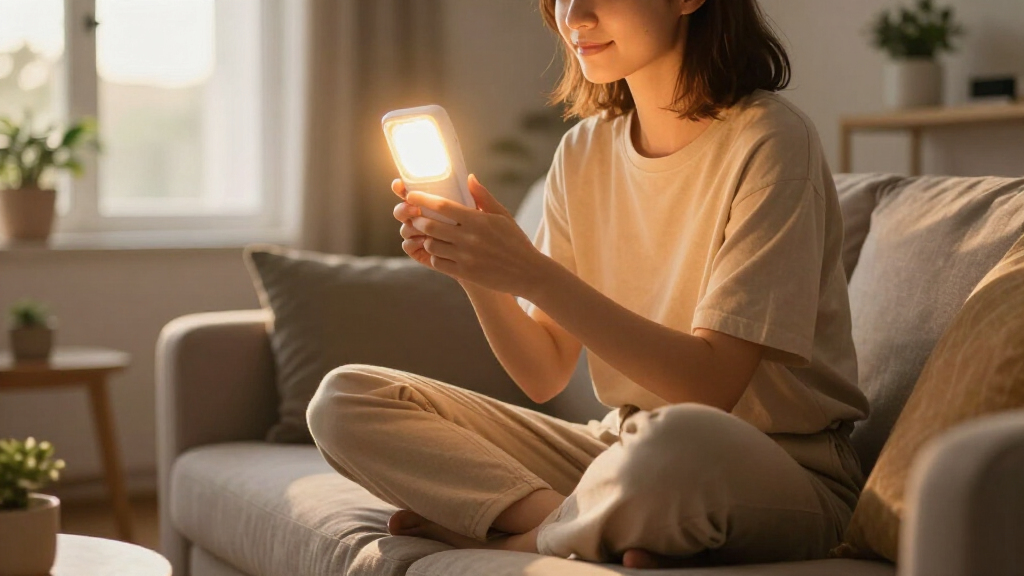
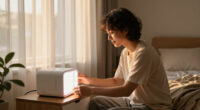
10,000 lux measures how much light hits your eyes when you sit at a specific distance from a SAD lamp. It’s like a spotlight focused right on your face, not the total brightness of the bulb.
Imagine standing 30 centimeters from a lamp. If it’s rated at 10,000 lux, that’s the amount of light reaching your eyes at that distance. Move a bit farther away, and the lux drops sharply — sometimes by half or more. This is why understanding the measuring distance is key.
If you’re trying to get consistent results, measure the lux at the distance you plan to sit during your session. Otherwise, you might think you’re using a 10,000-lux lamp, but your actual exposure could be much lower.
As an affiliate, we earn on qualifying purchases.
Why Does the Distance Matter So Much?
Distance is everything in light therapy. A lamp labeled at 10,000 lux only delivers that intensity when you sit within a certain range, often 20–40 centimeters.
Think of it like a garden hose: the closer you hold the nozzle, the more water hits your plants. Step back, and the flow diminishes. If you sit too far, your exposure might drop below effective levels.
For example, a small, tabletop SAD lamp might need you to sit very close, while a larger floor-standing model can give you a broader, more comfortable treatment area at the same lux rating.
Understanding this tradeoff is crucial because sitting too close can cause discomfort or eye strain, while sitting too far reduces the dose below therapeutic levels. Finding the right balance ensures you get effective treatment without unnecessary side effects.
light therapy lamp for winter blues
As an affiliate, we earn on qualifying purchases.
As an affiliate, we earn on qualifying purchases.
How to Know if Your Lamp Is Bright Enough (or Too Bright)
Most manufacturers specify the exact distance at which their lamp delivers 10,000 lux. Check that first. If it says you need to sit 30 centimeters away, stick to that.
To avoid eyestrain, headaches, or nausea, don’t sit closer than recommended. If you experience discomfort, increase the distance or shorten your session.
Remember: more isn’t always better. Extended exposure or sitting too close can cause jitteriness or sleep issues. Use the lamp as directed and listen to your body.
Choosing the right distance is a tradeoff between ensuring sufficient light exposure and avoiding overstimulation or discomfort. Properly calibrating your distance maximizes benefits while minimizing side effects such as headaches, eyestrain, or agitation, which can occur if the light is too intense or prolonged exposure is used.
As an affiliate, we earn on qualifying purchases.
Lux Is About Where the Light Hits — Not How Bright the Bulb Is
A bulb can emit tons of lumens, but if the light doesn’t reach your eyes effectively, your actual lux — the measure of light at your face — stays low.
For example, a bright living room light might have 800 lumens but deliver only a few lux at your eyes if it’s far away or blocked by furniture. Conversely, a specialized SAD lamp might have fewer lumens but deliver 10,000 lux because it’s designed to focus that light directly toward your face.
So, don’t assume a higher lumen count means more effective therapy. It’s about how concentrated the light is where it counts — your eyes. This concentration depends on design factors like reflector quality and focus, which determine how well the light is directed and how much actually reaches your eyes. The implication is that a well-designed lamp with fewer lumens can outperform a brighter, poorly focused one, emphasizing the importance of how light is delivered rather than just emitted.
As an affiliate, we earn on qualifying purchases.
Color Temperature and UV: What Really Matters for Safety and Effectiveness
Color temperature, measured in kelvins, indicates if the light looks warm or cool but doesn’t impact treatment strength. Most SAD therapy lamps use broad-spectrum white light around 4,000–6,500 K.
Ultraviolet (UV) light isn’t needed for mood or circadian benefits. In fact, reputable lamps filter out UV to protect your eyes and skin.
Choosing a lamp with proper UV filtering and a color temperature that’s comfortable helps ensure safe, effective therapy without unwanted side effects like eye irritation.
Timing and Duration: When and How Long to Use Your Light Box
The classic advice: sit in front of your lamp for 20–30 minutes each morning, shortly after waking. Morning exposure helps reset your circadian rhythm for the day ahead.
Using it later can delay your sleep cycle, making insomnia worse. But everyone’s schedule and response are different. Some people notice energy boosts within days; others take a week or more.
If you feel jittery or overly alert, try increasing the distance or shortening your session. Consistency and timing are more important than maximum brightness.
It’s also vital to recognize that the timing of your light exposure can influence your sleep-wromotion and mood. For example, evening exposure to bright light can delay sleep onset and disrupt circadian rhythms, negating the benefits of morning therapy. Therefore, aligning your light therapy schedule with your natural sleep-wake cycle maximizes benefits and minimizes side effects.
How Bright Is Too Bright? Risks of Overdoing It
More light isn’t always better. Sitting too close or extending your session beyond recommended times can cause headaches, eyestrain, or even irritability.
Some people report feeling wired or having trouble sleeping if they expose themselves to bright light late in the day.
Start with the standard 20–30 minutes and adjust based on how you feel. If discomfort persists, consult a health professional and consider tweaking your distance or timing.
Overexposure to bright light can also desensitize your eyes or circadian system, potentially decreasing overall sensitivity to light over time. This can diminish therapy effectiveness and lead to dependency on higher light doses, which increases the risk of side effects. Recognizing your personal limits and listening to your body’s signals are crucial in maintaining a safe and effective treatment routine.
What’s New in Light Therapy? Advances You Should Know
Researchers now distinguish between visual brightness and biological effects. Measures like melanopic illuminance focus on how light influences your circadian system, not just how bright it looks.
LED technology has made smaller, cooler, more energy-efficient lamps possible. Wearable devices like light visors are emerging, but their dose and effectiveness vary.
Personalized timing—matching therapy to your sleep schedule—may soon become standard, improving results and reducing side effects.
Safety First: What to Watch Out For
Bright-light therapy is generally safe but not for everyone. If you have eye issues, bipolar disorder, or photosensitivity, consult a professional before starting.
People prone to mania or hypomania should be cautious, as bright light can trigger mood swings.
Always use UV-filtered lamps and follow manufacturer instructions. If you notice worsening mood, headaches, or sleep problems, stop and seek advice.
Common Questions About 10,000 Lux and Light Therapy
- Does 10,000 lux mean the lamp always produces that intensity? No. It’s how bright the light is at a specific distance. Check the recommended sitting distance for accurate use.
- How close should I sit? Use the manufacturer’s specified distance, usually 20–30 centimeters, to get the full 10,000 lux dose.
- Do I stare directly into the lamp? Not necessary. Keep your eyes open and exposed indirectly. Staring into it isn’t recommended and can cause discomfort.
Frequently Asked Questions
Can I use a regular household lamp for light therapy?
No. Household lamps are not designed to deliver the controlled, high-intensity light needed for therapy. They lack the proper spectrum and focus, so they won’t provide the same benefits and may cause eye strain or fatigue.
How often should I replace my SAD lamp?
Most lamps last around 5 years with proper care. Check for flickering, dimming, or color changes. If the lamp no longer delivers the specified lux at the recommended distance, it’s time for a replacement.
Is it safe to use light therapy while working or doing chores?
Yes, as long as the lamp is positioned correctly and you’re not staring directly into it. Sitting nearby while reading or eating allows you to get the dose without discomfort. Avoid multitasking if the light causes strain or distraction.
Can I use a light therapy lamp if I have eye issues?
If you have eye conditions or recent eye surgery, consult an eye care professional before use. Proper UV filtering and correct distance are essential for safety.
Conclusion
Understanding what 10,000 lux really measures helps you get the most out of your light therapy. It’s not just a number — it’s a guide to how close, how long, and when to use your lamp for calming, energizing effects.
Think of it as tuning a musical instrument. When you get the distance and timing right, your body resonates with the right amount of light — bright, safe, and effective.
Evergreen bestsellers Picks
bestsellers
As an affiliate, we earn on qualifying purchases.