
TL;DR

Get wellness gear delivered free with Prime
- Fast, free delivery on millions of items
- Prime Video, Amazon Music and more included
- Member-only deals all year
Dawn simulators mimic sunrise to help you wake up more naturally during dark winter mornings. They improve mood and alertness but can’t fully replace natural sunlight or treat sleep issues. Using them consistently and choosing the right features makes a real difference.
Winter mornings can feel like waking up in a cave. Darkness, cold, and a sluggish start make it tempting to hit snooze again and again. But what if a small device could make waking up feel a little brighter, a little easier?
That’s where dawn simulators come in. These devices mimic the gradual glow of sunrise, helping your body wake up more naturally—even on the darkest winter mornings. But they’re not magic. Understanding what they can and can’t do helps you decide if one belongs in your sleep routine.
Dawn simulators are effective at easing winter mornings by mimicking sunrise, especially when used consistently.
They can’t fully replace natural sunlight, particularly in the blue spectrum vital for alertness and mood.
Choosing a device with adjustable brightness, spectrum quality, and smart features makes a big difference.
Pairing dawn simulators with good sleep routines and daytime light exposure boosts their effectiveness.
It takes time—often a couple of weeks—to notice a real difference in waking up feeling refreshed.
Dawn Simulators for Winter Mornings: What They Can and Can’t Do
A gradual bedside glow can make dark mornings feel less abrupt, support alertness, and reinforce your sleep-wake rhythm. It is a useful biological cue—not bottled sunshine, a sleep cure, or a replacement for daytime light.
A gentler bridge from sleep to wakefulness
A dawn simulator slowly brightens the room before your target wake time. Light reaching the eyes signals that morning is approaching, allowing your brain and body to begin the transition before an alarm demands it.
Softer starts
Gradual illumination reduces the contrast between a dark bedroom and sudden waking. For many people, that feels calmer and less disorienting than an alarm alone.
Mood and alertness
Simulated sunrise may help reduce morning grogginess and improve early-day mood, particularly when winter darkness delays natural light exposure.
Rhythm reinforcement
Used at the same time each day, the light becomes a repeatable wake signal that can support a more stable sleep-wake routine.
Helpful device. Incomplete sunrise.
The simulator is strongest as an environmental cue. Natural daylight is brighter, spectrally richer, and linked to broader daytime effects that a warm bedside LED cannot fully reproduce.
What it can do
- Ease the transition out of darkness
- Support morning alertness and mood
- Reinforce a consistent waking schedule
- Combine light with gentle sound cues
What it cannot do
- Replicate the full spectrum and intensity of daylight
- Guarantee waking for deep sleepers
- Correct noise, temperature, stress, or sleep debt
- Diagnose or treat an underlying sleep disorder
| Capability | Dawn simulator | Natural daylight | Standard alarm |
|---|---|---|---|
| Gradual wake cue | ✓Designed for it | ✓Naturally gradual | ✗Usually abrupt |
| Full-spectrum exposure | ~Model dependent | ✓Broad and complex | ✗No light benefit |
| Reliable wake signal | ~Varies by sleeper | ~Season dependent | ✓Strong sound cue |
| Winter schedule control | ✓Fully programmable | ✗Set by season | ✓Fully programmable |
| SAD-specific treatment | ~Supportive only | ~May be beneficial | ✗Not therapeutic |
Think signal strength, not artificial sunshine
These relative bars show the practical gap between a bedside dawn cue and outdoor daylight. The “30%” figure reflects a possible improvement in morning mood and alertness—not 30% of sunlight’s physical intensity.
Conceptual comparison based on the supplied research summary. Actual performance varies with device spectrum, measured lux at eye level, placement, season, sleep timing, and individual sensitivity.
Five features that change the experience
The best device is not simply the brightest one. Look for useful light at your sleeping position, a flexible ramp, tolerable color, and controls you will actually use every morning.
Brightness
Seek adjustable output, ideally reaching around 300 lux or more at a practical distance.
Spectrum
Broad-spectrum options with cooler wavelengths may provide a stronger alerting cue.
Timing
Choose a flexible 15–60 minute ramp so you can tune the sunrise to your response.
Sound
A gentle backup alarm can add certainty for deep sleepers without losing the softer start.
Smart control
Apps, voice control, and schedules make consistent routines easier to maintain.
How the morning cue travels
The device does not “push” you awake by itself. It creates a sequence of signals, and each link is influenced by placement, timing, sleep depth, and routine.
Build a routine around the lamp
Consistency is the multiplier. Pair the simulator with stable sleep timing, a backup cue if necessary, and real daylight after waking.
The bottom line: use it as one layer, not the whole solution.
A dawn simulator can make winter waking calmer and may improve early-morning mood and alertness. It cannot replace outdoor daylight, erase sleep debt, or treat a sleep disorder. The strongest setup combines correct placement, a gradual 30–60 minute ramp, consistent timing, healthy sleep habits, and daytime light exposure.
Light cue + routine + daylightHow Dawn Simulators Brighten Your Mornings and When They Fall Short
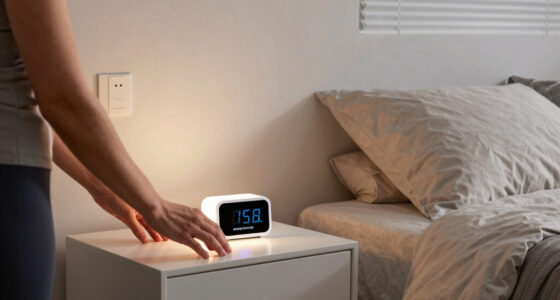
Dawn simulators are designed to gradually increase light in your room, signaling to your brain that it’s time to wake up. Imagine a soft, golden sunrise slowly filling your bedroom—no harsh alarm needed.
They can make mornings feel less jarring, especially during winter when natural light is scarce. But here’s the catch: they can’t fully replace natural sunlight’s full spectrum or provide the same energizing boost.
For example, if you set a dawn simulator to start 30 minutes before your usual alarm, you’ll notice your eyes adjust more gently. But if you’re deeply asleep or have a sleep disorder, the light alone might not pull you out of bed.
Furthermore, while they help ease the transition from sleep to wakefulness, they do not influence other critical factors like temperature, noise, or overall sleep quality, which also affect how refreshed you feel upon waking. This means that relying solely on a dawn simulator without good sleep hygiene may limit its effectiveness.
dawn simulator sunrise alarm clock
As an affiliate, we earn on qualifying purchases.
As an affiliate, we earn on qualifying purchases.
What Dawn Simulators Do Well During Dark Winter Mornings
- Soft, Gradual Wake-Up: Instead of a jarring alarm, a gentle glow nudges you awake calmly. This gradual increase in light can help your body adjust more naturally to waking, which is especially beneficial during the dark winter months when abrupt alarms can cause stress or disorientation.
- Boosts Mood and Alertness: Exposure to simulated sunrise can stimulate the production of serotonin and help regulate your circadian rhythm, leading to improved mood and alertness. This is particularly important in winter, when reduced sunlight often correlates with Seasonal Affective Disorder (SAD). By mimicking natural light patterns, dawn simulators can serve as a non-invasive way to help lift your spirits.
- Supports Circadian Rhythm: Consistent use reinforces your body’s internal clock, making it easier to wake up feeling refreshed over time. This is because your body learns to associate the gradual increase in light with wake-up time, leading to more synchronized sleep-wake cycles, which can reduce morning grogginess and improve overall sleep quality.
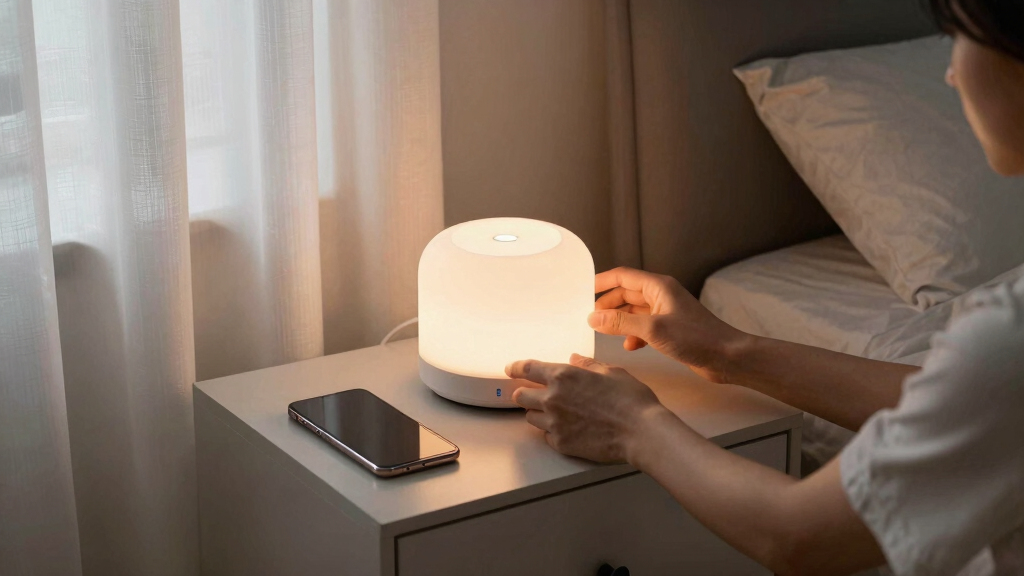
Picture waking up to a warm, amber light that slowly brightens, filling your room with a sense of calm—less of that morning fog and more of a gentle transition from sleep to wakefulness. This process not only makes mornings more pleasant but can also influence your mood and energy levels throughout the day, as your body responds positively to consistent, naturalistic cues.
winter wake-up light therapy device
As an affiliate, we earn on qualifying purchases.
As an affiliate, we earn on qualifying purchases.
Why Dawn Simulators Can’t Fully Replace Natural Sunlight
Natural sunlight is a full-spectrum light, rich in blue and UV rays, which helps regulate your body’s internal clock and triggers specific physiological responses—like the suppression of melatonin and activation of alertness-related hormones. Dawn simulators, even the best ones, usually provide broad-spectrum or LED lights that lack the complexity of natural sunlight.
For example, a typical dawn simulator might emit a warm yellow or soft white light, but it often lacks the blue wavelengths that are critical for daytime alertness and mood regulation. This incomplete spectrum means that, although helpful, dawn simulators mainly serve as a cue rather than a complete substitute for outdoor sunlight.
Research indicates that exposure to full-spectrum light, especially blue-enriched light, enhances alertness, cognitive function, and mood more effectively than standard dawn simulation. Without this blue component, users might notice only a partial benefit, which can be frustrating if they rely on the device for significant mood or energy improvements. Therefore, while dawn simulators are a valuable tool, understanding their spectral limitations helps set realistic expectations and highlights the importance of supplementing them with outdoor light exposure whenever possible.
sunrise alarm clock with adjustable spectrum
As an affiliate, we earn on qualifying purchases.
As an affiliate, we earn on qualifying purchases.
Choosing the Right Dawn Simulator: 5 Features That Make a Difference
- Brightness Levels: Look for devices that offer adjustable brightness, ideally up to 300 lux or more, to mimic sunrise effectively. Higher lux levels generally translate to a more noticeable and natural awakening experience, but overly bright devices may cause discomfort or disrupt sleep if used improperly.
- Spectrum Quality: Prefer full-spectrum or broad-spectrum lights that include blue wavelengths. These are more effective in regulating your circadian rhythm and boosting alertness, especially during winter months when natural light is limited.
- Timing Control: Set start times from 15 to 60 minutes before your alarm, with a gradual increase in brightness. Flexible timing allows you to tailor the wake-up process to your schedule and personal preferences, making the experience more seamless and less abrupt.
- Sound Options: Some models include nature sounds or gentle alarms, which can enhance the wake-up experience by engaging multiple senses. Combining light with sound can reduce morning grogginess more effectively than light alone.
- Smart Features: Compatibility with apps or voice control allows for customization of routines, remote adjustments, and integration into smart home setups. These features add convenience and enable you to fine-tune your wake-up environment for maximum comfort and effectiveness.
Imagine waking up to a soft, natural glow that slowly intensifies, paired with birdsong or gentle chimes—your personal sunrise, tailored to your needs. Choosing a device with these features can significantly improve your morning experience by aligning the wake-up process with your preferences and biological rhythms.
smart dawn simulator with app control
As an affiliate, we earn on qualifying purchases.
As an affiliate, we earn on qualifying purchases.
How to Use a Dawn Simulator for Best Results During Winter
- Set it up in a strategic spot: Position it where it can cast light directly onto your face without obstruction. Ideally, place it on a bedside table or mount it at eye level to maximize the effectiveness of light exposure.
- Adjust brightness and timing: Start the light 30-45 minutes before your usual wake-up time, gradually increasing brightness. Experiment with different settings to find what feels most natural and least disruptive to your sleep cycle.
- Combine with good sleep habits: Maintain a consistent sleep schedule, avoid screens before bed, and create a relaxing pre-sleep routine. These practices enhance the benefits of the dawn simulation and promote restorative sleep.
- Use with other cues: Pair the light with a gentle sound or your favorite morning scent for a multi-sensory wake-up. Engaging multiple senses can reinforce the wake-up process and make mornings more pleasant.
- Be consistent: Use the simulator every morning during winter for best results—your body will learn to anticipate the light, leading to more natural awakening over time.
Picture yourself waking up naturally, the room glowing softly, and feeling ready to face the day, even when the sky outside remains stubbornly dark. Consistent use and proper placement can make this a reality, transforming your winter mornings from sluggish to serene.
What Do People Say? Real Experiences with Dawn Simulators in Winter
Many users notice they wake up feeling less groggy, more alert, and with a better mood—especially on gloomy mornings. One person shared that their sleep improved after a week of consistent use, feeling more energized during their morning commute. These personal stories highlight how the gradual light can influence not just wakefulness but also overall well-being.
However, some find that the light alone isn’t enough if they sleep very deeply or suffer from certain sleep disorders. For these individuals, the dawn simulator acts as a helpful cue but doesn’t address underlying issues like sleep fragmentation or insomnia. Combining a dawn simulator with good sleep hygiene—such as maintaining a regular schedule, avoiding caffeine late in the day, and creating a restful environment—can greatly enhance its effectiveness.
For instance, a shift worker who used it to wake up after late-night shifts reported feeling more refreshed and less sluggish, but still needed a backup alarm for peace of mind. This illustrates that while dawn simulators are beneficial, they are most effective when integrated into a comprehensive sleep and wake routine tailored to individual needs.
Final Tips for Making Dawn Simulators Work for You in Winter
- Start early: Set your device to begin 30-45 minutes before you want to wake up for a natural feel. Adjust timing based on your sleep habits and how gradually you want to wake.
- Keep it consistent: Using it every day helps your body adapt faster, making mornings smoother and more predictable, which is crucial during the darker months when natural cues are weaker.
- Combine with daylight exposure: Spend time outside or near windows during the day to boost your circadian rhythm and reinforce the light cues provided by your dawn simulator.
- Adjust seasonally: As days lengthen, tweak your settings to match the changing sunlight patterns, preventing your wake-up routine from becoming mismatched with natural light cycles.
- Be patient: It may take a week or two to notice a real difference, especially if you’re a heavy sleeper or have irregular sleep patterns. Consistency and patience are key to seeing benefits.
Imagine your bedroom bathed in a gentle glow every morning, easing you awake and setting a positive tone for the day ahead. With proper use and adjustments, dawn simulators can become a vital part of your winter routine, making mornings more manageable and even enjoyable.
Frequently Asked Questions
Do dawn simulators really help me wake up more easily in winter?
Yes, many people find they wake up feeling less groggy and more alert, especially during the darker months when natural light is limited. Consistent use enhances this effect.Can a dawn simulator replace my alarm clock?
It can serve as a gentle wake-up aid, but if you’re a deep sleeper or need certainty, using it alongside a traditional alarm is a good idea.Are dawn simulators effective for Seasonal Affective Disorder (SAD)?
They can help improve mood and energy, but full-spectrum light therapy remains more effective for SAD symptoms. Dawn simulators work best as part of a broader light exposure routine.What features should I prioritize when choosing a dawn simulator?
Look for adjustable brightness, full-spectrum or broad-spectrum light, customizable timing, sound options, and smart home compatibility for a personalized experience.Are dawn simulators safe for children or people with sleep disorders?
Generally safe, but consult a healthcare provider if used by children or individuals with specific health conditions. Always follow manufacturer guidelines for use.Conclusion
Think of a dawn simulator as a gentle nudge, not a magic fix. When winter drags on and mornings stay stubbornly dark, it’s a helpful tool—if used wisely.
Picture waking up to a soft glow instead of a jarring alarm, feeling more ready to face the day. That’s the simple beauty of a well-chosen dawn simulator—an easy way to brighten your mornings, one sunrise at a time.
Halloween Picks
halloween
As an affiliate, we earn on qualifying purchases.