TL;DR
Listen free for 30 days with Audible
Thousands of audiobooks and originals — cancel anytime.
Start your free trialAs an affiliate, we earn on qualifying purchases.
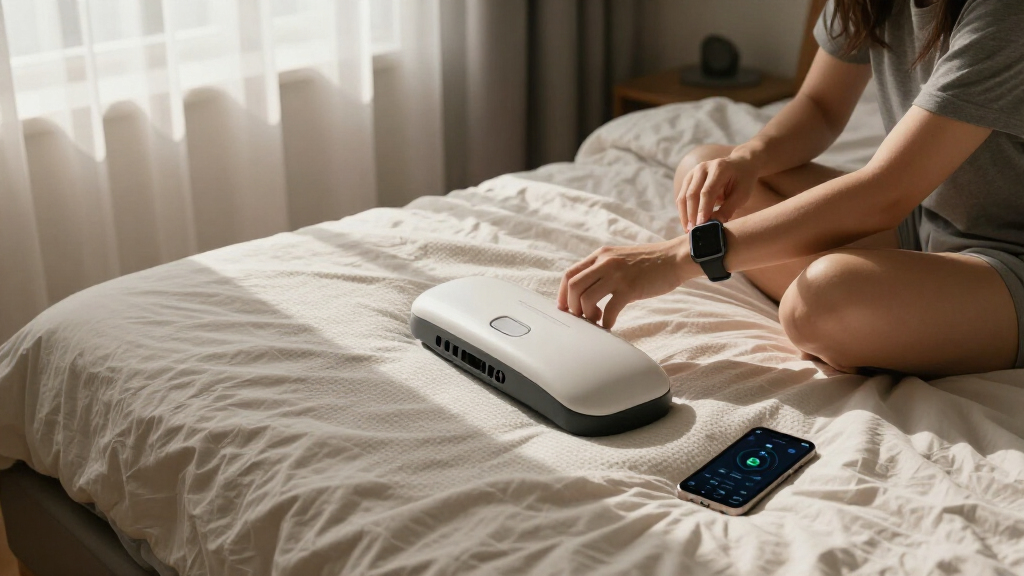
Smartwatch vibration alarms are discreet and portable but often less powerful. Dedicated bed shakers deliver stronger vibrations, ideal for deep sleepers or hearing-impaired users. Your choice depends on sleep habits and waking needs.
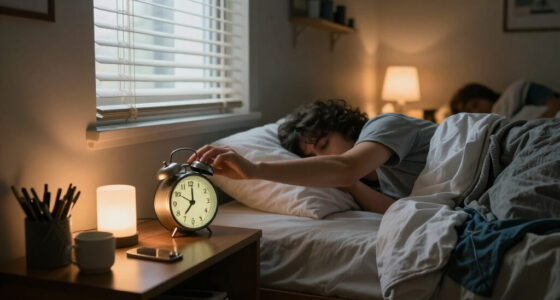
Imagine waking up in the morning—your bed gently vibrating, your partner still asleep, and you feeling ready to start the day. That’s the promise of vibration alarms: quiet, non-disruptive wake-ups that skip the loud buzzer or ringing phone.
But not all vibration devices are created equal. Whether you’re a heavy sleeper, a shift worker, or someone who simply needs a boost to wake up, understanding the differences can help you pick the right tool. You’ll learn how smartwatches and dedicated bed shakers compare—so you can wake up reliably, every time.
Vibration strength is the biggest factor—dedicated bed shakers generally deliver stronger, more reliable wake-up signals than smartwatches.
Smartwatches are more convenient and discreet but depend heavily on fit, charge, and software; they may fail for deep sleepers.
Placement matters—under a pillow for shakers or a snug wrist strap for smartwatches influences effectiveness.
Neither device replaces certified emergency alert systems; use them as supplementary wake-up tools only.
Test your device thoroughly in your sleep environment to ensure it reliably awakens you when needed.
Smartwatch Vibration Alarms vs. Dedicated Bed Shakers
Quiet, non-disruptive wake-ups skip the loud buzzer—but not all vibration devices are created equal. Whether you’re a heavy sleeper, a shift worker, or someone who simply needs a boost to wake up, here’s how the two compare so you can wake up reliably, every time.
How Strong Are the Vibrations?
Vibration strength is the biggest difference between the two. A smartwatch is like a tap on the wrist—soft, discreet, often enough for lighter sleepers. A dedicated bed shaker moves a wider sleeping surface with a rumble built to jolt even the deepest sleepers awake.
Why it matters: wake-up effectiveness hinges on overcoming sleep inertia. Weaker vibrations may only rouse you partially—leaving you groggy or snoozing through the alarm, especially under heavy bedding. Placement matters: a shaker under a thick mattress can feel weaker than one beneath a pillow.
Who Should Pick Which?
Your sleep habits and waking needs decide the winner. If you already own a smartwatch and wake up easily, it may be enough. If the stakes are high—early shifts, hearing impairment, or chronic oversleeping—a bed shaker often becomes essential.
Light & Moderate Sleepers
- Already owns and charges a watch regularly
- Wakes fairly easily
- Wants to avoid disturbing a partner
- Travels frequently — excellent portability
- Wants sleep tracking and wearable features
- Needs a discreet alarm for naps or shared rooms
Deep Sleepers & Hard of Hearing
- Deaf or hard of hearing
- Very deep sleeper; sleeps through wrist alarms
- Removes the watch overnight or finds it uncomfortable
- Wants fewer software dependencies
- Needs combined vibration + flashing light + sound alerts
- Wakes for critical shifts where failure isn’t an option
For especially difficult waking, some people use redundant methods—a bed shaker plus a light alarm, or an alarm placed away from the bed.
The Full Comparison
Nine factors, side by side. The highlighted column shows where bed shakers generally pull ahead: raw waking power and purpose-built reliability.
| Factor | Smartwatch Alarm | Dedicated Bed Shaker |
|---|---|---|
| Vibration strength | Mild to moderate, directly on the wrist | Usually much stronger, through pillow or mattress |
| Best suited to | Light–moderate sleepers, couples, travel | Deep sleepers, deaf / hard-of-hearing users |
| Reliability | Depends on fit, battery, software, settings | Purpose-built; mains power + battery backup |
| Portability | Excellent | Varies; compact travel models exist |
| Partner disturbance | Usually minimal | Can sometimes be felt or heard by a partner |
| Setup | Simple — the watch’s alarm app | Placement under pillow/mattress, sometimes clock hookup |
| Power | Must be charged regularly | Mains, battery, or rechargeable |
| Extra functions | Sleep tracking, fitness, notifications | Loud alarm, flashing light, phone/doorbell alerts |
| Cost profile | High as an alarm alone, but multifunctional | Often less expensive, optimized for waking |
Will It Wake You Every Time?
Smartwatches have many points of failure: loose bands, dead batteries, silent mode, sync glitches, or a watch charging on the nightstand instead of on your wrist. Bed shakers are built to do one thing—wake you—with fewer ways to go wrong.
Fit & Contact
Loose bands or a tucked-under-bedding wrist mute the signal; shakers keep contact via the pillow.
Power
Watch batteries deplete overnight; shakers often run mains with battery backup.
Software
Updates, silent modes, and sync issues can silence a watch. Test alarms with the phone disconnected.
Real-World Test
No device is 100%. Test thoroughly in your own sleep environment before relying on it.
Sleep-stage timing ≠ reliability
Many wearables promise to wake you in lighter sleep phases—but they estimate stages from movement and heart rate, indirect proxies for actual brain activity. If the alarm fires during deep sleep, a weak vibration may fail entirely, defeating the purpose. Prioritize strong, consistent vibration over clever timing.
Will It Disrupt Your Night?
Neither device improves sleep quality directly—they’re only wake-up signals. The comfort question comes down to what sits where: a strap on your wrist all night, or a puck under your pillow.
Overnight Watch Wear
- Tight straps, skin irritation, or sweating can fragment sleep
- Constant nudges disturb pressure-sensitive sleepers
- Habituation: you may tune out a repeated vibration pattern
Placement Sensitivity
- Under a pillow: intense, direct, often comfortable
- Under a thick mattress: softer, less effective
- Loose cables or incorrect placement weaken the signal
Before You Choose
Vibration strength is the biggest factor—dedicated bed shakers deliver stronger, more reliable wake-up signals than smartwatches.
Smartwatches are more convenient and discreet but depend heavily on fit, charge, and software; they may fail for deep sleepers.
Placement matters—under a pillow for shakers, a snug strap for smartwatches, directly influences effectiveness.
Neither replaces certified emergency alert systems—use both as supplementary wake-up tools only.
Test your device thoroughly in your own sleep environment to confirm it reliably wakes you when needed.
Consider redundancy—a shaker plus a light alarm or a distant backup alarm covers the hardest wake-ups.
How Strong Are the Vibrations? The Key to Waking Up
Vibration strength is the biggest difference between smartwatch alarms and bed shakers. Smartwatches produce gentle hums—just enough to rouse a light sleeper or someone used to waking with wrist buzzes. They’re like a tap on the wrist, soft but often enough if you’re a lighter sleeper.
In contrast, dedicated bed shakers pack a punch. They’re built to send a strong, jarring vibration through your pillow or mattress. Imagine a small, powerful motor inside a pillow that rumbles like a mini earthquake—designed to jolt even the deepest sleepers awake.
Why does this matter? Because the effectiveness of a wake-up device hinges on its ability to overcome sleep inertia—the grogginess and inertia that make it hard to wake up. Weaker vibrations might only rouse you partially, leaving you groggy or still sleepy, especially if you’re a deep sleeper or under heavy bedding. Stronger vibrations ensure a more immediate transition from sleep to wakefulness, reducing the risk of oversleeping or snoozing through your alarm. The tradeoff is that more powerful devices can sometimes be less comfortable or startling if not calibrated properly. Choosing the right vibration strength means balancing wake-up reliability with comfort and sleep quality.
As an affiliate, we earn on qualifying purchases.
Who Should Pick a Smartwatch or a Bed Shaker? Find Your Perfect Match
If you already own a smartwatch and wake up easily, it might be enough. Smartwatches are perfect for discreet alarms, travel, or avoiding disturbing your partner. They suit light to moderate sleepers who don’t need the extra push.
But if you’re a deep sleeper, deaf, or hard of hearing, a dedicated bed shaker often becomes essential. It’s more reliable when the stakes are high—like waking up for early shifts or emergency situations. The reason is that a bed shaker’s stronger vibrations are less susceptible to being muffled by bedding or environmental noise, making them more dependable in critical circumstances. Additionally, if you remove your watch overnight or find wrist vibrations unnoticeable, a bed shaker placed under your pillow can provide a direct, high-intensity signal. The tradeoff is that bed shakers may be less discreet and require more setup, but their reliability in ensuring you wake up can outweigh these inconveniences for those with significant waking challenges.
As an affiliate, we earn on qualifying purchases.
Vibration Reliability: Will It Wake You Every Time?
Smartwatches depend heavily on proper fit, battery life, and software settings. If the band is loose or the watch runs out of charge, the alarm fails. Sometimes, the watch’s silent mode or software glitches can mute the wake-up call. This variability can lead to unreliable wake-ups, particularly if you’re a heavy sleeper or if your sleep environment is noisy or disturbed.
Dedicated bed shakers are generally more dependable because they are designed solely for waking. They often connect directly to the power mains or have rechargeable batteries with backup options. Placement under the pillow or mattress ensures more consistent contact, regardless of wrist movement. Because they are purpose-built, they tend to have fewer points of failure—like software glitches—and are less affected by external factors. This makes them a more reliable choice for those who need a guaranteed wake-up, especially in situations where oversleeping can have serious consequences. The tradeoff is that even with high reliability, no device can guarantee 100% success; factors like placement, device quality, and individual sleep patterns still influence outcomes. Testing your device thoroughly in your sleep environment is essential to confirm it will wake you reliably.
As an affiliate, we earn on qualifying purchases.
Comfort and Sleep Quality: Will It Disrupt Your Night?
Wearing a smartwatch overnight can sometimes cause discomfort—tight straps, skin irritation, or sweating. If the band is too snug, it might disturb your sleep or cause skin issues over time. This discomfort can lead to fragmented sleep, especially if the device constantly nudges you or if you’re sensitive to pressure or friction.
Bed shakers avoid wearable discomfort. However, placement matters. Under a pillow, the vibration feels intense and direct—often more comfortable than wearing a device that causes skin irritation. But if placed under a heavy or thick mattress, the vibration may be softer and less effective. The tradeoff involves comfort versus effectiveness: some users prefer the gentle, non-intrusive wrist vibration, while others find a pillow-mounted shaker more reliable despite its less discreet nature. Neither device improves sleep quality directly; they only serve as signals to wake up. To minimize disruption, choose a device that provides just enough vibration to wake you without causing unnecessary disturbance or arousal during the night. Good sleep hygiene, such as comfortable bedding and proper device placement, enhances overall sleep quality and wakefulness.
As an affiliate, we earn on qualifying purchases.
Can a Smartwatch or Bed Shaker Use Sleep-Stage Timing to Wake You?
Many wearables promise to wake you during lighter sleep phases within a window. The idea? Waking up during light sleep reduces grogginess and makes mornings easier. However, the underlying technology estimates sleep stages based on movement and heart rate, which are indirect and imperfect indicators of actual brain activity—the gold standard for sleep staging.
This estimation can be inaccurate, leading to false alarms or waking you during deep sleep, which may cause grogginess and disorientation. The practical implication? Relying solely on sleep-stage timing can be unreliable, especially if your device’s algorithms are not precise or if your sleep patterns are irregular. The importance of vibration strength and reliability becomes paramount here—if the alarm activates during a deep sleep phase, a weak vibration might fail to wake you, defeating the purpose of sleep-stage targeting.
For most users, especially those who need a dependable wake-up, prioritizing a device with strong, consistent vibrations and reliable activation is more effective than depending on sleep-stage estimation. The tradeoff is that sleep-stage alarms are more complex and may require more fine-tuning or testing to ensure they work as intended.
Safety First: When Your Alarm Is Not an Emergency System
A consumer smartwatch or bed shaker isn’t a certified emergency alert. For people with hearing loss, relying solely on these devices for smoke, carbon monoxide, or severe weather alerts isn’t enough. They are designed primarily for wake-up purposes, not safety notifications.
In critical situations, certified systems that combine flashing lights, loud sirens, and bed vibrations are essential. These are tested and approved for safety and compliance, ensuring they meet the necessary standards for alerting you during emergencies. For example, a dedicated fire alarm with built-in vibration and flashing light ensures you get alert even if you’re deaf or sleeping deeply. Consumer devices lack these certifications and standardized performance metrics, meaning they may not activate reliably or at the necessary intensity during an emergency. They should only be considered supplementary tools. Relying solely on them for safety alerts can be risky—always have certified emergency systems in place for critical notifications.
Latest Trends: What’s New in Vibration Wake-up Tech?
Manufacturers are adding more options for customization: adjustable vibration patterns, longer battery life, and integration with sleep tracking apps. Some devices now respond to your sleep schedule, activating only during light sleep windows for smoother wake-ups. These innovations aim to personalize wake-up experiences, making them more comfortable and less disruptive.
Wireless connections are common—bed shakers now sync with smartphones or smart home systems, allowing multi-sensory alarms with light and sound. This integration can create a more immersive and reliable wake-up environment, reducing the chance of missing alarms due to device failure or misplacement.
Imagine setting an alarm that gently vibrates your pillow, flashes a nearby light, and plays a soft tone—all coordinated for a gentle, reliable wake-up experience. However, more complexity introduces potential failure points—such as connectivity issues, software glitches, or user error. It’s crucial to thoroughly test these features in your typical sleep environment before relying on them, as they may not perform consistently under all conditions.
Frequently Asked Questions
Will a smartwatch vibration wake a deep sleeper?
It might, but it’s less dependable than a dedicated bed shaker. Testing your smartwatch over several mornings gives a clearer picture of whether it’s strong enough to wake you consistently.Are bed shakers guaranteed to wake someone?
No. While they are generally more powerful than wrist alarms, no consumer device can promise 100% wake-up success for everyone under all conditions.Can a smartwatch wake me without disturbing my partner?
Usually. Wrist vibrations are discreet enough to avoid waking your partner, especially if you wear it on the opposite wrist or under blankets.Do bed shakers feel strong enough through thick mattresses?
Placement is key. Under a pillow or near the top of the mattress usually produces a stronger, more localized vibration than placing it beneath a thick or dense mattress. But even then, effectiveness can vary depending on mattress material and thickness. Testing in your sleep environment is essential to determine if the vibration is sufficient to wake you reliably through your specific bedding setup.Are vibrating alarms safe for everyone?
For most people, yes. But those with skin sensitivities, implanted medical devices, or specific health concerns should consult their healthcare provider before frequent use. Excessive or prolonged vibrations might cause skin irritation or interfere with medical implants, so caution and consultation are advised.Conclusion
Choosing between a smartwatch vibration alarm and a dedicated bed shaker boils down to your sleep style and waking needs. If you’re a light sleeper or need a guarantee, a bed shaker often outperforms wrist vibrations in strength and consistency.
But don’t forget—no device is perfect. Combining methods, like a bed shaker plus a visual alert, can cover more ground. The key is testing and knowing your own sleep quirks.
Wake up ready, every morning, with the right tool in hand—and remember, your best alarm is the one that reliably wakes you, without fuss or frustration.
Summer Picks
summer essentials
As an affiliate, we earn on qualifying purchases.