TL;DR
Blackout window film blocks nearly 100% of light directly at the glass, making it more effective and versatile than fabric curtains. It’s renter-friendly, easy to clean, and ideal for odd-shaped or humid rooms, but less flexible for daily opening and décor. For total darkness and easy removal, stick-on film wins hands down.
Picture waking up at dawn, feeling like midnight. Or trying to sleep through a late-night streetlamp glare. You want total darkness—no gaps, no leaks, no hassle. That’s where blackout window film shines. It’s a simple, effective way to turn any room into a dark retreat. But is it always better than fabric curtains? Not quite. Today, you’ll see why sometimes, the clear stick-on solution outshines fabric, especially in tricky spaces or for renters. We’ll explore the strengths, limits, and best ways to use this often-overlooked sleep aid.
Blackout Window Film: When Stick-On Beats Fabric
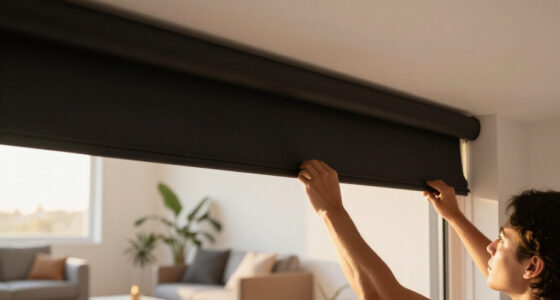
Blackout film seals light at the glass instead of trying to catch it after it enters. For shift workers, renters, home theaters, awkward windows, and humid rooms, that difference can turn sunrise into midnight—without rods, drilling, bulky folds, or glowing edges.
Full-pane coverage eliminates the edge leaks that create a curtain’s familiar halo effect.
Curtains open in seconds. Film stays opaque until it is peeled away or removed.
Opaque film stops light directly at the pane.
Quality products also help protect interiors from fading.
Often enough material for multiple small windows.
Per window, commonly before rods and hardware.
Seven situations where fabric cannot match the seal
The core advantage is physical: film covers the light source itself. Its other strengths follow from being thin, washable, cut-to-fit, and hardware-free.
Total light seal
No gaps at the top, edges, or between panels. Precise trimming creates the consistent darkness needed for daytime sleep and projection rooms.
No drilling
Static-cling film uses water instead of glue. It peels away without brackets, wall holes, or the security-deposit anxiety of permanent hardware.
Fits odd windows
Cut around arches, circles, skylights, transoms, sidelights, RV windows, and tiny basement panes where conventional rods make little sense.
Wipes clean
Bathrooms and kitchens expose fabric to humidity, grease, mildew, and odors. Smooth film needs a wipe—not a wash cycle.
Lower entry cost
A $10–$40 roll can cover several panes. Quality curtains may cost $30–$100 or more for each window, before mounting hardware.
Zero bulk
No rods, folds, floor-length panels, or clearance requirements—useful in dorms, campers, compact rooms, and minimalist interiors.
Exterior uniformity
Dual-tone film places black toward the room and white toward the street. The outward face looks neutral, reflects more sunlight, and can reduce HOA or shared-building appearance concerns.
Film owns darkness. Fabric owns flexibility.
Neither treatment wins every category. The right choice depends on whether your priority is a permanent light seal, a furnished look, or daily control.
| Decision factor | Blackout film | Blackout curtains | Film + curtains |
|---|---|---|---|
| Edge-to-edge darkness | ✓ Best Blocks at the glass |
✗ Variable Edges often glow |
✓ Best Double-layer seal |
| Open for daylight | ✗ Limited Remove to uncover |
✓ Best Open in seconds |
~ Partial Only curtains move |
| Rental installation | ✓ Best Static cling, no holes |
~ Depends Rod may need mounting |
~ Depends Hardware still needed |
| Odd-shaped glass | ✓ Best Cut to exact shape |
✗ Weak Hard to fit cleanly |
✓ Strong Film handles geometry |
| Décor and softness | ✗ Utilitarian Minimal visual texture |
✓ Best Color, texture, finish |
✓ Best Performance plus style |
| Sound and insulation | ~ Modest Limited thermal mass |
✓ Strong Heavy fabric dampens |
✓ Strongest Layered treatment |
| Humidity and grease | ✓ Best Non-absorbent surface |
✗ Weak Can retain moisture |
~ Mixed Fabric still exposed |
Use film as the functional blackout layer and curtains as the movable decorative layer. The film eliminates leakage; the fabric adds softness, sound absorption, insulation, and a quick way to visually reveal the window area—even though the glass remains covered.
More darkness per dollar
Film’s advantage is clearest when the goal is pure light control rather than furnishing the room.
Relative strength by use case
Film can cover more than one pane for less.
Curtain pricing is commonly per window and may exclude rods, brackets, rings, or professional installation.
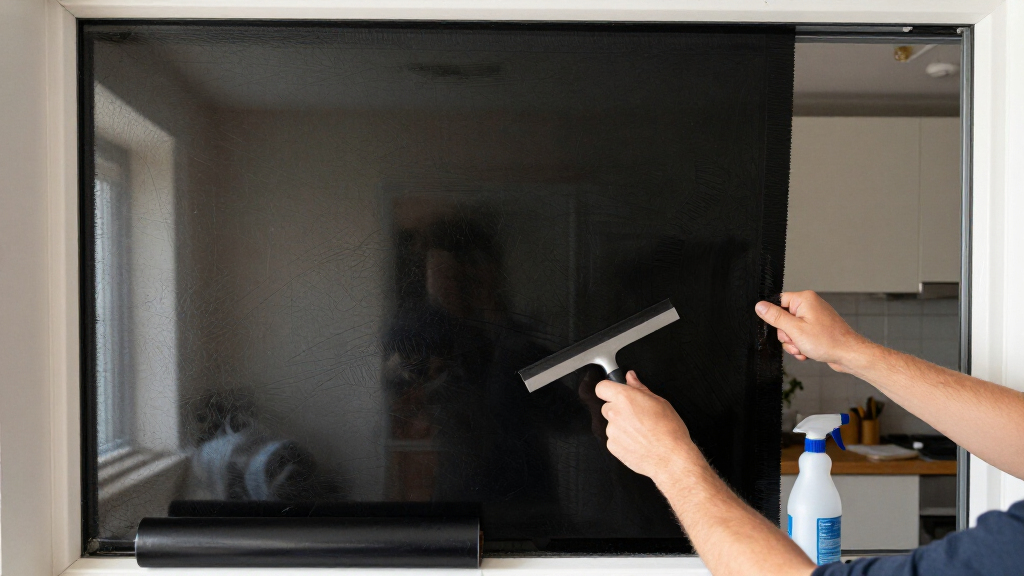
Seven steps to a leak-free finish
Dust, trapped air, and imprecise trimming are the usual causes of bubbles and glowing edges. Patience is part of the blackout system.
Clean
Remove dust, grease, residue, and lint from smooth glass.
Measure
Check every edge; frames are not always perfectly square.
Cut
Leave the film slightly larger than the visible pane.
Spray
Wet the glass and film liberally with mild soapy water.
Place
Start at one edge and slide into exact alignment.
Squeegee
Push water and air outward from the center.
Trim
Cut tight to the frame, then allow the film to settle.
Every exposed millimeter becomes a light leak. Use a sharp blade and a firm straight edge; a credit card wrapped in a soft cloth can substitute for a squeegee.
The dealbreakers—and the smarter new options
Film is simple, but glass type and solar exposure matter. Check product instructions and the window manufacturer’s warranty before application.
Do not treat every pane the same.
Dark film can absorb heat in intense sunlight. On some double-glazed, laminated, coated, or already-damaged windows, uneven heating may increase thermal stress.
- Static cling needs smooth glass; it will not fully grip textured, frosted, or patterned surfaces.
- Check compatibility with insulated glass units and manufacturer warranties.
- Prefer a white-outward or dual-tone product on strongly sunlit windows.
- Do not cover cracked panes or glass with known edge damage.
- Choose curtains when you need daylight or ventilation control several times a day.
Removable and reusable
Water-activated, glue-free film can be repositioned during installation and peeled away without adhesive residue.
Black inside, white outside
The lighter exterior face reflects more sunlight, moderates heat absorption, and presents a uniform street-facing appearance.
Pattern without light leaks
Frosted-opaque and patterned products narrow the style gap while maintaining full visual privacy day and night.
Choose by the behavior you need
The decisive question is not “Which looks better?” It is “Must this window remain totally dark, or must it change throughout the day?”
Darkness first
- You sleep during daylight hours.
- The window is arched, circular, small, or overhead.
- You rent and cannot drill.
- The room is humid, greasy, or very compact.
- You need privacy in both directions, day and night.
Flexibility first
- You open and close the window covering daily.
- Texture, color, and a furnished look are priorities.
- You want stronger insulation and sound damping.
- Minor light leakage is acceptable.
- The room needs fast daylight and ventilation access.
No compromise
- Film handles the edge-to-edge light seal.
- Curtains soften the room visually.
- Heavy fabric adds insulation and acoustic control.
- The layered treatment suits nurseries and theaters.
- You get performance without the bare-film look.
Why Blackout Window Film Blocks Light Better Than Curtains
The main reason film beats fabric for darkness is simple: it covers the entire glass surface, sealing out every ray. Curtains tend to leak light around the edges, creating a halo effect that ruins total darkness. Imagine a bedroom with blackout curtains, but tiny gaps let in the early morning sun—annoying, right? Blackout film, applied directly on the glass, blocks 100% of visible light at the source. So, even if the sun rises behind your house, your room stays pitch black.
For instance, a shift worker trying to sleep during the day finds film essential. It seals off every crack, delivering a true blackout environment. According to research from An Alarm Clock, quality blackout film can block nearly 100% of light, making it a reliable choice for rest or home theater setups.
Understanding this difference matters because light leaks can significantly impair sleep quality, especially for those sensitive to light. The tradeoff is that while curtains can be easily opened for daylight or ventilation, they inherently allow some light to seep through, which can be a problem if you need complete darkness at all times. Blackout film, by sealing the entire window, ensures no light escapes, but at the expense of flexibility—once applied, it’s not as easy to open or adjust without removing it.
As an affiliate, we earn on qualifying purchases.
Top 7 Reasons Stick-On Blackout Film Wins for Your Windows
- Total Light Seal: No gaps at the edges. Light can’t sneak in. This is crucial for ensuring consistent darkness, especially in bedrooms or home theaters where even minor leaks can be disruptive.
- Renter-Friendly: No drilling, no damage, peel-and-stick removal. This reduces the risk of losing deposits or damaging walls, making it an ideal solution for temporary setups or rental properties.
- Fits Odd Spaces: Arched, circular, or skylight windows become easy to blackout. The flexibility of film means you can customize coverage, which is often impossible with standard curtains that don’t conform to irregular shapes.
- Resists Humidity & Grease: Perfect for bathrooms and kitchens—just wipe clean. Unlike fabric, which can absorb moisture and harbor mold or odors, film maintains its integrity and hygiene, extending its usefulness in humid environments.
- Cost-Effective: Rolls cost $10–$40, covering multiple windows, versus $50+ for curtains per window. This affordability allows for larger or multiple window treatments without breaking the bank.
- Space-Saving: No bulky hardware or rods needed. This is especially advantageous in small rooms or minimalist designs where space is limited.
- Exterior Uniformity: Dual-tone films blend seamlessly from street view, reducing HOA issues. This aesthetic advantage can enhance curb appeal or maintain neighborhood harmony, especially in shared housing or condos.
As an affiliate, we earn on qualifying purchases.
Where Fabric Still Holds Its Ground
Fabric curtains aren’t obsolete—far from it. They bring a soft, cozy look, add insulation, and open and close with ease. For example, a parent might prefer blackout curtains in a nursery for both blackout and decor. Curtains also dampen sound, helping create quiet, restful spaces. Plus, with various textures and colors, they add style that film can’t match.
Many find that combining both works best: film for total darkness, curtains for flexibility and aesthetic appeal. Think of it like a layered approach—film seals out the light, while curtains provide visual warmth and ease of use. This hybrid strategy allows you to enjoy the benefits of both: the complete blackout capability of film and the decorative, functional flexibility of curtains. It’s about balancing your needs for privacy, aesthetics, and practical use—sometimes, a combination offers the optimal solution.
As an affiliate, we earn on qualifying purchases.
Recent Innovations Making Stick-On Film Even Smarter
Static-cling blackout films have become the go-to for DIYers and renters. They’re removable, reusable, and residue-free, thanks to improved formulations. Dual-tone (black on one side, white on the other) films reflect sunlight outward, reducing heat buildup and matching exterior aesthetics. Decorative blackout films now come in frosted or patterned styles, combining blackout performance with design.
These advancements are significant because they expand the versatility and usability of blackout films. The ability to remove and reposition without damage makes them ideal for renters or those who frequently change their decor. Moreover, dual-tone films not only improve energy efficiency by reflecting heat but also help prevent window glass from overheating, which can cause thermal stress or damage. Decorative options add aesthetic value, enabling users to customize their spaces without sacrificing functionality. Overall, these innovations make blackout film a smarter, more adaptable choice for modern homes.
As an affiliate, we earn on qualifying purchases.
What You Need to Know Before Applying Blackout Film
Blackout film is highly effective, but there are some key safety and installation tips. The film works best on smooth, clean glass. Textured or frosted glass won’t give full contact, leading to leaks or bubbles. Applying the film with plenty of soapy water and a squeegee prevents air pockets. Precise trimming is crucial—any gaps let light sneak through.
Be aware of thermal stress: dark films can heat up in direct sunlight, potentially causing glass issues or voiding warranties on double-glazed windows. Using white or dual-tone films helps mitigate this risk by reflecting some sunlight and reducing heat absorption. This consideration is important because overheating can lead to glass stress, cracking, or warping, especially in hot climates. Following manufacturer instructions and safety warnings ensures proper application and prevents damage, helping you get the most out of your investment while maintaining window integrity.
How to Get the Perfect Look with Blackout Film
- Clean the window thoroughly—no dust, grease, or residue.
- Measure carefully and cut the film slightly larger than the glass.
- Spray the window and the film with soapy water liberally.
- Apply the film starting from one edge, smoothing out bubbles as you go.
- Use a squeegee or credit card to press out water and air.
- Trim excess film along the frame for a tight fit.
- Allow it to dry and settle. Done!
This process ensures a smooth, bubble-free finish that seals out all light leaks. Patience and careful handling are key—rushing or applying in a hurry can lead to imperfections or trapped air, which compromise the blackout’s effectiveness and appearance. Taking your time to get a precise, bubble-free application results in a cleaner look and more reliable light blocking.
The Dealbreaker: When Not to Use Blackout Film
Blackout film isn’t a miracle cure for every window. If your windows are textured, frosted, or patterned, the film won’t stick tightly, leaving gaps that compromise darkness. It’s also not suitable for double-pane windows in direct sunlight—dark films can cause uneven heating, which may lead to stress cracks or even breakage. Always check your window manufacturer’s advice before applying to avoid voiding warranties or causing damage.
In humid bathrooms or kitchens, poor application or low-quality film may peel or bubble over time. Additionally, if you love opening your windows daily for fresh air, film isn’t a practical substitute for curtains or blinds, which are designed for easy adjustment. Knowing when not to use blackout film helps prevent frustration and potential damage, ensuring you choose the right solution for your specific window type and environment.
Key Takeaways: Make Your Darkness Perfect
- Blackout film seals out nearly all light at the source, making it the most effective blackout method.
- Static cling films are perfect for renters and DIYers—easy to remove and reposition.
- Edges matter: precise trimming and smoothing prevent leaks.
- Be mindful of window type and material—film works best on smooth glass.
- Use dual-tone or white films to reduce heat issues and improve exterior look.
Frequently Asked Questions
Does blackout film really block 100% of light?
Yes, quality blackout window film blocks nearly all light through the glass itself. Any remaining light usually leaks in around the edges or gaps if not trimmed carefully. It’s the most complete way to darken a room directly at the source.Can I reuse static cling blackout film?
Absolutely. Static cling films are designed to be removable and reusable. You can peel them off, clean the glass, and reapply as needed—perfect for renters or seasonal adjustments. Just be gentle during removal to avoid tearing.Will applying film damage my windows or void the warranty?
High-quality film generally won’t damage your windows if applied and removed properly. However, dark films placed on sun-exposed double-glazed windows can cause uneven heating, which might risk glass stress or void warranties—check your window manufacturer’s advice before applying.Can I cut blackout film to fit irregular or rounded windows?
Yes. Use a sharp utility knife and a template to cut the film to fit arches, circles, or irregular shapes. This flexibility is one reason many prefer film over fabric curtains for unique window designs.How do I maintain and clean blackout film?
Wipe gently with a soft cloth and mild soapy water. Avoid abrasives or ammonia-based cleaners, which can damage the surface. Regular cleaning keeps the film clear and effective for years.Conclusion
Blackout window film offers a no-fuss, effective way to block light—especially in tricky spaces or for renters. Its ability to seal out every ray at the glass makes it a smart choice for anyone serious about sleep, privacy, or home theater quality. Remember: a clean, precise application turns a good blackout into a perfect dark retreat.
Think of it as a clear, simple tool that, when used right, transforms your room into a true night anytime you want. Bright mornings or late-night shifts—your space, your darkness, your rules.