
TL;DR

Get wellness gear delivered free with Prime
- Fast, free delivery on millions of items
- Prime Video, Amazon Music and more included
- Member-only deals all year
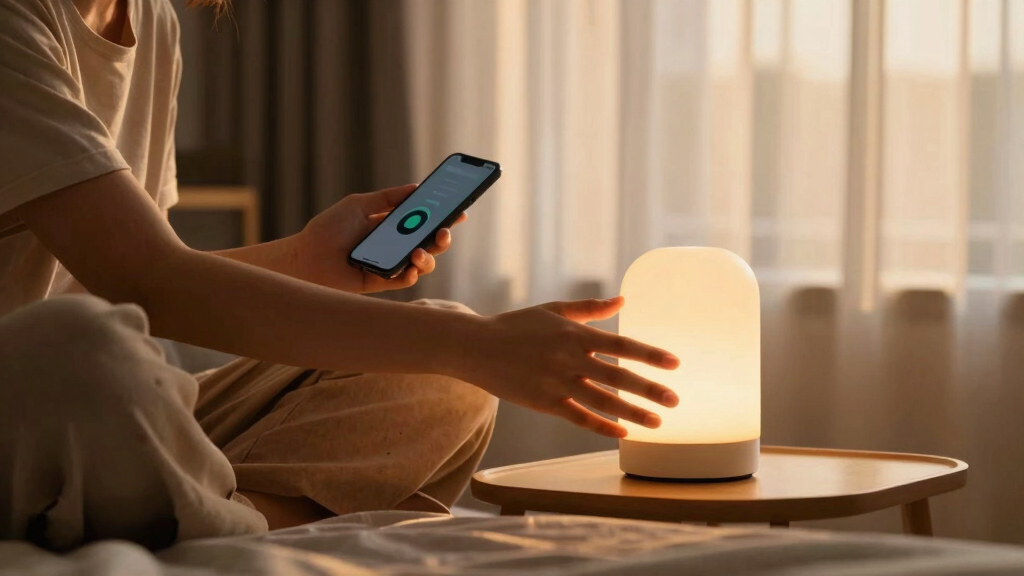
A dusk fade is the gradual dimming of light before sleep, aligning with your body’s natural rhythms. Using warm, low light during this phase can help you fall asleep faster and more peacefully. Modern smart lighting makes it easy to automate this calming routine.
Imagine the rich, amber glow of a sunset slowly fading into darkness, signaling your body it’s time to unwind. That’s the essence of a dusk fade — a gentle transition from bright to dim light, designed to prepare your mind and body for sleep. It’s a simple shift, but one that taps into your natural circadian rhythm, making falling asleep feel a little easier.
In this guide, you’ll learn what a dusk fade really is, why it works, and how to incorporate it into your nightly routine. Whether you’re already using smart lighting or just want to try something new, understanding the power of dimming light can transform your evenings—and your sleep.
What Is a Dusk Fade? Falling Asleep to Dimming Light
A dusk fade is a gentle transition from bright light to a warm, low glow before bed. By recreating the visual rhythm of sunset, it gives your brain a clear signal to unwind, support melatonin production, and prepare for sleep.
Shorter sleep-onset time has been associated with reducing bright light exposure before bed and shifting toward dim, warm light.
Sunset, recreated indoors
Instead of switching from a bright room to total darkness, a dusk fade lowers brightness and warms the light in stages. The result is a softer boundary between activity and sleep.
Brightness falls
Lights gradually move from normal evening brightness toward roughly 10–20%, avoiding the alerting jolt of bright overhead light.
The glow warms
Cool white light gives way to amber or soft orange tones around 2200K–2700K, closer to firelight and sunset.
Your brain gets the cue
Lower, warmer light reduces the daytime signal, helping the body shift from alertness toward its natural nighttime state.
Light is a timing signal
Bright, blue-enriched light resembles daytime and can suppress melatonin. Dim, warm light sends the opposite message: activity is ending and sleep is approaching.
Relative bedtime signals
Conceptual comparison: bright, cool light sustains alertness; a warm dusk fade strengthens the environmental cue for rest.
Build a calmer light environment
The ideal setup combines warm colour temperature, low brightness, gradual change, and limited screen exposure. The table shows how common evening choices compare.
| Evening light | Colour range | Brightness | Sleep cue | Verdict |
|---|---|---|---|---|
| Warm bedside lamp | 2200K–2700K | 10–20% | Strong wind-down signal | ✓ Best fit |
| Smart bulb dusk scene | Warm shift over time | 100% → 10% | Gradual and consistent | ✓ Ideal |
| Standard dimmable lamp | Fixed warm white | Manually lowered | Helpful with routine | ~ Good |
| Bright overhead light | 3000K–4000K | High | Maintains alertness | ✗ Avoid |
| Phone or tablet screen | Blue-enriched | Close to eyes | Can disrupt the fade | ✗ Limit |
Set it once. Let dusk arrive nightly.
Smart bulbs, app-controlled dimmers, and sunset simulation lamps can make the transition automatic. Schedule the routine around your actual bedtime, not the clock alone.
Choose
Select a dimmable warm bulb, smart lighting system, or sunset simulation lamp.
Schedule
Begin the routine about 30 minutes before your usual sleep time.
Program
Fade over 15–30 minutes while shifting toward 2200K–2700K.
Repeat
Use the pattern consistently so your brain learns the recurring cue.
A predictable 9:30 pm fade
Her living-room bulb moves from full brightness to 10% over 20 minutes while she drinks tea and reads, creating a reliable boundary between family time and sleep.
Dusk for an irregular schedule
A sunset lamp fades over 30 minutes before each planned sleep period, giving a shift worker a consistent indoor cue when natural evening light is out of sync.
Turn dimming into a ritual
Lighting works best as part of a wider wind-down routine. Pair the fade with quiet, repeatable behaviours and remove competing signals that tell your brain to stay awake.
What Exactly Is a Dusk Fade and Why Should You Care?
A dusk fade is the gradual dimming of light in your environment, mimicking the natural sunset or twilight. Imagine you’re reading in your living room as the sun sets outside. Instead of turning off all your lights abruptly, you start lowering the brightness slowly, and shift the color to warmer tones like amber or soft orange. Over 15 to 30 minutes, the room becomes dimmer and warmer, creating a calming atmosphere. This is similar to how the sky darkens naturally, signaling to your body that it’s time to relax.
This gentle change tells your brain, “Hey, it’s time to relax.” As a result, your body produces more melatonin, the hormone that helps you fall asleep. Think of it like a cue from nature—just as a sunset signals bedtime for many animals, your lighting mimics this cue for your brain. For example, a person who uses a smart bulb set to gradually dim from 100% to 10% while changing color temperature from cool white to warm amber reports feeling more relaxed and falling asleep faster than with abrupt lighting changes. When you simulate these natural cues, you reinforce your body’s sleep signals, leading to more restful nights.
As an affiliate, we earn on qualifying purchases.
How Dimming Light Before Bed Boosts Your Sleep — The Science in a Nutshell
Ever wonder why it’s easier to sleep in a dimly lit room? Imagine you’re preparing for bed after a long day. If you turn on bright overhead lights or blue-rich screens, your brain perceives this as daytime, suppressing melatonin—the hormone that promotes sleep. Conversely, if you dim the lights to a warm, low level, it’s like signaling to your brain that night is approaching. For instance, a person who switches from bright white light to a soft orange glow 30 minutes before bed often reports falling asleep 15 minutes faster than usual.
Research from sleep science shows that reducing light exposure 30 to 60 minutes before sleep can cut down sleep onset time by about 20%. Think of it like a dimmer switch on your environment—gradually turning down the brightness helps your body prepare for rest. If you’ve ever experienced difficulty falling asleep after using your phone in bright light, you know how disruptive blue light can be. Conversely, creating a warm, dim environment supports melatonin production, making it easier to drift off. The key is the physiological response: your body recognizes the dim, warm environment as a cue that it’s time to sleep, leading to better sleep efficiency.
As an affiliate, we earn on qualifying purchases.
The Best Lights and Settings for a Calm Dusk Fade
Choosing the right lighting is key. Think of it like setting the scene for a peaceful evening. For a true dusk fade, use warm-colored lights around 2200K–2700K, similar to the glow of a sunset. Imagine you’re preparing your bedroom for sleep: a lamp with a dimmable feature set to a warm hue helps create a cozy environment. For example, a bedside lamp dimmed slowly from 100% to 10% over 20 minutes, shifting from cool white to amber, can significantly signal your brain to relax.
Why does color temperature matter? Cooler lights (above 4000K), which emit more blue light, can keep your brain alert, like midday sun. Warm lights (2200K–2700K), emit less blue light, supporting melatonin production. For instance, a person replacing their bright overhead light with a smart bulb set to 2300K and dimmed gradually reports feeling sleepier and falling asleep more quickly. The tradeoff is that if you choose lights that are too dim or too warm, you might not get enough contrast to signal the transition effectively. Conversely, overly bright or cool lights can hinder the process. Practical tips include setting smart bulbs to about 10–20% brightness with a warm color, or using dimmable lamps that you lower gradually over 15–30 minutes. This creates a relaxing environment that encourages your body to wind down naturally.
automatic dusk fade lighting system
As an affiliate, we earn on qualifying purchases.
As an affiliate, we earn on qualifying purchases.
How to Automate Your Dusk Fade — Easy Step-By-Step Setup
Automation makes a dusk fade effortless. Think of it like setting a nightly routine for your lights. Here’s a simple 3-step process:
- Choose your smart lighting system — like Philips Hue, LIFX, or a compatible app-controlled dimmer.
- Set a schedule — plan the dimming to start 30 minutes before your usual bedtime, just like setting an alarm for winding down.
- Adjust the fade pattern — select warm color temperatures and set gradual dimming over 15–30 minutes, similar to how the sunset gradually darkens.
For example, Sarah, a busy mom, uses her smart bulb to start dimming from 100% to 10% over 20 minutes at 9:30 pm. This routine signals her body that it’s time to relax, helping her unwind from the day. Another example is James, who works irregular shifts. He uses a sunset simulation lamp that mimics dusk, helping his internal clock recognize sleep cues even when natural evening light is inconsistent. Automating your lighting routines ensures consistency, which is key to reinforcing your body’s natural sleep signals. Just make sure your schedule aligns with your bedtime—if it starts too early or too late, it might disrupt your sleep cycle.
As an affiliate, we earn on qualifying purchases.
Real-Life Scenarios: How People Use Dusk Fades in Their Bedtime Routines
Meet Sarah, a busy mom who loves winding down with a glass of herbal tea. She has a smart bulb in her living room set to a warm, dim glow starting at 9:30 pm, gradually fading over 20 minutes. As her lights dim, she feels her body relaxing, and her mind shifting away from daily stresses. This slow transition helps her fall asleep faster and enjoy more restful nights. Similarly, James, a shift worker, uses a sunset simulation lamp that mimics dusk, which helps his body recognize sleep cues even when outside conditions are out of sync with natural sunset times. For example, he sets the lamp to gradually dim from 100% to 10% over 30 minutes starting at 10 pm, aiding his sleep schedule. These scenarios show how customizing your dusk fade to fit your lifestyle can improve sleep quality by creating a consistent and calming environment, even if your daily routine varies. The key is the gradual change—sudden bright lights or abrupt changes can interfere with your sleep signals, so planning ahead makes a real difference.
Quick Tips to Make Your Dusk Fade Even More Relaxing
- Use warm, amber tones instead of harsh white or blue lights.
- Start your fade 15–30 minutes before bed.
- Pair dimming with calming sounds or gentle background music.
- Limit screen exposure during the fade to avoid blue light interference.
- Make your environment cozy—add soft blankets or a favorite bedtime book.
Key Takeaways: How a Dusk Fade Can Boost Your Sleep
- A dusk fade mimics natural sunset, signaling to your brain that it’s time to wind down.
- Warm, low-intensity lighting enhances melatonin production, helping you fall asleep faster.
- Automating the dimming process simplifies your bedtime routine and ensures consistency.
- Choosing the right color temperature (2200K–2700K) creates a calming atmosphere.
- Pairing dusk fade with other relaxing habits can significantly improve sleep quality.
Frequently Asked Questions
Can I use natural light for a dusk fade?
Yes, if your room has windows, opening curtains gradually or lowering blinds can simulate natural dusk. For example, you might start closing your curtains about 30 minutes before bed, allowing the fading daylight to signal your body to prepare for sleep. This method leverages the environment’s natural cues, making it an effective and free way to support your sleep routine without relying on electronic devices. The tradeoff is that it offers less control over timing and consistency, especially on cloudy days or in rooms with multiple windows. Nonetheless, combining natural light adjustments with other dimming practices can enhance your overall sleep environment.
How long should I let the lights dim before bed?
Most sleep experts recommend 15–30 minutes of gradual dimming to allow your body to fully transition into relaxation mode. For instance, start dimming your lights about 20 minutes before your usual bedtime, gradually lowering brightness and shifting to warmer tones. Shorter durations might not be enough to trigger the hormonal responses needed, while longer periods could delay your sleep if you’re already feeling sleepy. Adjust based on your personal rhythm—if you find it takes longer to unwind, extend the dimming time; if you’re ready sooner, start the process closer to your bedtime. The key is consistency and observing how your body responds.
Is a dusk fade suitable for kids or seniors?
Absolutely. Gentle, warm lighting can help children and seniors relax more easily, especially since their circadian rhythms can be more sensitive or irregular. For children, a dusk fade can establish a calming bedtime routine and reduce bedtime resistance—imagine dimming their nightlight gradually from bright to soft amber as part of their nightly ritual. For seniors, it can ease the transition from activity to rest, particularly if they are sensitive to abrupt light changes or have visual impairments. For example, a senior using a smart lamp set to gradually dim from 100% to 10% over 30 minutes can experience a smoother transition into sleep. The main consideration is to ensure the dimming is gradual and safe—avoid flickering or overly dim lights that could cause discomfort or confusion.
Can I combine dusk fade with other sleep habits?
Yes. Pairing a dusk fade with habits like limiting screen time, practicing relaxation techniques such as deep breathing, or enjoying warm, caffeine-free beverages can amplify its benefits. For example, after dimming the lights, you might read a calming book or listen to gentle music. The combination of environmental cues and behavioral routines creates a comprehensive approach to sleep hygiene. The tradeoff is that if these habits aren’t coordinated—for instance, if you scroll on your phone late into the night—they can undermine the effects of the dusk fade. Therefore, planning your pre-sleep routine thoughtfully enhances overall sleep quality and consistency.
Conclusion
Think of a dusk fade as your personal sunset, gently guiding your body into restful mode. It’s a simple shift, but one that can make falling asleep feel more natural and peaceful. As you watch the amber glow fade into darkness, remember—your sleep routine is your nightly gift of calm and restoration.
Why not give it a try tonight? Set your lights to dim slowly and see how your body responds. Sometimes, the smallest changes lead to the deepest rest.
Columbus Day / Indigenous Peoples' Day Picks
long weekend sales
As an affiliate, we earn on qualifying purchases.